What Campus Reviews Reveal
The Beijing Institute of Technology (BIT) holds a QS ranking of 259 and a Google rating of 4.3 from 66 reviews, indicating a generally positive reputation tempered by specific complaints. Student and visitor feedback highlights both the university’s academic strengths and serious concerns about campus life.
One 5‑star reviewer, Dariusz Prokopowicz, wrote: “The Beijing Institute of Technology (BIT), anchored at the vibrant intersection of Zhongguancun Street, is widely regarded in my professional and technical circles as a cornerstone of engineering ingenuity that continues to redefine the frontiers of modern technology.” This aligns with BIT’s strong engineering focus, but the review is more about institutional reputation than the student housing experience.
A contrasting 1‑star review from lee mt raises red flags for anyone considering on‑campus accommodation: “First, the dorm fees are exorbitant, yet the heating system in winter is utterly ineffective—the indoor temperature feels even colder than outside. What’s equally disappointing is the unprofessional attitude of the dorm management staff, particularly the dorm supervisor who acts friendly on the surf…” The review cuts off, but the clear message is that the quality of on‑campus housing does not match the cost. Given that BIT is located in Beijing, where winters are cold and dry, inadequate heating is a serious issue.
Another 1‑star review by Z Xu reports an incident at the Zhuhai campus: “You can’t believe that multiple staff members at Beijing Institute of Technology Zhuhai campus were seen killing a cat in public. The act sparked outrage among students and online communities. The university has yet to issue a formal response.” While this concerns a different campus (BIT has a Zhuhai branch), it reflects broader concerns about campus management and student welfare.
A short 5‑star review from JM simply says: “I visited it once for my friend’s graduation ceremony.” This offers no insight into housing, but it shows occasional positive impressions from visitors.
What this means for housing decisions: The reviews suggest that relying solely on on‑campus dorms may lead to dissatisfaction, especially regarding cost and facilities. Off‑campus housing, properly vetted, could provide better value for money. Students should prioritise verified rental agreements and inspect heating systems before signing any contract.
City Context – Beijing’s Haidian District
BIT’s main campus is located at 5 Zhongguancun Street, Haidian District, a zone dense with universities and technology companies. Haidian is often called Beijing’s “university town”, hosting institutions like Peking University and Tsinghua University nearby. The area benefits from extensive public transport, including subway lines 4, 10, and 13, as well as numerous bus routes.
The neighbourhood around BIT – Zhongguancun – is the city’s tech hub. Many students and graduates work in nearby offices or research parks. This concentration of population means a wide range of housing options, from traditional hutongs to modern apartment towers. However, demand is high, particularly around the start of the academic year (September), and prices reflect the central location and convenience.
For international students, Haidian offers many amenities: supermarkets, food courts, bookstores, and clinics. English signage is common on major roads but less so in smaller residential alleys. The district has a well‑connected police presence and generally safe streets, but petty theft (especially of bicycles) can occur.
Climate consideration: Beijing’s winters are dry and cold, with temperatures often below freezing from December to February. As lee mt’s review indicates, effective heating is not guaranteed in older or poorly managed dormitories. When searching for off‑campus flats, check whether the heating is centralised (common in newer buildings) or whether the unit has its own thermostat.
Budget Bands for Student Housing
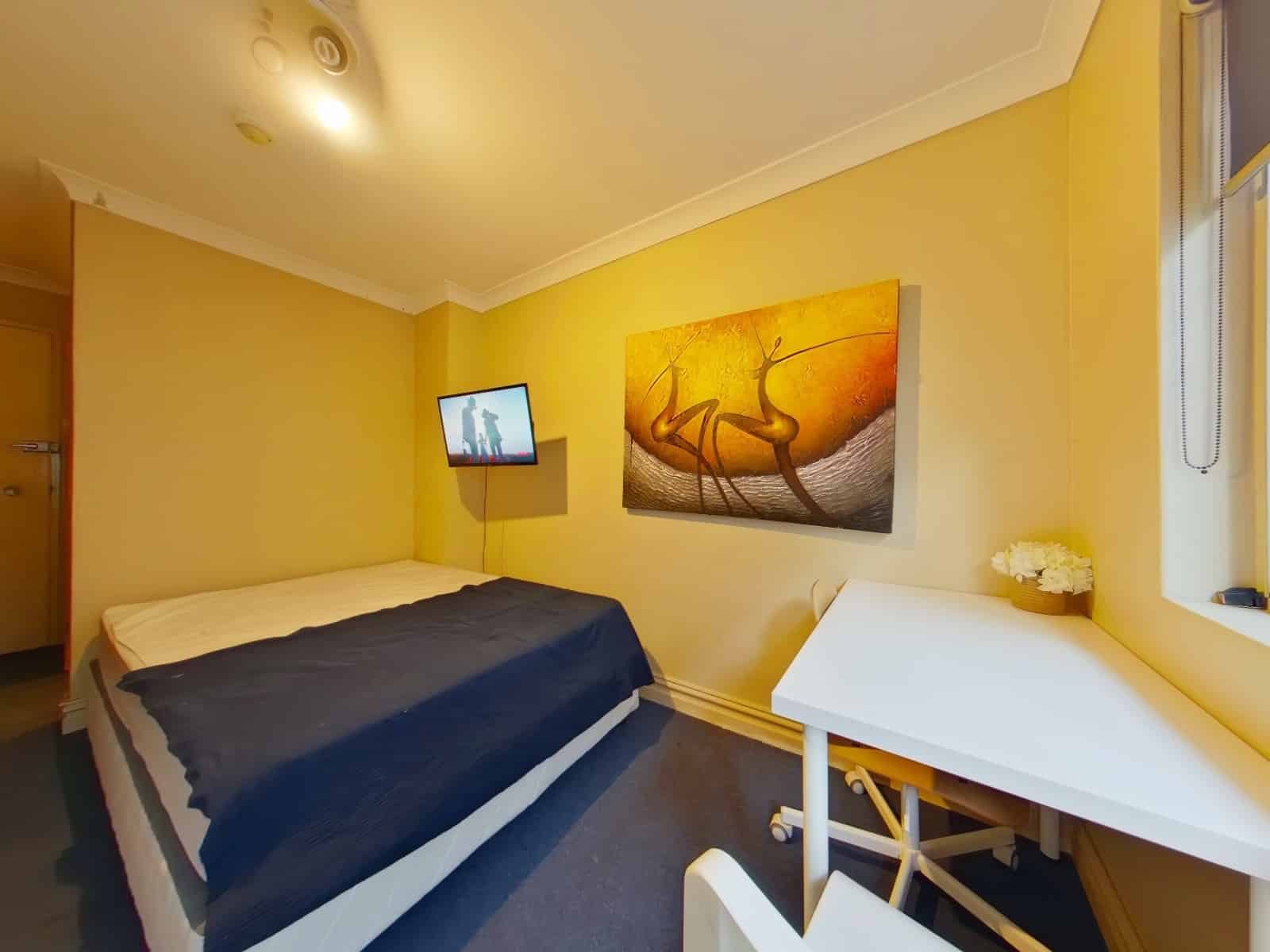
No specific price data is available from the supplied dataset. However, general patterns in Haidian can guide budget planning. All figures below are indicative — confirm with the operator before committing.
Entry‑level budget
This typically covers shared rooms in older apartment buildings (often with no lift) or partitioned flats (“隔断间”). These units may have limited privacy and shared bathrooms. Heating and water quality vary. Students on this budget should physically inspect the property and talk to current tenants.
Mid‑range budget
Private studios or one‑bedroom flats in older but well‑maintained buildings, or shared flats (2–3 people) in newer complexes with basic amenities (elevator, 24‑hour security, reliable heating). Many fall into this band, which offers a balance between cost and comfort.
Premium budget
Furnished serviced apartments or high‑end complexes near Zhongguancun, often with gyms, concierge, and Western‑style kitchens. These properties are closer to the campus but command a significant premium.
The exact figure for each band depends on distance from BIT, floor level, and negotiation. Because Haidian is a popular area, rents tend to rise year‑on‑year. Students should allow at least 1–2 months of search time and consider using a rental agent (agency fee typically equals one month’s rent) to avoid scams.
Walk vs Transit Trade‑off
BIT’s main teaching buildings are concentrated near Zhongguancun Street. Living within a 15‑minute walking radius (roughly 1 kilometre) offers the ultimate convenience: you can roll out of bed and make it to class without relying on Beijing’s sometimes crowded subway. This zone includes older residential compounds like those along Weigongcun Road and the lanes around BIT South Gate.
However, the premium for walking distance can be substantial. For students on a tighter budget, living a 20‑ to 30‑minute subway ride away – for example, further north along Line 4 towards Anheqiao, or east towards Wudaokou – can significantly lower rent. The Beijing subway is frequent and relatively inexpensive (around 3–6 CNY per trip, with discounts for stored value cards). The trade‑off is extra time and occasional delays (especially during holiday rushes).
Walking advantages:
- Zero commuting cost
- Ability to return to campus easily for evening study sessions or events
- Less exposure to weather extremes (though you still face outdoor cold for a few minutes)
Transit advantages:
- Much wider selection of housing types and price points
- Ability to live in quieter residential neighbourhoods away from university hustle
- Access to different food and shopping districts along the subway line
Note that BIT has multiple gates; the west and south gates are most commonly used. Check which gate your classes are near – the Zhongguancun campus is compact, but some departments are in buildings that are closer to certain entrances.
Shortlist Logic for Choosing Accommodation
Without a list of specific nearby residences, the shortlist logic must be based on the five factors that matter most to BIT students, as inferred from the reviews and city context:
- Heating reliability – Given lee mt’s complaint, this must be the top check. Ask the landlord to turn on the heating during an inspection (if in winter) or to provide evidence from the previous winter.
- Management professionalism – The same review criticised dorm staff and supervisors. For off‑campus housing, read online reviews (if available) or speak to current tenants about the property management company’s responsiveness.
- Distance to campus – Use real walking time, not straight‑line distance. Zhongguancun Street can be congested; if your apartment is on a parallel street, the walk may be 10 minutes longer due to traffic lights.
- Security and legality – Ensure the landlord has proper rental permits. In Beijing, some sublets operate without registration, which can lead to problems with local police or housing authorities.
- Lease flexibility – Student schedules often change (e.g., semester abroad, early graduation). Look for landlords who allow month‑to‑month rentals or who are willing to transfer the lease to another student.
Sample decision process:
- If your budget is limited and you can tolerate a 30‑minute subway ride, expand your search to outer Haidian (e.g., near Line 10 or Line 13).
- If you value saving time and have a mid‑range budget, target apartments within a 1‑km radius of BIT.
- Always conduct a physical inspection accompanied by a Chinese‑speaking friend if you are not fluent, and document all communications with the landlord.
Frequently Asked Questions
Q1: Is it better to live in university‑provided dorms or rent off‑campus?
Based on the reviews, on‑campus dorms may have issues with cost and heating reliability. Off‑campus housing offers more choice and control over conditions, but requires more effort in searching and negotiating. There is no single “better” option – it depends on your budget, tolerance for commuting, and willingness to handle rental procedures in Beijing. Always check recent tenant feedback for any specific dormitory building.
Q2: What are the typical rental prices near BIT?
Exact figures are not available from this dataset, and prices fluctuate seasonally. As a general indication (confirm with operator), shared rooms in older buildings start lower, while private studios in new high‑rises are higher. The most reliable approach is to browse current listings on local rental platforms (not listed here per guidelines) during the month before your intended move‑in date.
Q3: How can I avoid housing scams?
Never pay deposits or full rent before seeing the apartment in person and verifying the landlord’s identity (check their ID card against property ownership certificates). Use reputable agents affiliated with major real‑estate chains (avoid street‑side agents with no office). Ask for a written contract in both Chinese and English, and keep copies. If the deal seems too good to be true (e.g., extremely low rent for a prime location), it probably is a scam.
Data as of 2026.
Explore more: Browse all student housing guides