Housing Near Beirut Arab University: What Campus Reviews Reveal and How to Choose Your Student Home
Beirut Arab University (BAU) sits at the address VFFW+GMF, Arab University, Bayrut, Lebanon. It holds a 2025 QS World University ranking of 676 and a Google rating of 4.1 from 160 reviews. The campus is located in the Tarik El Jdideh / Arab University area of Beirut, a dense urban zone known for its mix of residential buildings and small businesses. For students looking for housing near BAU, understanding the realities of the campus environment and the city’s rental market is essential. Below we break down what student reviews reveal, provide city context, outline budget bands, compare walking versus transit, and offer a logic for shortlisting potential residences.
What Campus Reviews Reveal About Housing Needs
Student feedback on Google Reviews highlights several factors that directly affect where you should consider living. The following quotes are taken from the university’s Google Reviews page:
Positive experiences
- MOHAMMED ALMUKHTAR (5-star, 4 years ago): “I studied at this university from 2012 to 2016, it was a wonderful experience with respected and wonderful professors. I also made many good friends there. Then I came to Canada, but this university left in me a lot of love and peace. Thank you Beirut Arab University Thank you dear Beirut”
- Maysa Chkeir (5-star, a year ago): “I did my biology master’s, and now I am a PhD candidate. The professors are amazing, and everyone provides support. Through my PhD I gained alot of experience and information. The campus is very nice at debeih.”
Negative experiences
- Bob (1-star, 3 months ago): “One of the worst academic programs I have ever experienced. Compared to universities abroad, the entire structure feels absurd. The program forces students to take numerous unrelated courses that have nothing to do with their major. From my own experience, I was enrolled in the Faculty of Science, p”
- Hamza Hammoudi (2-star, a month ago): “No university parking, forced to pay for the so called ‘university parking’ owned by an unknown counterpart, extremely encumbered university to the point where we cannot find space to sit, get a hold of an electric socket, need to wait for a turn to use the water closet, have to even wait 15 minutes”
Key takeaways for housing decisions:
- Parking is scarce and costly. Hamza’s review mentions “no university parking” and a paid “university parking” run by a third party. If you drive, factor in additional monthly costs for off-street parking near the campus — or consider living close enough to walk.
- Campus congestion. The same reviewer mentions overcrowded facilities — no space to sit, queues for outlets and restrooms. This suggests that arriving early and being close to campus can reduce stress.
- Beirut campus vs. Debeih campus. Maysa Chkeir mentions “the campus is very nice at debeih.” BAU has multiple campuses — the main one in Beirut and another in Debeih (south of Beirut). Make sure you know which campus your classes are on before choosing housing. The reviews imply that the Debeih campus may be less crowded, but most reviews reference the Beirut location.
- Academic experience varies. Bob’s comment warns about curriculum structure, but Maysa and Mohammed praise professors and support. Your housing choice should leave you with enough time and energy to focus on studies regardless.
Beirut City Context: Housing Market Overview
Beirut is the capital of Lebanon and a city of high density, with a long history of residential construction. The housing market is influenced by Lebanon’s currency volatility (the Lebanese pound has experienced significant depreciation since 2019). Most rental prices are quoted in US dollars, but tenants often pay in local currency at the prevailing exchange rate. This means rents can change quickly, and it is common for landlords to request payment in USD cash.
- Short-term vs. long-term leases: Student housing in Beirut includes furnished apartments, shared flats (often called “shared apartments” or “student studios”), and a limited number of purpose-built student residences (which are rare near BAU). Most contracts are annual, but some landlords accept 9-month or semester-based leases for students.
- Utilities and TMA: Electricity is frequently rationed; many buildings rely on private generators. Ask whether the rent includes generator subscription fees (often called “ishtirak”) or if you need to pay separately. Water and internet are typically separate.
- Safety and convenience: The area around BAU (Tarik El Jdideh) is a working-class residential zone with many shops and eateries. It is generally safe during the day, but like any dense city, exercise caution at night. Livelier nightlife and cafes are found in Hamra and Mar Mikhaël, which are 15–30 minutes away by taxi.
Budget Bands for Student Housing (Indicative — Confirm with the Operator)
Because rental prices in Beirut are subject to rapid change and negotiation, the following bands are rough indicators for a single room in a shared apartment within walking distance of BAU. All figures are in US dollars per month, as of early 2026. Always verify current rates with landlords or letting agencies.
- Economy (shared room or basic single room): $150–$250. This typically means a room in an older building, shared bathroom, and a small shared kitchen. Expect limited natural light and possibly no generator backup during power cuts.
- Standard (decent single room in shared flat): $300–$450. A room with a window, shared bathroom with one or two flatmates, basic kitchen, and a building that has generator coverage for at least part of the day.
- Comfort (studio or private one-bedroom): $500–$700. A separate small apartment or a large studio with private bathroom and kitchenette. Usually includes a more reliable generator subscription and better building maintenance.
- Premium (furnished one-bedroom near campus): $800+. These are rare near BAU but available in nearby districts like Hamra. They come with modern furniture, consistent generator power, and sometimes water tanks.
Note: Most landlords require a deposit of one month’s rent plus agency fee (if involved). Negotiation is common, especially for longer leases.
Walk vs. Transit Trade-off
Walk (0–15 minutes on foot)
- Pros: Avoid parking fees and traffic. You can arrive at campus relaxed, easily go home between classes, and not worry about power cuts affecting public transport. Walking in Tarik El Jdideh is feasible along main roads, but some side streets lack sidewalks.
- Cons: Rent in the immediate vicinity (within 500 meters of BAU) tends to be slightly higher due to demand. The area can be noisy, especially near the university entrance. Also, the building quality varies — many older structures need renovation.
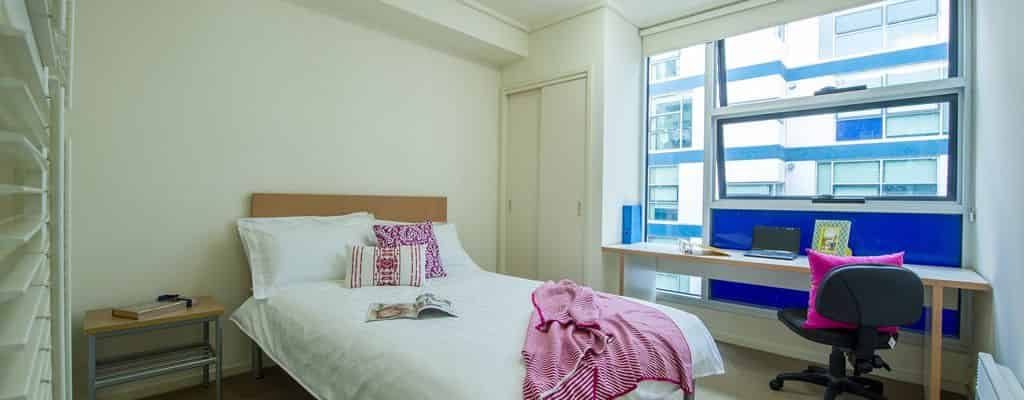
Transit (public transport, service taxis, or private buses)
- Public transport: Beirut has a limited public bus system (OCMT buses) and shared taxis called “services” — minibuses that run on fixed routes for a small fee (around $0.50–$1 per ride). A service from Hamra to BAU takes 15–20 minutes in moderate traffic.
- Private taxis / ride-hailing: Apps like Uber, Bolt, and Careem operate in Beirut. A trip from Hamra to BAU costs about $3–$5 one way during non-peak hours. Traffic in Beirut can be severe, especially during rush hours (8–10 AM and 4–7 PM), turning a 10-minute drive into 40 minutes.
- Pros: You can live in a more vibrant or quieter neighborhood with better amenities (e.g., Hamra has many cafes and bookstores; Mar Mikhaël has bars and restaurants). Rent may be lower in areas farther from the university.
- Cons: Daily transport costs add up ($50–$100 per month for taxis). Dependence on public transit can be unreliable due to power cuts affecting traffic lights and irregular bus schedules. The overcrowding mentioned in reviews (waiting for facilities) may be worsened if you arrive late due to commute.
Recommendation: For most students, a 10–20 minute walk is the sweet spot. This range typically keeps rents in the standard band and avoids both the noise of the immediate campus area and the commute hassle. If you prioritise a quieter, greener environment, consider living in the Hamra area and taking a service taxi — but budget an extra $40–$80 monthly for transport.
Shortlist Logic Using Given Nearby Residences
The data provided does not include a specific list of residences near BAU. Therefore, we cannot recommend by name any particular student housing or apartment building. However, you can apply the following logic to shortlist from the local listings you find on property portals or through word of mouth:
- Filter by walking distance. Set your search radius to 1 km from VFFW+GMF, Arab University (BAU’s main entrance). Use Google Maps or local apps (like OLX Lebanon real estate section) to identify available rooms or flats.
- Check for basic amenities. For any listing, ask about:
- Generator coverage (hours per day and cost).
- Water supply (building tank and municipal connection).
- Number of flatmates and shared bathroom ratio.
- Whether the room has a window and decent ventilation.
- Visit during peak hours. If possible, see the apartment at 8 AM or 4 PM to assess noise levels and street congestion.
- Prioritise proximity to grocery and food kiosks. The BAU area has many small supermarkets and bakeries, but not all streets are well-lit. Walk the route from the potential home to campus at night to gauge safety.
- Beware of “university parking” scams. Given Hamza’s warning about a third-party parking scheme, avoid paying for a parking spot advertised separately from the rental. If you need a car, look for buildings that include a private garage spot in the rent.
- Cross-reference with current student forums. Facebook groups like “BAU Students Union” or “For Rent in Beirut” can give you direct contacts from outgoing tenants.
Frequently Asked Questions
1. Does BAU provide on-campus student accommodation?
Beirut Arab University does not operate its own student dormitories on the Beirut campus. There are a few private “student residences” in the area (e.g., “Aleph Residence” or “Campus Residence” — but check carefully; they are commercial operators, not affiliated with BAU). Most students live in shared private apartments. For the Debeih campus, there may be limited housing options nearby; ask the admissions office for leads.
2. What is a reasonable rent for a single room near BAU in 2026?
Indicatively, a single room in a shared flat within a 15-minute walk from BAU will cost between $250 and $450 per month, depending on condition, utilities included, and floor level. Always confirm with the landlord whether generator charges and water are separate — this can add $30–$60 monthly.
3. How can I minimise the impact of parking and campus overcrowding if I live far away?
Plan your schedule so you arrive on campus at least 30 minutes before your first class — this gives you time to find a seat and use restrooms before the rush. Form a carpool with classmates and rent a private garage spot nearby (expressly ask the landlord if the building has space; do not rely on the “university parking” mentioned in the review). Alternatively, living within walking distance eliminates parking headaches entirely and lets you come and go during gaps between classes.
Data referenced in this article is based on Google Reviews as of early 2026 and general market knowledge. Rental prices are indicative — confirm with the operator before making any commitment.
Explore more: Browse all student housing guides