A guide to finding housing near Brno University of Technology
Campus reviews: what students reveal about BUT
Brno University of Technology (BUT) holds a QS World University ranking of 575 and a Google rating of 4.7 from 87 reviews. Two student voices stand out. Jindřich notes: “BUT, along with the CTU in Prague, is the 2nd best technical university in Czechia, and among the top 10 in Central-Eastern Europe. The university offers a large number of courses in nearly all branches of technical studies.” That breadth means you’ll likely spend most of your time at one of BUT’s main campuses: the Faculty of Electrical Engineering and Communication, the Faculty of Mechanical Engineering, or the Faculty of Information Technology (FIT). The central address – Antonínská 548/1, 602 00 Brno-střed – is the university’s main administrative building, but most teaching happens a few minutes’ walk or tram ride away.
Murali Karthick adds: “Cannot ask for a great research environment than this place. I am a grad student in FIT, BUT and the mentors in FIT are always happy to teach and help you.” That suggests a supportive academic atmosphere, especially at the tech faculties. For housing, this means that being close to the highly rated FIT building (located in the centre, near the main train station) can be a priority for postgraduates and researchers who value quick access to labs and mentors.
Brno city context for student living
Brno is the second-largest city in Czechia, with a population of about 380,000 and a large student community (over 60,000). It’s more affordable than Prague, yet offers a lively cultural scene, parks, and decent public transport – trams, buses, and trolleybuses operated under the IDS JMK zone system. The university is located in the city centre (Brno-střed), within walking distance of the main railway station, the historic square (Náměstí Svobody), and shopping streets. Most BUT faculties are within a 10–20-minute walk or a short tram ride (lines 1, 2, 5, 6, 8, 9, 12). The Brno Public Transport Authority (DPMB) offers student semester passes for around 475 CZK (indicative — confirm with the operator).
Rental demand is high near the centre, especially in areas like Veveří, Černá Pole, and Štýřice. Landlords often require a deposit (usually one month’s rent) and a one-year lease, though shorter contracts are sometimes available for students. Utility costs (electricity, internet, water) are commonly billed separately.
Budget bands for student housing
Because specific current apartment prices are not sourced here, the bands below describe typical housing types. All price ranges are indicative — confirm with the operator before committing.
- Shared apartment / room in a flat (budget-friendly): You share a kitchen, bathroom, and living space with 1–3 other students. Expect to pay on the lower end of the market. This option works for those who prefer social living and are willing to trade some privacy for a lower cost. Typical locations are in older buildings in Žabovřesky or Královo Pole, a 15–25-minute tram ride from the centre.
- Single-bedroom flat / studio (mid-range): Your own private unit – a studio or one-bedroom apartment – gives you more independence. Prices are higher but still reasonable compared to Prague. These are often found in renovated buildings in the centre (Brno-střed, Veveří) or in newer developments in Ponava.
- Modern apartment / serviced residence (higher-end): Fully equipped, often with a gym, laundry, and reception. These are the most expensive and usually located close to the university or near the main railway station. They may include bills and internet. Choose this if convenience and amenities matter more than cost.
Note: Many private student residences (commonly called “student homes”) are available in Brno. Their rates vary depending on room size, meal plans, and contract length. You should always request a written breakdown of monthly fees.
Walk vs transit trade-off
BUT’s main teaching buildings are spread across the city centre. The Faculty of Architecture and the Faculty of Business and Management are near the Antonínská address, while FIT is a 10-minute walk south, and the Faculty of Mechanical Engineering is about 15 minutes northeast. The Faculty of Electrical Engineering is in the neighbourhood of Technická, about 20 minutes by tram (line 1 or 6).
- Live within a 15-minute walk (Brno-střed, Veveří, Štýřice): No daily transport cost, easy access to libraries and canteens, and you can walk to Špilberk Castle park. Downsides: rents are higher, and noise from pedestrians and trams may be an issue.
- Live a 20–40-minute tram ride away (Královo Pole, Žabovřesky, Bohunice, Líšeň): More space and lower rent for the same budget. A semester pass covers unlimited travel, but you’ll add 30–60 minutes to your daily commute. Some students prefer the quieter residential streets and neighbourhood shops.
The key question: How often do you need to be on campus? If you have daily lab work, living close may save you hours each week. If your timetable is lighter, a cheaper distant flat plus a tram pass is worth considering.
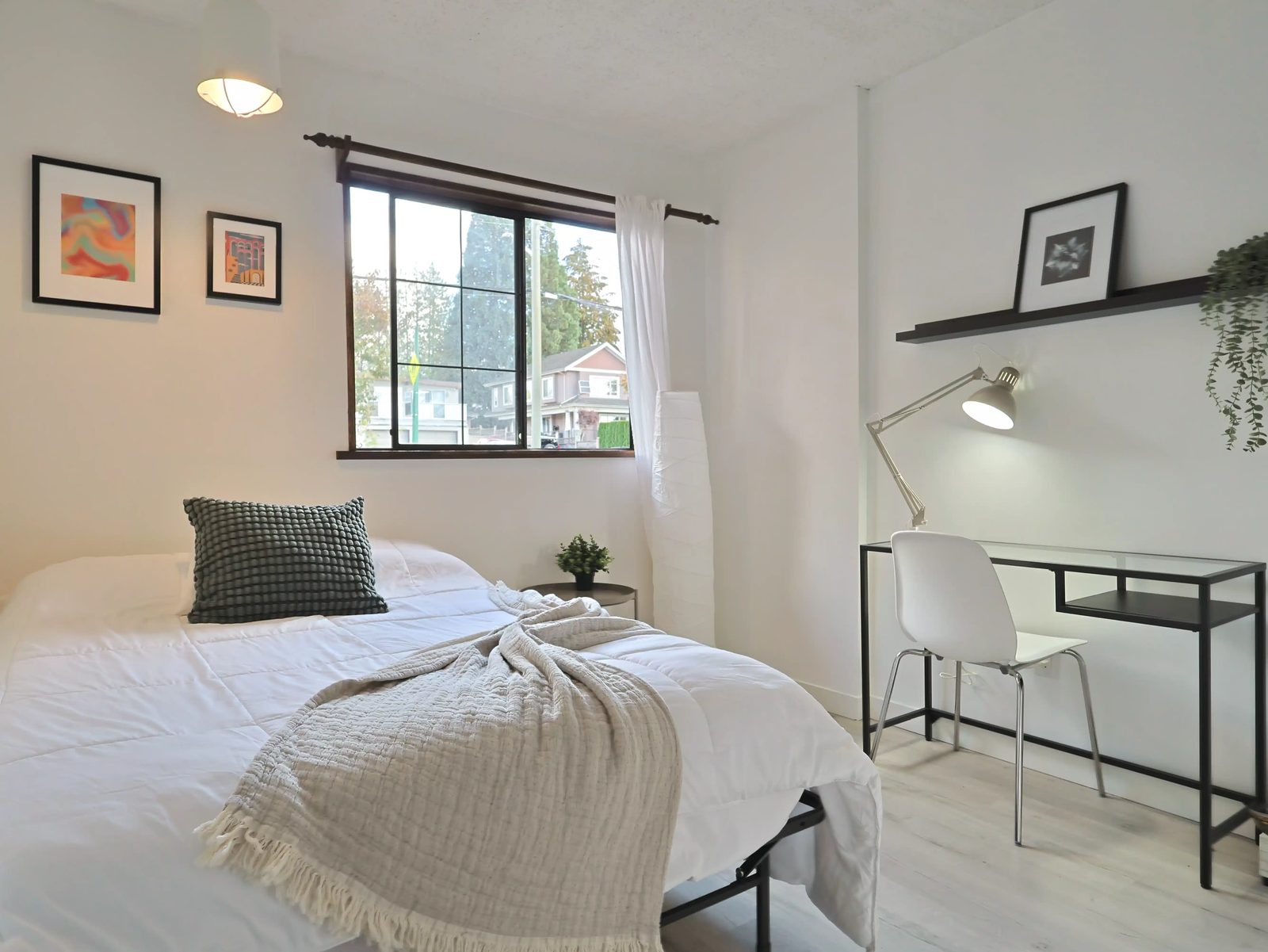
Shortlist logic: how to choose your accommodation
Given the university’s central location and the lack of a single large campus, the best housing choice depends on your faculty and your routine. Here is a step-by-step approach:
- Identify your faculty’s main building. Use the BUT website (vut.cz) to confirm the address of your department. Most engineering students will end up at Technická 12 (Faculty of Electrical Engineering) or at FIT’s building on Božetěchova. For business and architecture, the Antonínská area is key.
- Check public transport connections. Use IDS JMK’s journey planner (available as an app) to see travel times. Note that trams are frequent (every 5–10 minutes) until around 11 pm.
- Set a budget range. Decide how much you can spend per month on rent and utilities. Then search for available rooms or flats on local platforms (e.g., Bezrealitky, Sreality, or student-dedicated Facebook groups). Avoid any site that demands upfront fees without a viewing.
- Prioritise proximity or space. If your faculty is in the centre and you value convenience, look in Brno-střed, Veveří, or Štýřice. If you prefer a larger flat and a quieter environment, consider Královo Pole (tram 1, lines to Technická) or Žabovřesky (tram 11, 12).
- Verify the contract details. Always ask: Is there a deposit? Are utilities capped or included? When is the notice period? Check whether the listing is for a full private room or a shared space.
- Visit if possible, or ask a contact to check. Photos can be misleading. Request a video call or have a local friend inspect the property before signing.
- Consider start dates. Most private student residences offer move-in from September or February, matching semester starts (winter semester: late September; summer semester: mid-February). If you plan to arrive in advance for orientation, confirm early arrival options.
Frequently Asked Questions (FAQ)
1. When should I start looking for off-campus housing in Brno?
Begin your search at least 2–3 months before your intended arrival for the 2026/27 academic year. The market is busiest between August and October for autumn intake, and between January and February for spring intake. Early applications give you a wider choice.
2. Can I get a short-term rental (e.g., 3 months) near BUT?
Yes, some private student residences offer short-term contracts, especially for Erasmus or exchange semesters. Individual landlords may also accept shorter durations, but you will likely pay a slight premium. Always ask explicitly about minimum stay. For stays under 6 months, serviced apartments are your safest bet.
3. Is it cheaper to live in a university-managed dormitory or a private apartment?
University-managed dormitories (often called “koleje”) typically have lower monthly fees than private apartments, but they are not owned by BUT itself – they are run by separate entities. You usually share a room and bathroom. Private apartments give you more privacy but cost more. Compare total monthly outlay, including utilities, internet, and transport. Both options have waiting lists; applying early (by May for September start) improves your chances.
Data as of: 2026-01-30.
All prices mentioned are indicative — confirm with the operator. No educational agency or institution brand names are used. Housing availability and costs change frequently; verify before making any commitment.
Explore more: Browse all student housing guides