Cornell University Housing Guide: What to Know Before You Move to Ithaca
Ithaca, New York, is a small college town set in the Finger Lakes region, home to Cornell University. For students planning to study here from 2026 onward, finding suitable housing requires understanding the local market, campus geography, and the trade-offs between living close to the university versus commuting. This guide draws on campus reviews, city context, indicative pricing, and a curated shortlist of nearby student residences to help you make an informed decision.
What Campus Reviews Reveal About Life at Cornell
Cornell’s campus is often described as both beautiful and isolated. A review by KAI LI notes: “One of the biggest impressions of Cornell University is that it’s not just a university, but more like an ‘academic town’ nestled in forests and canyons. Old stone buildings are scattered throughout the campus, complemented by vast lawns and woodlands, creating a very quiet and historically rich atmosphere.” This echoes the experience of many students who appreciate the serene, natural setting — but also highlights a potential drawback: the university’s location on a hill above the town of Ithaca can feel remote.
Yunong Shi offers a more balanced view: “A quiet, historic campus perched on a hill above the small town of Ithaca. The stone buildings are beautiful but feel a bit tired—roads are rough, parking is a nightmare, and the campus, while scenic, feels somewhat isolated and less alive than other major universities.” Parking difficulties and rough roads are common complaints, which are important to consider when deciding whether to bring a car or rely on public transport.
Henricus Kusbiantoro adds: “For anyone looking for the ultimate college experience, Cornell is surrounded by incredible natural beauty. With over a hundred waterfalls—no exaggeration, it actually reminds me of my trip to Iceland—historic Gothic and Colonial campus architecture, and the high-energy vibes of Ithaca, it’s a special place.” The natural surroundings are a major draw, but the “high-energy vibes” might refer more to the town itself (especially during the academic year) than to a bustling campus.
Konstantinos Rizakos, a prospective student, writes: “We received a very nice prospective students tour. I guess I will be updating this review if we get accepted.” This reflects the university’s effort to welcome newcomers.
Overall, the reviews paint a picture of a campus that is peaceful, historic, and scenic, but also somewhat disconnected from urban amenities. The community is tight-knit, and students often rely on campus buses or personal vehicles to get around. Housing choices should factor in the hilltop location, limited parking, and the need to access both academic buildings and the downtown Ithaca area.
Ithaca’s Housing Market: City Context and Budget Considerations
Ithaca is a small city (population roughly 30,000) with a significant student population. The housing market is heavily influenced by Cornell and Ithaca College. Rental prices have risen in recent years, but compared to major US cities, Ithaca remains moderate. Based on available data, the lowest indicative price for a student-oriented room or studio near Cornell is about USD 955 per month (indicative — confirm with the operator). This is a baseline; actual rents vary widely by unit size, location, and amenities.
Common budget bands for student housing near Cornell:
- Economy (USD 900–1,200): Shared apartments or smaller studios within a 15–20 minute walk/bus ride from campus. Often older buildings, limited parking.
- Mid-range (USD 1,200–1,600): Newer studios or one-bedroom units, often in purpose-built student accommodations. May include utilities or amenities like gym, study rooms.
- Premium (USD 1,600+): Larger apartments, prime locations on or near campus (e.g., Collegetown area), or luxury features like in-unit laundry, parking.
Students on a tighter budget typically look for roommates or live farther from campus and use the TCAT bus system, which is free for Cornell students. Off-campus housing in downtown Ithaca or the Fall Creek neighborhood tends to be slightly cheaper but requires a commute.
Walk vs. Transit: Navigating the Hill
Cornell’s main campus sits on East Hill, approximately 400 feet above downtown Ithaca. This elevation difference means that walking from downtown to campus involves a steep uphill climb. Many students choose to live in Collegetown, a district just below the campus, to minimize walking uphill. However, Collegetown rents are often higher.
For students living farther away, TCAT buses are the primary public option. Many routes connect residential areas (e.g., Cayuga Heights, South Hill) to central campus. The university also operates campus shuttle buses. A car can be convenient for grocery shopping or off-campus excursions, but parking permits are expensive and spaces are limited — as noted in one review.
Walkability trade-offs:
- Living in Collegetown or near central campus: Walk to classes in under 15 minutes, but higher rent and potentially noisy party areas.
- Living downtown or in residential neighborhoods: Lower rent, requires bus or car (10–20 minute commute), but more access to shops and restaurants.
- Living in purpose-built student housing complexes (see shortlist below): Often located a short bus ride away, with shuttle services or on-site amenities.
Students who value quiet and lower cost may prefer a transit-oriented location, while those who prioritize convenience and a vibrant social life might pay more to live within walking distance.
Shortlist of Student Accommodations Near Cornell
The following residences are examples of purpose-built student housing in Ithaca, each catering to different preferences. Prices are indicative and should be confirmed directly with the operator. All four are within a reasonable commute to Cornell.
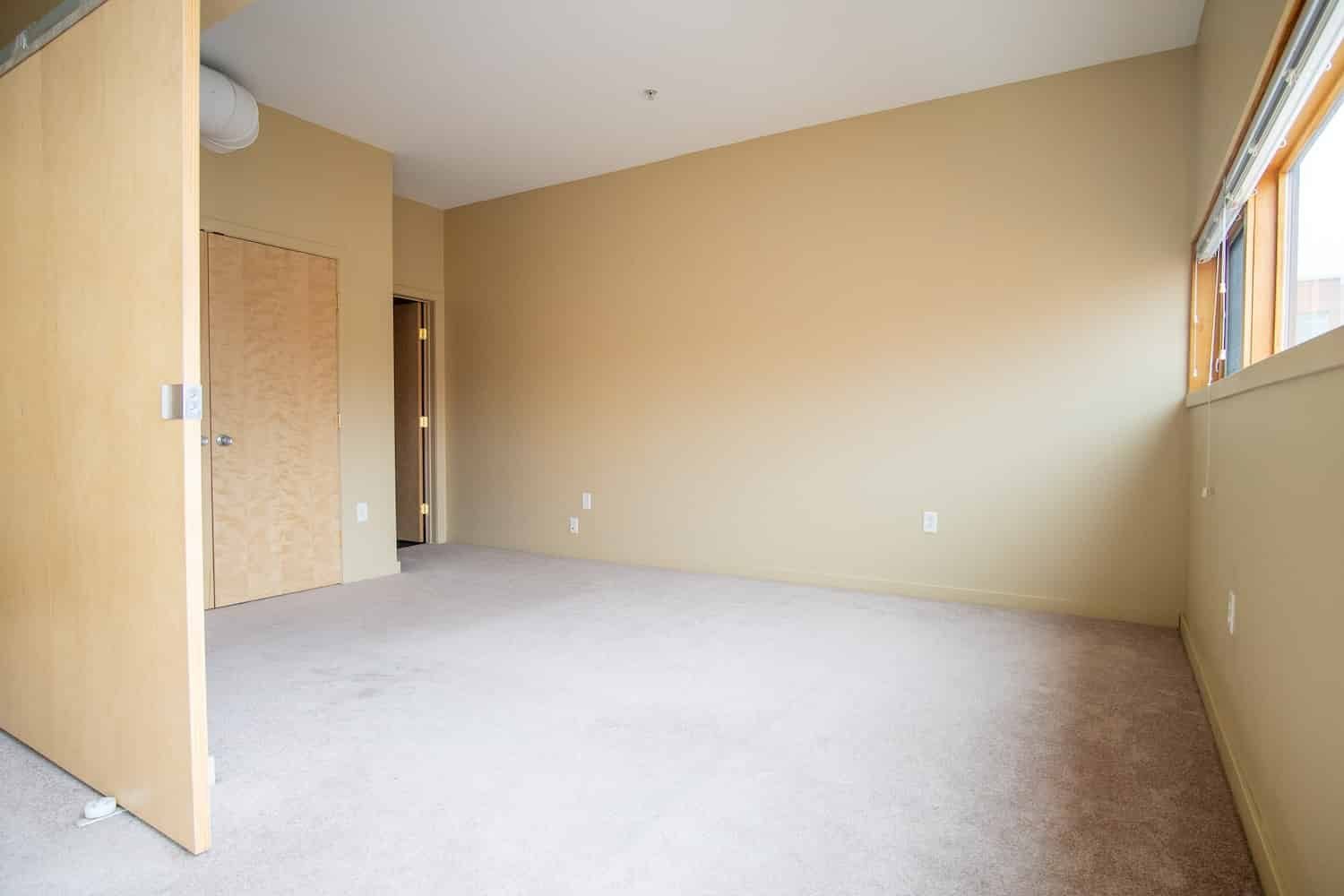
1. The Ithacan
- Location: Downtown Ithaca, close to the Ithaca Commons (restaurants, shops).
- Approximate distance to Cornell: 1.5 miles (bus or 25–30 min walk uphill).
- Indicative price: From USD 955/month (individual lease options available).
- Notable features: Modern apartments, fitness center, study lounges, rooftop terrace. Caters to both Cornell and Ithaca College students.
- Suitable for: Students who want a pedestrian-friendly urban environment and don’t mind a bus commute.
2. Lakeside Vista
- Location: Near Cayuga Lake, about 2 miles from campus (northwest side).
- Approximate distance to Cornell: 2 miles; bus route or bike (20 min).
- Indicative price: From USD 1,100/month (shared or private units).
- Notable features: Lake views, on-site parking, laundry facilities, quiet setting.
- Suitable for: Students seeking a more relaxed lifestyle, possibly with a car, and who enjoy nature.
3. Cayuga Place
- Location: Central Ithaca, near the waterfront and downtown.
- Approximate distance to Cornell: 1.5 miles (bus or walk along the gorge trail).
- Indicative price: From USD 1,050/month.
- Notable features: Eco-friendly building, close to grocery stores, bus stop at doorstep, pet-friendly options.
- Suitable for: Environmentally conscious students who prefer a short commute and want to live near amenities.
4. Cayuga Lofts
- Location: Downtown Ithaca, near the Commons.
- Approximate distance to Cornell: 1.3 miles (15 min bus, 20 min walk downhill to campus, uphill return).
- Indicative price: From USD 1,200/month.
- Notable features: Industrial-style lofts, high ceilings, gym, study spaces, social events for residents.
- Suitable for: Those who prioritize design and community, and are okay with a moderate commute.
Selection logic: These four accommodations cover a range of budgets and locations. The Ithacan and Cayuga Lofts are socially active choices in the heart of the city; Lakeside Vista offers tranquility near the lake; Cayuga Place balances convenience and sustainability. When choosing, consider your daily commute tolerance, need for parking (Lakeside Vista is car-friendly), and preference for noise level.
Frequently Asked Questions (FAQ)
1. When should I start looking for housing for the 2026–2027 academic year?
Most student housing in Ithaca leases for a 12-month term starting in August. The peak search period is February to April of the preceding spring, though some properties (especially purpose-built complexes) open waitlists or early applications as early as October of the previous year. Given the competitive market, it is wise to research and submit applications by March 2026 if you plan to move in August 2026. Confirm exact timelines with each operator.
2. Is it better to live on campus or off campus?
Cornell offers on-campus housing for graduate and undergraduate students, but availability is limited, especially for upperclassmen and transfers. Off-campus housing provides more independence, variety, and often lower costs when shared. If you prefer a quieter environment, a private off-campus apartment may suit you; if you want to be immersed in student life, look for a place near Collegetown or in a complex that organizes events. Consider the total cost including utilities, parking, and transportation.
3. Do I need a car in Ithaca? How is public transportation?
A car is not necessary but can be convenient, especially for trips to grocery stores (which are scattered) or exploring the Finger Lakes region. Parking on campus requires a pricey permit (around USD 500–800 per year), and street parking is scarce. Public transportation via TCAT buses is free for Cornell students with a student ID, with frequent service to and from campus. Many students rely on the bus system year-round, supplemented by walking or biking in warmer months. Biking is feasible but challenging on steep hills; electric bikes are popular.
Data-date: 2026-03-15
Explore more: Browse all student housing guides