What Campus Reviews Reveal
The Harbin Institute of Technology (HIT) holds a global QS rank of 256 and carries a Google rating of 4.6 from 146 reviews. The campus experience, as reported by students, is strongly tied to the university’s central location and specific facilities, which in turn shape housing considerations. One five-star review by Rendra Mahendra highlights: “Harbin Institute of Technology is one of the top University whole China, specially for Aerospace and Computer Science. The building is so big, dorm international is available, halal canteen for muslim, and located in the middle of the city.” Another alumnus, arya lee, also gave five stars: “I‘ve graduated from here , and going abroad. The food is cheap and delicious, ppl who has been 1% of the province in China are great, and also have study burden if you want to get scholarship. The most important thing is I’ve learned how to get along with others and balance studying and playing.”
These positive comments point to the availability of an international dormitory and a halal canteen, plus affordable local food — factors that can reduce the need for a full cooking setup if you live on or near campus. At the same time, a one-star review (jstc2195) notes dissatisfaction with teaching quality, while another (Vay Kass) criticizes the international student office’s email responsiveness and scholarship fairness. Although these critiques are not directly about housing, they suggest that administrative support can vary, which may affect your experience when dealing with dorm applications or off-campus rental contracts. Overall, the rating and reviews indicate that on-campus living works well for many students, but off-campus options are worth exploring if you want more independence or if the dormitory is full.
City Context: Harbin and the Nangang District
HIT’s main campus sits at 92 Xi Da Zhi Jie in Nangang District, the historic and educational center of Harbin. The city, capital of Heilongjiang Province, is famous for its bitterly cold winters (temperatures often drop below −20°C) and the annual Harbin International Ice and Snow Festival. Nangang is dense with universities, research institutes, shops, and restaurants. Xi Da Zhi Jie itself is a major thoroughfare lined with eateries, convenience stores, and bus stops. The metro (Line 1) runs through Nangang, with a station roughly 1 km from the campus, connecting to other parts of the city. Because the university is “located in the middle of the city,” many daily amenities are within a 10–15 minute walk. This central location means that housing in the immediate vicinity tends to be more expensive per square meter than in outlying residential areas such as Xiangfang District or Daoli District. However, the trade-off is shorter commutes and easier access to the halal canteen and other campus facilities mentioned in reviews.
Budget Bands for Student Housing (2026–2027)
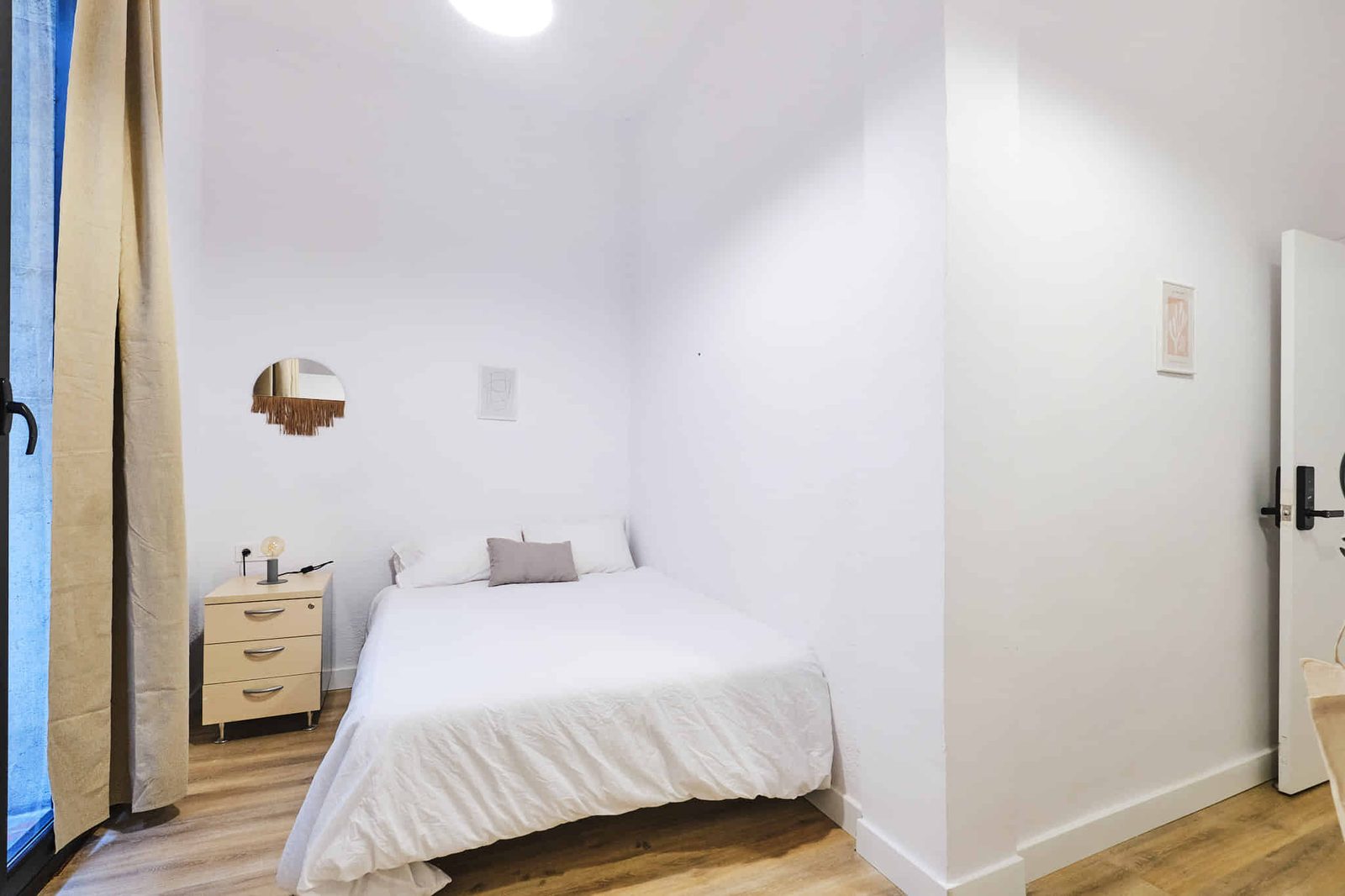
When planning your housing budget for the 2026–2027 academic year, keep in mind that all figures are indicative — confirm with the operator. The three main bands are:
- Economy (shared arrangements): This includes a bed in a university dormitory (if available for your program) or a shared room in an off-campus apartment. Rates for on-campus dorms are set by the university and typically include utilities. Off-campus shared rooms in older buildings near Xi Da Zhi Jie may fall into this band. You will usually share a kitchen and bathroom with two to four roommates.
- Mid-range (private room in a shared apartment or small studio): A private bedroom in a two- or three-bedroom apartment within 15–20 minutes’ walking distance. Some purpose-built student apartments near the campus also fall here. This band offers more privacy while keeping rent moderate. Utilities (heating, electricity, internet) are often separate, so factor in an additional 300–500 CNY per month.
- Premium (entire apartment or large studio): A one-bedroom or studio apartment within the campus core or in a newer building with modern amenities (elevator, 24/7 security, good heating). This is the most expensive option and appeals to students who want complete independence or plan to live with a partner.
Note that the university’s international dormitory (mentioned in Rendra Mahendra’s review) likely falls in the economy or lower mid-range band, depending on room type. Always confirm the exact cost with the housing office directly.
Walking vs. Transit: The Trade-Off
Because HIT is in the city center, many students can walk to class in under 20 minutes. Properties along Xi Da Zhi Jie and the side streets immediately south of the campus are the most walkable. The advantage: you skip transportation costs and save time, especially during the harsh winter when standing at a bus stop can be uncomfortable. The disadvantage: rent in this slice of Nangang is higher, and availability is limited because demand is high from both students and local workers.
If you choose to commute via bus or metro, you can find more spacious or cheaper options in neighborhoods further out, such as along Xuefu Road (a major student corridor) or near the Harbin University of Science and Technology. The commute by bus or metro typically takes 20–40 minutes depending on the location and time of day. A monthly public transport pass costs around 100–200 CNY (indicative — confirm with the operator). Some students prefer to cycle in warmer months (April to October), but the city’s winter climate makes cycling impractical for most of the year. The transit trade-off is a classic case of paying less rent in exchange for more commute time and a monthly transport expense.
Shortlist Logic: How to Choose Among Nearby Residences
When you compile a shortlist of potential homes near HIT, consider the following criteria, using the reviews as a reference:
- Proximity to the halal canteen and campus center: If you plan to eat at the canteen regularly, a property within 5–10 minutes’ walk saves daily effort. The reviewer Rendra Mahendra specifically valued the halal option, so this may be a priority for Muslim students.
- Heating quality: Harbin winters are severe. Apartments in older buildings may have central heating that is adequate but not always well-maintained. Ask about the heating system and whether it is included in the rent. Newer buildings tend to have reliable heating and double-glazed windows.
- Contract duration: Many off-campus landlords in Harbin prefer one-year leases, but some accept semester-by-semester terms — especially if you rent through a student-focused agency. The international dormitory often offers semester-based stays, making it flexible for exchange students.
- Roommate compatibility: If you choose a shared apartment, try to meet potential roommates beforehand. The university’s international office or student forums (WeChat groups) can help you find compatible people. The positive review by arya lee emphasizes learning to “get along with others,” so sharing could be a growth opportunity.
- Utilities and wifi: Check whether electricity, water, gas, heating, and internet are included in the rent. In Harbin, heating is usually supplied by the city and charged per square meter; it is often included in the monthly rent for off-campus units. Wifi is typically a separate expense.
- Noise and environment: Properties facing major roads (like Xi Da Zhi Jie) may have noise from traffic. Side-street apartments are quieter. Since the campus itself is large, living on the opposite side of the building complex from the main gate can already reduce noise.
There is no single “best” option. Your shortlist should reflect your personal budget, preferred commute time, and required amenities. Start by checking the university’s international dormitory availability, then explore off-campus listings within a 2 km radius. Use the reviews as a reality check: if the halal canteen and cheap food are important to you, prioritize walking distance; if you value quiet study space and are willing to commute, consider apartments further from the main gate.
FAQ
Q1: What types of accommodation are available near Harbin Institute of Technology?
A1: Students typically choose between the university’s international dormitory (mentioned in reviews as “dorm international”), private apartments, and shared flats in residential buildings. The dorm offers convenience and a built-in community, including access to the halal canteen. Off-campus options range from rooms in older walk-ups to newer serviced apartments. Most rental properties are concentrated within a 15-minute walk of the campus, especially along Xi Da Zhi Jie and the streets to the south and east. Some students also live in the Xuefu Road area, which has a higher density of student housing and is connected by metro.
Q2: How much should I budget for rent near HIT?
A2: Budgets vary significantly. A bed in the international dormitory is the most affordable option; exact rates are set by the university (indicative — confirm with the operator). Off-campus, a private room in a shared apartment typically costs between 1,500 and 3,000 CNY per month, while an entire studio or one-bedroom apartment can range from 3,000 to 5,500 CNY. These are indicative — confirm with the operator. Utilities (heating, electricity, internet) add roughly 300–500 CNY per month. Your final budget will depend on the number of roommates, the age of the building, and distance from campus.
Q3: Is it better to live on campus or off campus?
A3: The on-campus international dormitory offers proximity, a ready-made social network, and access to the halal canteen. It is especially suitable for first-year students or those on short exchange programs. Off-campus housing provides more privacy, independence, and often larger living spaces, but requires you to manage contracts, utilities, and a longer commute (though many properties are still within walking distance). Reviewers report that both options are viable; the choice comes down to your budget, tolerance for shared living, and preference for convenience versus space. If you want to minimize administrative hassle, start with the dorm and move off-campus later if needed.
Data as of 2027-03-10.
Explore more: Browse all student housing guides