Campus Reviews: What Students Say
Hiroshima University holds a Google rating of 4.3 from 361 reviews. Student feedback highlights both academic reputation and campus environment. Below are verbatim quotes from recent reviewers:
- Yeshi Lhadon (5 stars, 7 months ago): “Hiroshima University (広島大学, Hiroshima Daigaku) is a Japanese national research university located in Higashihiroshima and Hiroshima, Japan. Established in 1929, it was chartered as a university in 1949 following the merge of a number of national educational institutions. Its abbreviated form is Hiro.”
- Abhishek khora (5 stars, 3 years ago): “Hiroshima University is a prestigious institution of higher education located in Hiroshima, Japan. Established in 1949, it has since grown into one of the country’s leading universities, known for its strong academic programs, research contributions, and commitment to social responsibility. 🙂”
- Jade Dhapnee Compendio (5 stars, 5 years ago): “A very picturesque university, not only during spring season, but all year round! A great place to study as well!”
- Endah Murniningtyas (5 stars, 9 months ago): “A nice and pleasant to visit. Have a great discussion both with the faculty and with Permias… most Indonesian students study waste management and other green practices…”
The consistent praise for the campus’s visual appeal and academic strength suggests that students value both a stimulating learning environment and a scenic setting. Living near this university means you can fully enjoy its year-round beauty while maintaining easy access to lectures and facilities.
City Context: Higashihiroshima and Hiroshima
Hiroshima University’s main campus is located in Higashihiroshima, a city within Hiroshima Prefecture about 40 minutes by train from central Hiroshima. The city is quieter and more residential compared to the compact urban core of Hiroshima, which is known for its peace memorial, vibrant food scene, and transportation links. For students, this means a choice between two fundamentally different living experiences.
Higashihiroshima itself has a population of roughly 190,000. It offers supermarkets, convenience stores, local eateries, and public parks. The area around the university – particularly Kagamiyama – is heavily student-oriented, with affordable apartments and share houses within walking or cycling distance of campus. Many international students and researchers live in this vicinity because of its proximity and lower cost of living relative to central Hiroshima.
Hiroshima city, meanwhile, provides greater access to entertainment, part-time job opportunities, and transport connections to other parts of Japan. However, the daily commute by JR train (the Sanyo Main Line) takes around 40 minutes each way, plus local travel to the station. Students who prefer a busier lifestyle or need to work part-time often choose to live in Hiroshima city and commute.
Budget Bands for Student Housing (2026/2027)
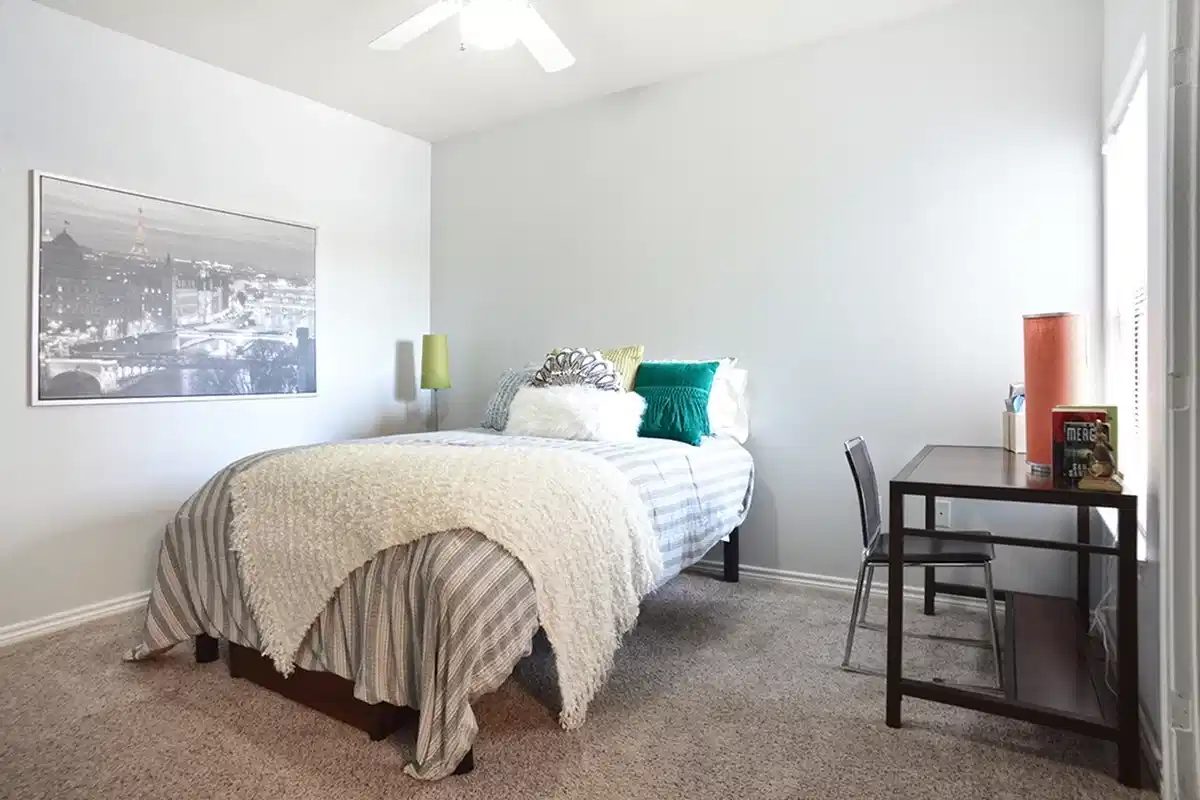
Because housing prices vary significantly by location, type, and size, the figures below are indicative — confirm with the operator. No specific rental data was provided for this article, but general bands for the region are outlined based on common market patterns for student accommodation in Higashihiroshima and Hiroshima.
- Low budget: Shared houses (guesthouses) or dormitory-style rooms. Typically the most economical option. Often includes basic utilities and internet. Common for short-term stays or students who prioritise low overheads.
- Mid budget: Private one-room apartments (1K/1DK). These offer personal kitchen and bathroom. Most students in this band live within 1–2 km of campus in Higashihiroshima.
- High budget: Larger apartments (1LDK/2DK) or modern studio units near Hiroshima station. Suitable for couples or students who want full amenities and a shorter commute to the city centre. Higher rent, but greater comfort and convenience.
Important: Rent levels in Higashihiroshima are generally lower than in central Hiroshima. A mid-budget apartment near campus may cost considerably less than a similar unit near Hiroshima station. Always confirm current prices and contract terms with the property operator before signing.
Walk vs Transit: Where to Live
Choosing between walking distance and commuting by train depends on your priorities.
- Walking/cycling distance (within 1–2 km of campus): You can reach lecture halls, the library, and student services on foot or by bicycle within 10–20 minutes. This saves time and transport costs. The neighbourhood around Kagamiyama is quiet, with convenience stores and small restaurants. The main drawback: fewer entertainment options and limited part-time job prospects unless you work at the university.
- Commuting from central Hiroshima (train + local travel): A typical journey takes 40–50 minutes each way. You gain access to a wider range of housing, supermarkets, nightlife, and job opportunities. The commute is manageable if you plan your timetable carefully, but it requires a monthly pass (roughly ¥10,000–¥15,000 for the Sanyo Main Line).
Many students choose a middle ground: live in Higashihiroshima town (e.g., near JR Saijō or Higashihiroshima station) where rent is moderate and train access to campus is 10–20 minutes. Saijō is known for its sake breweries and has a small-town feel with enough shops for daily needs.
Shortlisting Logic Using Nearby Residences
When searching for housing near Hiroshima University, a systematic shortlist helps narrow options. Although no specific residence data was supplied for this guide, the following logic applies to any student housing platform you may use (including the one for which this article is written).
Step 1: Filter by distance to campus
Set a maximum walking time that suits your routine – typically 15 minutes on foot or 5 minutes by bike. On the platform, use the map view to see which properties fall within that radius.
Step 2: Set a realistic budget band
Decide your monthly rent ceiling, remembering to include utility and internet costs (usually ¥5,000–¥10,000 extra). Filter by your chosen band (low, mid, high) to avoid wasting time on options outside your range.
Step 3: Check lease terms
Japanese student housing often requires a minimum 12-month contract. Some operators offer 6-month or semester-length leases. Read the cancellation policy carefully. All terms are indicative — confirm with the operator.
Step 4: Read recent tenant reviews
Look for comments about noise, cleanliness, landlord responsiveness, and internet speed. The reviews on your housing platform will give you real experiences.
Step 5: Compare two or three top choices
Create a shortlist of 2–3 properties that meet your criteria. Contact each operator to ask about availability, move-in date, and any additional fees (e.g., key money, deposit, cleaning fee).
Step 6: Consider commute options
If you decide to live further from campus, verify that the property is near a bus stop or train station with a direct line to the university. Calculate total travel time and cost before committing.
Using this logic, you can confidently select a place that balances cost, convenience, and comfort. Since no specific residence names appear in the source data, we recommend applying these steps to the listings available on your housing platform.
FAQ (Frequently Asked Questions)
1. Is it better to live on campus or off campus near Hiroshima University?
Hiroshima University does not offer large-scale on-campus dormitories for all students. Most international students live in off-campus private apartments or guesthouses. Living in the Kagamiyama area provides the closest access, while Saijō town offers a wider choice of amenities at a slightly lower rent. Both options require you to secure housing through a private operator; confirm availability early, especially before the semester starts.
2. How much does a typical student apartment cost near Higashihiroshima campus?
Rent levels cannot be stated definitively without current listings. Based on general market patterns, a small apartment (1K) near the university may fall into the mid budget band, while a shared room is usually the low budget option. All prices are indicative — confirm with the operator to get exact figures for the dates you intend to move in (2026/2027).
3. What should I look for in a lease contract in Japan?
Japanese leases commonly require a security deposit (押金), key money (礼金), and a guarantor. Some operators accept a guarantor company for a fee. Check whether utilities are included or billed separately. Also confirm the notice period for moving out. Since contracts are in Japanese, request an English translation if available. Read the cancellation terms carefully before signing.
Data-date: 2026
Explore more: Browse all student housing guides