Indian Institute of Technology Delhi (IITD) – Student Housing Guide
What campus reviews reveal
IIT Delhi consistently earns high praise from students and visitors alike. On Google, it holds a 4.7 rating from nearly 5,000 reviews. Visitors describe the campus as “green, well-maintained, and peaceful” (Abhishek Yadav, 5-star), and another reviewer calls it “a symbol of excellence, innovation, and ambition” (Arjun K Ashokan, 5-star). A 4-star review notes “an excellent academic atmosphere with world-class faculty, state-of-the-art labs, and a vibrant campus life” (Byroju Arun). These comments highlight not only academic strength but also the quality of the physical environment — a factor that matters when choosing where to live nearby.
The campus is located in Hauz Khas, South Delhi — a leafy, upscale neighbourhood that contrasts with the intensity of central Delhi. Many students value being close to the institute to make the most of campus facilities and late-night study sessions. The reviews suggest that the area around IITD is well-maintained and energetic, which translates to a range of housing options, though prices reflect the premium location.
City context: Delhi
Delhi is a sprawling metropolis with a mix of historical sites, commercial hubs, and residential areas. The city has an extensive metro network, but travel times can be long depending on where you live. IITD’s campus is well-connected via the Hauz Khas metro station (Yellow and Magenta lines), making it feasible to live further away if you are willing to commute. However, many students prefer to stay within walking or short-cycling distance to avoid daily traffic and save time.
The climate features hot summers (April–June), a monsoon season (July–September), and mild winters (November–February). Air quality can be poor in winter, which influences the decision to live close to campus so you can minimise outdoor exposure. The neighbourhood around IITD is relatively green compared to other parts of Delhi, a fact mentioned in reviews.
Budget bands
Accommodation costs in South Delhi vary widely depending on room type, sharing arrangement, and exact location. Near IITD, you will find options ranging from shared rooms in guest houses or hostels to private studios and 1BHK flats. As a rough guide, a shared room in a PG (paying guest) accommodation can start from around INR 10,000 per month, while a private studio or a room in a fully serviced apartment may range from INR 20,000 to INR 40,000 per month. All figures are indicative — confirm with the operator before making any commitment.
Keep in mind that prices often include utilities such as electricity, water, and Wi-Fi, but not always. Security deposits typically equal one to three months’ rent. It is wise to ask for a written agreement and clarify what is included.
Walk vs transit trade-off
Living within walking distance of IITD — say in Hauz Khas, SDA, or Katwaria Sarai — offers convenience: no commuting time, easy access to campus libraries and labs, and a vibrant student community. The downside is higher rent and potentially less space. Many students share rooms to keep costs manageable.
If you choose to live further away, such as in areas like Saket, Malviya Nagar, or Vasant Kunj, you can find more spacious accommodation at a lower price. The trade-off is a commute of 20–40 minutes by metro or auto-rickshaw. The Hauz Khas metro station is a major interchange, providing good connectivity. However, the last-mile between the metro and your accommodation may require an auto or a shared rickshaw, adding time and cost. Also, metro timings can be restrictive for late-night study sessions. Consider your daily schedule: if you have early classes or late lab work, walking proximity may be worth the premium.
Shortlist logic
When shortlisting accommodation near IITD, consider these factors in order:
- Location within walking distance or a short metro ride. The ideal radius is 2 km from the campus gate. Areas like Hauz Khas Village, SDA Market, and Katwaria Sarai are popular among students. If you are willing to commute, look at Saket (about 3 km, one metro stop) or Malviya Nagar (4 km, two stops) for more options.
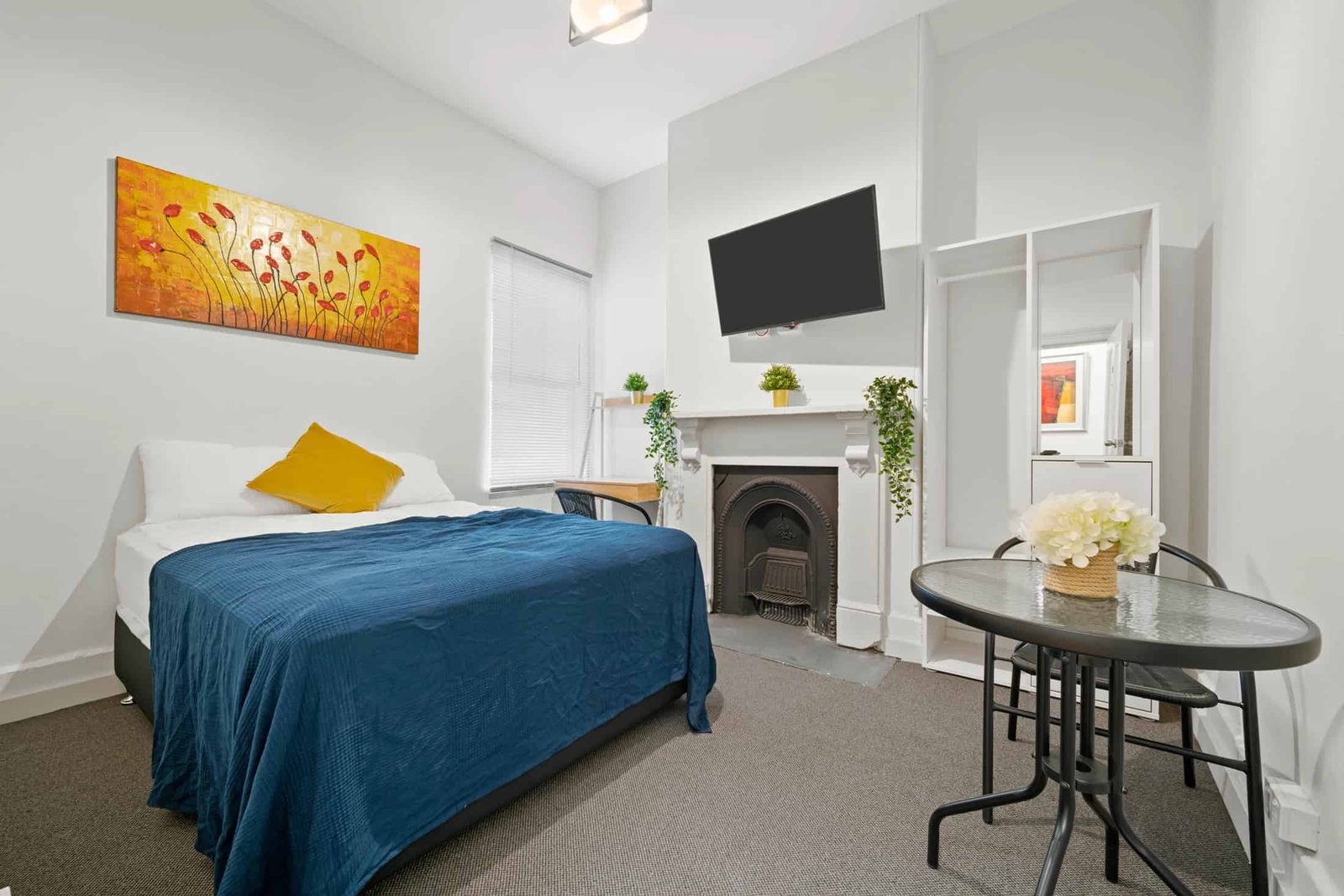
- Room type and sharing. If you are on a tight budget, a shared room in a PG or student hostel can bring down costs. If you value privacy, a studio or 1BHK will cost more. Some co-living operators offer fully furnished rooms with shared common areas — an increasingly common choice.
- Amenities included. Check whether the rent covers electricity, water, Wi-Fi, housekeeping, and meals (if any). Many PGs provide dinner and breakfast, which can save cooking time and money. Ask whether there is a washing machine, refrigerator, and power backup.
- Safety and security. Look for properties with 24/7 security, CCTV, and a secure entry system. Female students should particularly check the building’s safety measures and the landlord’s policies.
- Lease flexibility. Most PGs offer monthly rentals, while apartments may require a 6–12 month commitment. If you are staying for a short-term course or exchange, confirm a short-term lease or a sublet option.
- Reviews and walkarounds. Before finalising, visit the property or ask for a video tour of the room and common areas. Talk to current tenants if possible. Online reviews on housing platforms can give you a sense of cleanliness, noise levels, and behaviour of the landlord.
By prioritising these factors, you can create a shortlist of 3–5 properties that match your budget and lifestyle. Then contact each operator to ask about availability, current prices, and move-in dates. Always ask for a written rental agreement and keep copies for your records.
Frequently Asked Questions
1. Are there on-campus hostels for students at IIT Delhi?
Yes, IIT Delhi provides on-campus hostel accommodation for its enrolled undergraduate and postgraduate students. However, capacity is limited and allocation is based on the institute’s rules. Exchange students and short-term visitors typically need to arrange private housing off-campus. The institute may also have guest houses for short stays — check directly with IITD’s accommodation office for availability and rates (indicative — confirm with the operator).
2. How far is the nearest metro station from IIT Delhi?
The Hauz Khas metro station is about 1.2 km from the main gate of IIT Delhi, approximately a 15-minute walk or a short auto-rickshaw ride. The station serves the Yellow Line (Huda City Centre – Samaypur Badli) and the Magenta Line (Janakpuri West – Botanical Garden), providing connectivity to most parts of Delhi and Noida. Many student accommodations in the vicinity are within walking distance of this station.
3. What is the typical lease duration for private accommodation near IITD?
In PG (paying guest) setups, the minimum stay is usually one month, and you can extend on a month-to-month basis. Some guest houses require a 3-month commitment. For independent apartments or co-living spaces, lease periods are often 6 to 12 months. Always negotiate the duration upfront. Short-term rentals (e.g., 2–3 months) may be available but usually at a higher monthly rate. Confirm the policy on early termination and notice period before signing.
Last updated: 2026
Explore more: Browse all student housing guides