Housing Near IPB University: A Guide for Students
IPB University (also known as Bogor Agricultural University) is located in the Darmaga area of Bogor, West Java, Indonesia. With a QS World University Ranking of 399 and a Google rating of 4.7 from nearly 4,000 reviews, it is one of Indonesia’s most respected institutions. The campus is set in a green, forested environment that students often praise for its tranquility. This guide covers what current students say about campus life, the city context, typical housing budgets, the walk-versus-transit trade-off, and a logical approach to choosing where to live.
What Campus Reviews Reveal
The feedback from IPB students and visitors consistently highlights a peaceful, natural atmosphere and a strong educational reputation.
A review from Andrawira Mandala Chen (5 stars, a year ago) captures the campus vibe: “The place is very tranquil. I enjoy take a morning walk or evening jogging with the fresh air of surrounding forest in the area.” He also notes that visitors can enter freely, which adds to the open feel. Another reviewer, Endih Herawandih (5 stars, 8 years ago), calls IPB “one of the best and largest campus in Indonesia” and praises “the good quality education system but also has best and reliable facilities and infrastructure.” Jeff Hahn (4 stars, 8 years ago) enjoys the mature trees and old buildings: “It has a lot of trees… Those old buildings looks amazing.” For international students, Mellydian T. A (5 stars, 7 years ago) reassures safety: “if you are a foreigner and want to study abroad and choose IPB you don’t need to worry about the safety … you will get a guidance book and warn for the sake of your safety from the people of ICO IPB.”
These reviews suggest that housing near campus should prioritise access to green space, a safe environment, and a short walk to the main academic buildings.
Bogor City Context
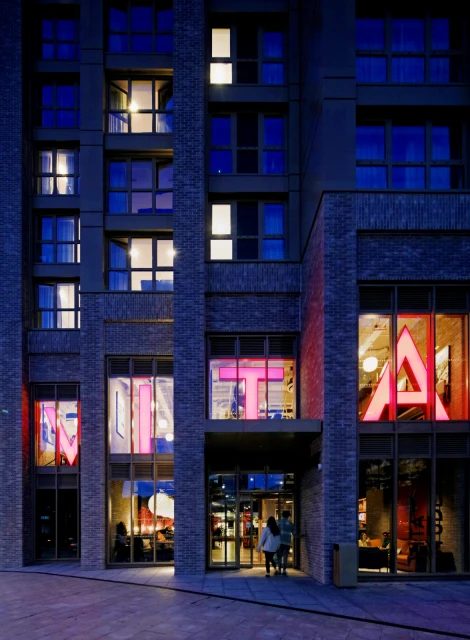
Bogor city lies about 60 kilometres south of Jakarta, the capital. It has a cooler, wetter climate than Jakarta thanks to its higher elevation, which makes walking or cycling more comfortable. The city is known for its botanical gardens and relaxed pace of life. However, traffic can be heavy on the main roads, especially during peak hours and on weekends when Jakarta residents visit.
The IPB main campus in Darmaga is a sprawling area with multiple faculties, a small forest, and agricultural fields. The immediate surroundings are a mix of student housing, small eateries (warung), and shops. The nearest larger commercial centre is the city of Bogor itself, about 8–10 km away, reachable by public minibus (angkot), ride-hailing, or personal vehicle. Many students limit their daily travel to the campus area and only venture into central Bogor for weekend shopping or services.
Budget Bands for Student Housing
Rent in the Darmaga area varies widely based on room size, facilities, and distance from the main gate. All prices below are indicative—confirm with the operator before committing.
- Low band (IDR 500,000 – 1,000,000 per month): A basic room in a kos (boarding house) with shared bathroom and simple furnishings. Often located a bit farther from the campus entrance (1–2 km walk). Electricity and water may be charged separately.
- Mid band (IDR 1,000,000 – 2,000,000 per month): A larger room with private bathroom, better furniture, and often includes utilities and Wi-Fi. These are usually within 500 metres to 1 km from the main gate.
- High band (IDR 2,000,000 – 4,000,000 per month): A small studio or apartment-style unit with air conditioning, private kitchen, and quality finishes. Closest to campus (within 300 metres) or in a newer building with security and parking.
Note that prices tend to rise when the academic year starts, so early searching (1–2 months before) is wise.
Walk vs Transit: Making the Trade-Off
Given IPB’s large and green campus, many students choose to live within walking distance. The main gate area has a high concentration of kos and food stalls. Walking saves time and money, and aligns with the campus’s relaxed, nature-oriented feel. However, the immediate vicinity can be noisy due to student activity, and the selection of housing types is limited to smaller rooms.
If you prefer more modern amenities or a quieter setting, you may need to look further out—like the Baranangsiang or central Bogor areas. This introduces a commute. Public transport options include:
- Angkot (minibus): Cheap (IDR 3,000–5,000 per ride) but routes can be confusing and vehicles are often crowded.
- Ride-hailing motorcycles (ojek) and cars: More comfortable and faster, but cost IDR 10,000–30,000 per trip within Bogor.
- Personal bicycle or scooter: Popular among students. The campus has bike racks and is relatively flat. Scooters require a licence and fuel costs.
The trade-off is clear: walking gives you a 5–10 minute door-to-class time but limits your housing options; commuting opens up more budget and quality choices but adds 20–40 minutes each way and a recurring transport cost. For international students new to Bogor, walking-distance housing is often recommended for safety and convenience—as the review from Mellydian T. A confirms, security guidance is provided.
How to Shortlist Your Rental
Without named residences in this guide, you can use a logical shortlist based on your priorities. Follow these steps:
- Define your walking range: If you want to walk, limit your search to kos listed as “within 1 km of IPB main gate” (check on map apps). Walk the route yourself before signing.
- Check safety features: Look for 24-hour security, CCTV in common areas, and a secure front gate. The university also offers guidance for international students—ask the ICO office for recommendations.
- List amenities in order of importance: Wi-Fi speed, private bathroom, air conditioning, kitchen access, laundry service. Many kos provide monthly maid service, but this varies.
- Compare utility charges: Some rents include water, electricity, and Wi-Fi; others charge separately. Always ask for an average monthly bill to avoid surprises.
- Talk to current tenants: If possible, chat with a few residents about noise levels, landlord responsiveness, and any issues with pests or maintenance.
- Consider your budget for food: Areas near campus have warung that sell meals for IDR 5,000–15,000. If you live further out, you may need to budget for cooking or more expensive restaurants.
The shortlist logic is simple: start with walking distance, then broaden based on amenities and price. For a calm experience, choose a room that faces the campus side (quieter) rather than the main road.
Frequently Asked Questions
1. Is it safe for international students to live near IPB?
Yes. As one review noted, IPB has a dedicated international student orientation (ICO) that provides a guidance book and safety warnings. The campus area is generally safe, but standard precautions apply: lock your room, avoid walking alone late at night in isolated spots, and keep emergency numbers handy. Many kos have security guards.
2. How much should I budget for housing as a student?
Indicative monthly costs for a single room in 2026–2027 range from IDR 500,000 (low-end) to IDR 4,000,000 (high-end). The median price for a comfortable room with private bathroom and Wi-Fi is around IDR 1,500,000 – 2,000,000. Confirm exact rent with the kos operator, as prices change with demand.
3. What is the best way to get around the campus?
IPB’s campus is large but walkable. Most students walk or cycle between classes. The university also provides internal shuttle buses (free for students) on certain routes. For trips to the city, angkot or ride-hailing is common. A bicycle is a good investment if you live beyond walking distance but within 3 km.
Data date: 2026. All prices are indicative—confirm with the operator. This guide is based on publicly available information and student reviews.
Explore more: Browse all student housing guides