Campus Reviews: What Students and Visitors Say About MIT
MIT holds a Google rating of 4.7 from 4,465 reviews, and the feedback consistently highlights two themes: the campus is open and accessible, and the atmosphere is charged with innovation. A visitor named Alex Kos wrote, “It is just amazing that visitors can go to any building without tour guide. Nice campus. Architecture is modern so no old time beauty:)” This openness is unusual for a top-tier research university — most campuses restrict access to certain buildings, but MIT encourages exploration. Bradley Sneed, who visited while on vacation, noted: “Prestige: I experienced it here while walking the campus while on vacation. MIT is not really a tourist destination but to not see it is to miss a major piece of Boston/Cambridge.” For students considering housing near MIT, these reviews indicate that the campus itself feels integrated into the city, not isolated behind gates. NaveenKumar described the experience as “absolutely mind-blowing,” adding that “the energy and innovation are on another level.” Md Mujtaba called MIT “a desired dream … excelling in every field” and said that even as someone with an average schooling background, the visit “made me feel highly motivated to achieve things beyond my imagination.” These emotional responses suggest that proximity to MIT can be a source of daily inspiration. The takeaway for housing: being within walking distance or a short transit ride allows you to casually use the campus’s open spaces, libraries, and public areas, which many visitors describe as a unique advantage.
Cambridge and Boston: City Context for MIT Students
MIT is located at 77 Massachusetts Avenue, Cambridge, MA 02139, USA. Cambridge sits across the Charles River from Boston and is part of the Greater Boston metropolitan area. The city is dense, walkable, and served by the Massachusetts Bay Transportation Authority (MBTA), including the Red Line subway, which has a stop at Kendall/MIT Station directly on campus. Bus routes also serve the area. Cambridge itself is a mix of historic residential streets, tech company offices (especially in Kendall Square), and student-focused amenities like bookstores, coffee shops, and casual restaurants. Boston adds even more options — museums, theaters, professional sports, and a wider job market — all accessible via the subway or a 15-to-20-minute walk across the bridge.
Housing in Cambridge tends to be expensive, with rents comparable to other major US cities. The presence of both MIT and Harvard University pushes demand high, especially in neighborhoods close to campus. Many students choose to live in Cambridge (neighborhoods like Central Square, Harvard Square, and East Cambridge) or in adjacent Boston areas such as Back Bay, Beacon Hill, or Allston. Allston, in particular, is known for lower rents and a lively student scene, though it requires a transit commute. The climate involves four distinct seasons: hot summers, cold winters with snow, and spring/autumn transitions. Students should plan for heating costs (often included in rent in some buildings) and winter weather that makes walking distance more valuable.
Budget Bands for Student Housing Near MIT (2026–2027)
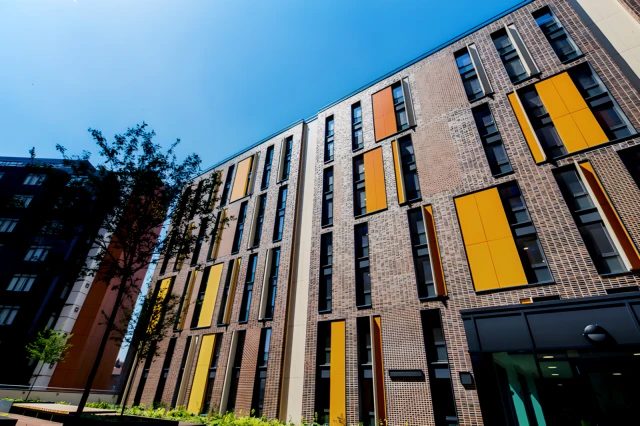
Rental prices in Cambridge and Boston vary widely depending on location, unit size, and amenities. Below are indicative bands — confirm with the operator before committing to any property. All figures are in US dollars and reflect typical monthly rent for the 2026–2027 academic year. Prices change frequently, so always verify.
- Shared apartment, per person (near campus, within 1 mile): $1,200–$1,800. This usually involves a 2-bedroom or 3-bedroom apartment with roommates. Units in older buildings (walk-up, no elevator) tend to be at the lower end; newer developments with gyms and concierge are higher.
- Studio or one-bedroom apartment (near campus): $1,800–$2,600. Studios in Cambridge are scarce and command a premium. One-bedroom units in newer buildings near Kendall Square often exceed $2,500.
- Room in a shared house or dorm-style residence (further out, e.g., Allston or Somerville): $800–$1,200. This is the most affordable option, but the commute is typically 15–30 minutes by bus or subway.
- Short-term or flexible-lease housing (semester-by-semester): $1,500–$2,200 per month. Some operators offer furnished units with utilities included, popular for exchange students or those arriving in spring.
Always ask whether utilities (electricity, heat, water, internet) are included. Many older buildings in Cambridge still use oil or gas heat, which can add $100–$200 per month in winter. Lease terms typically run from September 1 to August 31, but some operators offer 12-month or 9-month options.
Walk vs. Transit: Getting Between Housing and MIT
The trade-off between walking and using transit is one of the most important factors when choosing housing near MIT. Here is a factual comparison:
- Walking (0–1.5 miles from campus): You can walk from most parts of Cambridge (Central Square, Harvard Square, East Cambridge, MIT’s own graduate housing) in 10–25 minutes. The campus is relatively compact and mostly flat, so it’s practical year-round. In winter, snow and ice can slow walks, but the city clears sidewalks promptly. Walkers save on transit costs (a monthly MBTA pass is about $90 for unlimited rides) and avoid waiting or transfers. The cost premium for a walking-distance apartment is usually $200–$500 more per month compared to a similar unit farther out.
- Transit (2+ miles or across the river): If you live in Allston, Somerville (outside Davis Square), or near Boston’s Back Bay, you will likely take the MBTA. The Red Line from Charles/MGH or Park Street stations takes about 10–15 minutes to reach Kendall/MIT. Buses (e.g., the CT2 or 64) also connect Allston and Cambridge. Transit commutes are reliable but can be crowded during peak hours. The advantage is lower rent: you might find a room in Allston for $900–$1,100 that would cost $1,400+ in Cambridge. The trade-off includes waiting time (5–10 minutes typically), potential delays, and the monthly pass cost.
- Bicycling: Many students use bikes, which split the difference. The city has dedicated bike lanes on Mass Ave and the Longfellow Bridge. Biking from Allston to MIT takes 10–15 minutes. Most apartments do not include secure bike storage, so bring a good lock.
- Commute time summary:
- Walk (1 mile): 15–20 minutes.
- Bike (2 miles): 10–15 minutes.
- Subway (2–4 miles): 15–25 minutes door-to-door.
- Bus (3–5 miles): 25–40 minutes.
Your choice will depend on whether you value daily convenience (walk) or lower monthly costs (transit). Many students start with a walking-distance apartment and move farther out in later years once they know the city.
Shortlist Logic: How to Filter Housing Options Near MIT
When building a shortlist of residences for the 2026–2027 academic year, use a systematic process based on four criteria: distance to campus, total cost, lease flexibility, and included services. Do not rely on agency or operator claims alone; verify every detail.
1. Distance filter. Start by deciding your maximum acceptable walking time. If you can afford the premium, limit your search to apartments within 1 mile of 77 Massachusetts Avenue. Use a map tool to check walking distance — not driving distance. Neighborhoods to focus on include: Kendall Square (immediate proximity), Central Square (0.8–1.2 miles), East Cambridge (0.5–1 mile), and Harvard Square (1.2–1.5 miles). If you choose transit, expand your search to Allston, Somerville (near Porter or Davis Square), and Boston’s Back Bay.
2. Cost filter. Calculate your total monthly housing budget including rent, utilities, and transit. For a shared apartment near campus, plan on $1,200–$1,800 per person. For a studio or one-bedroom, budget at least $1,800–$2,600. If you go the transit route, subtract the monthly MBTA pass ($90) from your housing budget to compare like-for-like. Always confirm the final “all-in” cost with the operator — some properties quote base rent and add fees for parking, internet, or application processing.
3. Lease terms filter. Most Cambridge leases run September 1 to August 31, but some operators offer shorter terms (semester or 9-month). If you are arriving in January 2027, you will need a sublet or a flexible-lease apartment. Confirm the move-in date and whether the unit is available for the exact period you need. Avoid penalties for early termination if your plans change.
4. Included services and property condition. Ask specific questions: Does the rent include heat, hot water, and electricity? Is internet provided or do you need to set it up? Is the building elevator-accessible (important for upper-floor units)? Are there laundry facilities in the unit or building? Is parking available (and at what extra cost)? Verified reviews from recent tenants can reveal issues like noise, maintenance delays, or pest problems — do not skip this step.
Shortlist example structure (hypothetical, for illustration):
- Option A: 0.5 miles from MIT, shared 2-bedroom, $1,400 per person, utilities included, lease Sept 1–Aug 31, ground floor, no parking. For a student who values walking and a fixed budget.
- Option B: 1.3 miles from MIT, one-bedroom, $2,200, heat and water included, electricity extra, elevator building, lease 12-month flexible. For a student who wants privacy and can walk 20 minutes.
- Option C: 2.5 miles in Allston, room in a 3-bedroom house, $1,000, utilities not included (estimated $150/month), bus route to campus, lease Sept–May. For a student prioritizing lower rent and a short commute via transit.
You can use student housing platforms to filter by these criteria, but always cross-reference the operator’s own website for current pricing — marked as “indicative – confirm with the operator” — and check Google Maps walking times.
Frequently Asked Questions
1. What is the typical rent for a studio apartment within walking distance of MIT in 2026–2027?
As an indicative range, studios near campus (within 1 mile) typically cost $1,800–$2,600 per month. Prices vary by building age, amenities, and whether utilities are included. Always confirm with the operator before signing. For a more affordable option, consider a shared apartment or commute from neighborhoods like Allston.
2. Is it better to walk or take the subway to MIT from Cambridge housing?
It depends on your budget and personal preference. Walking from Cambridge neighborhoods (0–1.5 miles) takes 10–25 minutes and costs only time. Subway from farther areas (e.g., Allston or Somerville) takes 15–25 minutes door-to-door but requires a monthly pass (~$90) and involves waiting and crowding. Walkable housing typically costs $200–$500 more per month. Many students prefer walking for the reliability and daily exercise, but commuting via transit is a proven way to lower rent.
3. When should I start looking for housing for the 2026–2027 academic year?
Most Cambridge leases start on September 1, with listings appearing in late spring (April–May). Begin your search in March or April 2026 to have enough time to compare options. For a January 2027 start, look for sublets or flexible-lease apartments starting in October 2026. Contact operators directly and confirm availability, as popular walking-distance units can be booked by June.
Explore more: Browse all student housing guides