Housing Near HSE Moscow: A Practical Guide for 2026–2027
The National Research University Higher School of Economics (HSE) is located at Myasnitskaya Ulitsa, 20, in central Moscow, Russia. With a QS rank of 440 and a Google rating of 4.4 out of 5 (based on 411 reviews), it draws both domestic and international students. The university’s central location means that housing options are diverse—from university dormitories to private rentals in historic districts. However, recent reviews highlight important changes to dormitory availability that you need to factor into your housing plan. This guide uses student feedback, city context, and practical trade-offs to help you shortlist accommodation for 2026 or 2027.
What Campus Reviews Reveal
Student reviews on Google offer a mixed but informative picture. Tomar Shallu, rating 5 stars, wrote: “A perfect place for academic pursuits and professional growth! A genuine international research institution. An ideal setting for learning and working! A truly global research university.” This positive view of the academic environment contrasts with a practical housing concern raised by Md Miner Mahamud (3 stars): “From this year university will not provide dormitory to paid international students. Only students with 100% scholarship will get dormitory. So, if you don’t have 100% scholarship then don’t forget to bring lots of money 😂.” This review, posted four years ago, indicates a policy shift that may still affect self‑funded international students. Liliana Proskuryakova (5 stars) reinforced the university’s international character: “A great place to work and to study! A true international research university in all senses.”
The key takeaway: if you are a paid international student, you should not rely on university‑provided housing. Most on‑campus dormitories appear reserved for full‑scholarship holders. This makes private rentals the primary option, and the cost of living in Moscow will be a major factor.
City Context: Moscow Living
Moscow is one of Europe’s most expensive cities, though costs vary widely by district. HSE’s main campus sits in the central administrative district, close to the Kitaï‑Gorod and Chistye Prudy metro stations. The area is dense, historic, and well‑connected. Neighbourhoods within walking distance—such as Basmanny, Tverskoy, and Meshchansky—offer a mix of Soviet‑era apartment blocks and newer buildings. Living in the centre means higher rent but shorter commutes. Farther out (e.g., Maryina Roshcha, Sokolniki, or the area around the Moscow Ring Road) rents drop significantly but add 30–60 minutes per trip by metro.
Moscow’s public transport is extensive: the metro runs frequently and cheaply (a single trip costs around 60–70 RUB in 2026, indicative). Buses, trams, and the Moscow Central Circle supplement the network. For a student budget, a monthly metro pass (about 2,500–3,000 RUB, indicative) is a standard expense.
Budget Bands
All rents below are indicative — confirm with the operator. Prices in Russian roubles (RUB) reflect typical 2026‑2027 levels for a studio or one‑bedroom apartment (not shared). Shared apartments or rooms cost 30‑50% less.
- Low budget (25,000 – 45,000 RUB/month): Usually a room in a shared flat (kommunalka or shared apartment) in outer districts (e.g., near metro stations 4‑5 km from campus). Expect 40‑60 minutes of commute time. Utilities (electricity, water, internet) add 3,000‑5,000 RUB/month.
- Mid budget (50,000 – 80,000 RUB/month): A modest studio or one‑bedroom in a less central but still walkable district (e.g., Tagansky, Krasnoselsky) or a short metro ride (15‑20 minutes). Many international students settle here.
- High budget (90,000 – 150,000 RUB/month): A comfortable one‑bedroom or two‑bedroom within 15 minutes’ walk of the university (Basmanny, Tverskoy). These areas are popular among faculty and professionals.
- Premium (above 150,000 RUB/month): Larger apartments or renovated units in central historic buildings (e.g., near Myasnitskaya Ulitsa itself). More common for families or shared groups.
Note that rental contracts in Moscow typically require a deposit (one to two months’ rent) and a broker fee (often 50‑100% of one month’s rent). Always confirm terms in writing.
Walk vs Transit Trade‑off
HSE’s campus is at Myasnitskaya Ulitsa 20, within a 10‑minute walk of the metro stations Chistye Prudy (red line) and Kitaï‑Gorod (orange/violet lines). The area is pedestrian‑friendly, with shops, cafes, and parks.
Walking zone (0‑20 minutes on foot): Apartments within 1‑1.5 km of the campus command a premium (80,000 RUB+ for a studio). Benefits include zero commute cost, flexibility for late‑night study, and access to the city’s cultural core. Drawbacks: higher rent and possibly older buildings with less modern heating/electricity.
Transit zone (20‑60 minutes by metro/bus): Broadens options significantly. For example, the Solntsevo line or the southern part of the Circle line can yield rents 20‑40% lower. A monthly metro pass (around 2,500 RUB) is cheaper than the rent premium for living in the centre. However, factor in platform crowding during rush hours and the occasional service disruption. Many students find that living 30 minutes away by metro (e.g., near Aviamotornaya or Baumanskaya) provides a good balance.
Shortlist Logic Using Typical Nearby Residences
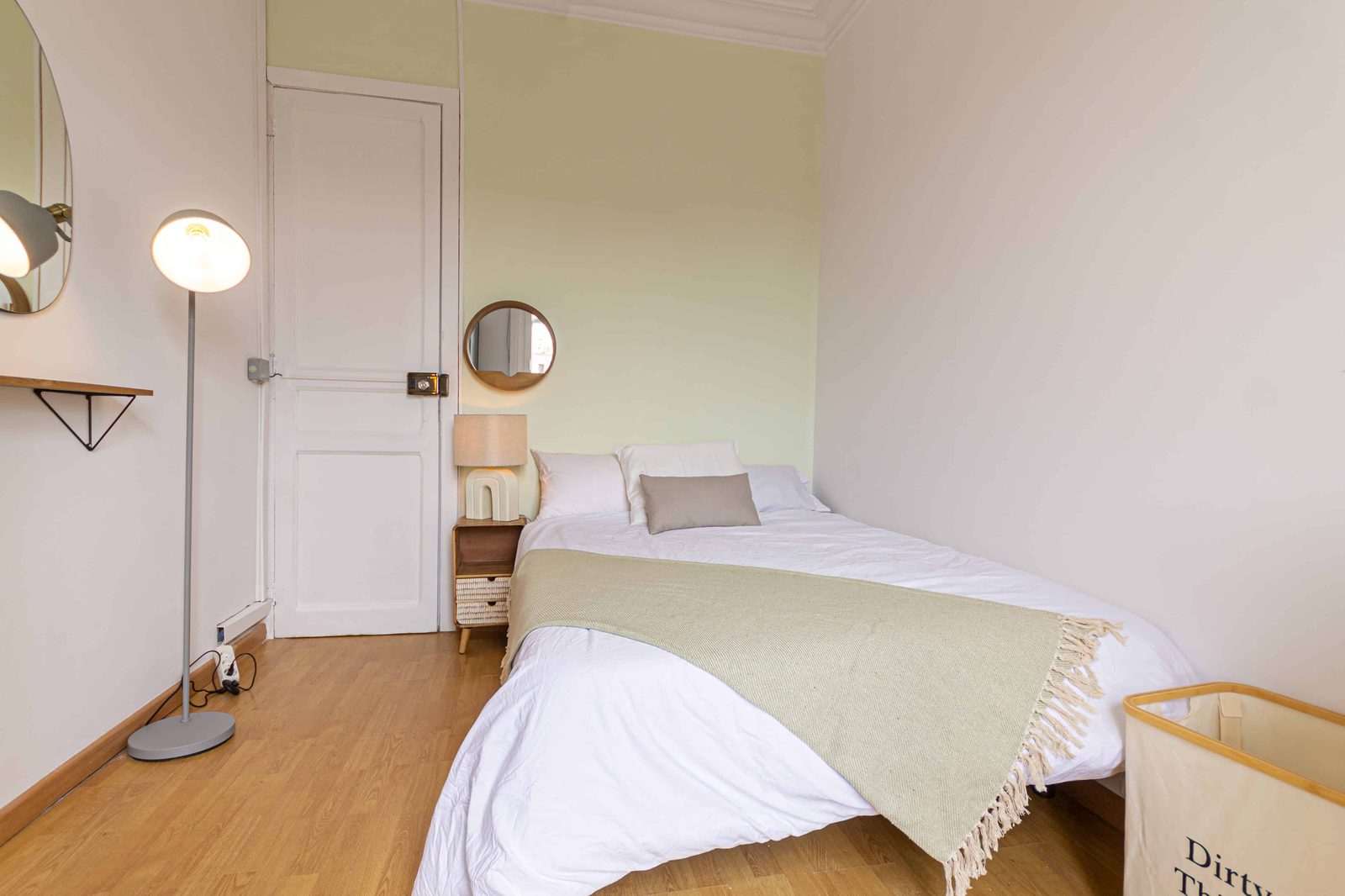
While no specific residence list is provided in the dataset, you can build a shortlist based on the university’s address and general Moscow housing patterns. The logic is:
- Proximity to metro lines serving HSE: Prioritise stations on the Sokolnicheskaya (red), Koltsevaya (brown, for circle line), and Tagansko‑Krasnopresnenskaya (violet) lines. Check commute time using Yandex.Maps or Google Maps.
- Review the building’s age and condition: Many buildings in central Moscow date from the 1950s‑1980s. Renovated apartments often cost 20‑30% more but offer better insulation and plumbing.
- Check for landlord willingness to rent to international students: Some owners require a Russian guarantor or a higher deposit. Use student‑friendly agencies or platforms that accept foreign passports.
- Prioritise neighbourhoods with grocery stores, cafes, and laundry: The area around Chistye Prudy has many 24h shops. Basmanny is quieter but still well‑connected.
- Set a maximum commute of 45 minutes one way: Longer commutes may affect your study schedule, especially during Moscow’s harsh winters (‑10°C to ‑20°C from December to February).
A sample shortlist for 2026 might include:
- Walking‑distance studios on Myasnitskaya Ulitsa itself: Uncommon but available; expect 120,000 RUB+ (indicative).
- Apartments near Chistye Prudy or Turgenevskaya metro: 15‑minute walk; 80,000‑110,000 RUB (indicative).
- Shared rooms near Sukharevskaya or Prospekt Mira: 30‑40 minute walk or 2 metro stops; 35,000‑50,000 RUB per room (indicative).
- Flats in the Sokolniki district: 25 minutes by metro; 50,000‑70,000 RUB for a studio (indicative).
Always verify current listings and negotiate rent. Use only reputable rental platforms (avoid large upfront payments). Consider short‑term rental (first month) to explore the city before committing to a year‑long lease.
Frequently Asked Questions
Can I get a university dormitory as an international student?
According to a recent student review (Md Miner Mahamud, 2022), HSE stopped providing dormitories to paid international students, reserving them only for 100% scholarship holders. While policies may have changed since that review, you should not count on on‑campus housing. Contact the HSE international office directly in 2026 to confirm current dormitory availability. For most self‑funded students, private rentals are the realistic option.
What is the average rent for a studio near HSE?
Rents depend heavily on distance and quality. For a studio within a 20‑minute walk of campus, expect 80,000‑120,000 RUB per month (indicative — confirm with the operator). A studio in a transit‑connected area (30‑40 minute commute) typically costs 50,000‑70,000 RUB. Shared rooms can be found from 25,000 RUB. Broker fees and deposits add one‑time costs of 2‑3 months’ rent.
Is it better to walk or use public transport?
Walking saves time and money but limits you to the most expensive neighbourhoods. If your budget allows 80,000+ RUB for rent, living within walking distance (under 1.5 km) is convenient, especially during winter. If your budget is lower, a metro commute of 20‑40 minutes is manageable; a monthly pass costs roughly 2,500‑3,000 RUB (indicative), which is far cheaper than the rent premium for central living. For students who value quiet, suburban areas with parks (e.g., Sokolniki) offer better value despite a longer ride.
Data in this guide is based on information available in 2026‑2027, including Google reviews posted 2‑5 years prior. All prices are indicative and should be confirmed with operators before entering any agreement.
Explore more: Browse all student housing guides