Campus Reviews: What Students Say
Newcastle University holds a 4.3 Google rating from 587 reviews, reflecting a generally positive student experience. The campus itself draws consistent praise for its safety, architecture, and welcoming atmosphere.
One reviewer, Anson Leung, gave a 5-star rating and noted: “Good education campus to uni students, there has Coop and wetherspoon for public, and friendly with other people visiting, safe area with having 24hrs uni security team.” The mention of a 24-hour security team is a practical detail for students concerned about late-night study sessions or evening commutes.
Another 5-star review from UK Bound highlights the campus environment: “A beautiful vibrant campus with amazing architecture and lovely gardens. Hope they can offer better food and more cafés.” While the campus aesthetics score well, the reviewer hints that on-campus catering options could be improved — something to consider if you plan to spend long hours at the library.
Shaiju Paul, rating 4 stars, offers a balanced perspective on location: “Very good university with some excellent courses. Right in town centre unfortunately, with parking options a bit more complex and more expensive. You are ideally better off considering parking and then walking around or alternatively considering public transport. I prefer to walk.” This points to a key trade-off: the university sits in the city centre, which is convenient for walkers but makes car parking costly and scarce.
A fourth reviewer, fairy opi (5 stars), visited for free exhibits and found the staff helpful: “They were fantastic! And the staff were lovely. They suggested other places to go during my visit.” This suggests the campus is open and welcoming even to visitors, which reflects well on the general atmosphere for students.
Overall, the reviews paint a picture of a secure, central, and visually appealing campus where walking is the preferred mode of travel, parking is problematic, and food options indoors could be better.
City Context: Newcastle upon Tyne
Newcastle upon Tyne is a compact city in northeast England, situated on the north bank of the River Tyne. The university’s main campus is located near the city centre, meaning most student housing options fall within walking distance or a short bus/metro ride. The city is known for its historic architecture, vibrant nightlife, and relatively affordable cost of living compared to London or other UK student cities.
Public transport is managed by Nexus, with the Tyne and Wear Metro connecting the city centre to suburbs like Jesmond, Heaton, and Gateshead. Bus services also run frequently. Many full-time students choose areas within a 20–30 minute walk from campus, balancing rent with commute time.
Newcastle has a large student population spread across several neighbourhoods: Jesmond (popular with undergraduates), Heaton (more affordable, further out), Sandyford (close to campus), and the city centre itself (convenient but can be noisy). The university’s own accommodation is mostly located near campus, but private rented housing dominates the market for continuing students.
Budget Bands
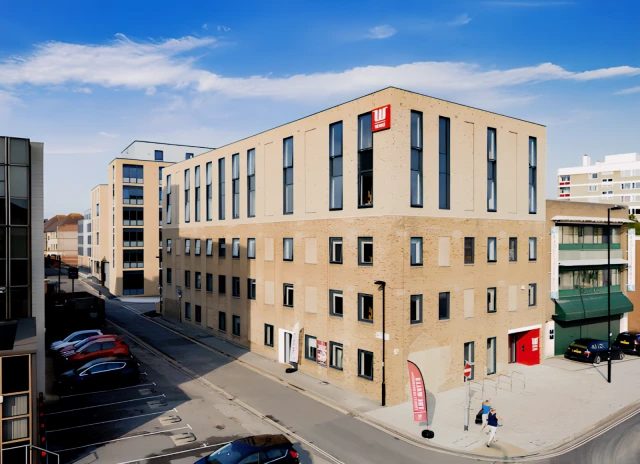
Student housing budgets in Newcastle vary widely depending on type, location, and amenities. Below is a general indication of typical weekly costs in 2026/2027 — all prices are indicative and should be confirmed with the operator.
Low budget (under £100 per week)
- Shared houses in areas like Heaton or Byker
- Often older properties, may require a bus or metro commute (15–25 minutes)
- Bills not always included; check the tenancy agreement
Medium budget (£100–£150 per week)
- En-suite rooms in purpose-built student accommodation (PBSA) or private shared houses
- Popular areas: Jesmond, Sandyford, or city centre
- Usually includes bills, Wi-Fi, and sometimes gym access
High budget (over £150 per week)
- Studios or one-bed flats in modern PBSA blocks near campus
- City centre locations or luxury developments in Jesmond
- Amenities often include 24/7 reception, common rooms, and on-site laundry
These bands are based on typical market rates in Newcastle as of 2026. Always confirm the final price with the landlord or accommodation provider, as summer/winter discounts and contract lengths vary.
Walk vs Transit Trade-off
The majority of Newcastle University students walk to campus. The university’s central location means that neighbourhoods within a 1–2 kilometre radius — such as Jesmond, Sandyford, and Spital Tongues — are easily covered on foot in 15–25 minutes. Walking removes the cost and hassle of public transport, and the city is relatively flat aside from a few gentle inclines.
For those living further out in Heaton, Byker, or Gateshead, walking becomes less practical (30–45 minutes or more). The Tyne and Wear Metro provides a fast connection from these areas: for example, from Heaton’s Chillingham Road station to Haymarket (the nearest stop to campus) takes about 10 minutes. A student metro season pass costs around £30–£40 per month (indicative — confirm with Nexus). Buses from Shields Road or Coast Road run frequently but can be slower due to traffic.
Key factors in choosing walk vs transit:
- Time: Walking 20 minutes is often faster than waiting for a bus + ride time.
- Cost: Walking is free; transit adds £100–£150 per academic year for a regular pass.
- Safety: Newcastle is generally safe, but walking alone late at night in poorly lit areas should be considered. Reviews mention a 24-hour campus security team, which adds peace of mind if you live close enough to walk.
- Weather: The Northeast can be rainy and windy; factor in whether you’re comfortable walking in all conditions.
Shaiju Paul’s review explicitly says “I prefer to walk” — reflecting a common student preference. However, if you rely on transit, note that the metro stops around 11pm, so late nights may require a taxi or longer walking.
Shortlist Logic: How to Choose Your Housing
When shortlisting housing near Newcastle University, consider the following criteria. No single list of residences is exhaustive — use these filters to evaluate any option you find.
1. Distance to campus Using Google Maps, measure the walking time from the property to the university’s main entrance (next to the Students’ Union). Aim for under 25 minutes on foot for maximum flexibility. If you plan to use the metro, check the frequency and walking time to the station.
2. Safety and security Reviews highlight the campus’s 24-hour security team. For private rentals, check whether the property has secure door entry, proper locks, and night-time street lighting. Avoid ground-floor flats with easy street access in unknown areas.
3. Inclusive bills vs separate Many PBSA (purpose-built student accommodation) options include rent, utilities, and Wi-Fi in one weekly price, simplifying budgeting. Private houses may charge rent only, with separate council tax (full-time students are exempt, but you still need to apply) and utility bills. Compare total costs, not just rent.
4. Amenities Consider whether you need on-site laundry, a common room, bike storage, or a gym. Purpose-built blocks often offer these, but they come at a premium. Shared houses may lack these but compensate with lower rent and more space.
5. Contract length and flexibility Standard contracts run 44–51 weeks. Some PBSA now offer 40-week options for first-year students who go home for summer. Check early release penalties if you plan to study abroad or leave early.
6. Reputation and reviews Check Google Reviews for specific buildings (if available). Look for recurring themes: noise, maintenance response times, and management communication. The university’s own accommodation may have fewer reviews but is generally managed centrally.
Example shortlist for a second-year student (medium budget, wants en-suite)
- Filter budget band: £110–£140 per week
- Filter location: within 20 min walk or metro + 10 min walk
- Filter type: en-suite room in a PBSA or a shared house with 4+ bedrooms
- Review at least 3 options using the criteria above
- Visit in person if possible, or request video tours
No accommodation is perfect — balance your top three priorities and make a shortlist of 3–5 properties before committing.
Frequently Asked Questions
How far from campus should I look? Most students live within a 25-minute walk from the university. Popular walking zones include Jesmond (15–20 min), Sandyford (10 min), and Spital Tongues (20 min). Areas like Heaton or Byker require a bus or metro ride and add about 10–15 minutes of travel time.
Is it cheaper to live in a shared house or purpose-built accommodation? Generally, shared houses are cheaper at the low-budget end (£80–£100 per week), but you must manage separate bills and council tax exemptions. Purpose-built accommodation at the medium budget (£110–£150 per week) includes all bills and often comes with amenities. Compare total costs — the medium PBSA may end up only slightly more expensive than a low-budget house after bills are added.
Should I bring a car? Based on reviews, parking on campus is “complex and more expensive.” The city centre is walkable and public transport is reliable for longer trips. Most students do not need a car unless you commute from outside Newcastle or require frequent travel to remote placements. If you do bring a car, check whether your rented property includes a dedicated parking space — on-street parking in Jesmond and Heaton can require a council permit (indicative cost: £50–£100 per year).
Data as of 2026. Prices and conditions are indicative — confirm with the operator before signing any contract.
Explore more: Browse all student housing guides