Housing Near RUDN University: What Campus Reviews Reveal
RUDN University (People’s Friendship University of Russia) is located in the south‑western part of Moscow, at ul. Miklukho‑Maklaya, 6. With a QS World University Ranking of 367 and a Google rating of 4.4 from over 1,500 reviews, it attracts a large international community. The university’s own website (rudn.ru) provides official information, but for students planning to study here in 2026 or 2027, understanding the local housing landscape is essential. This guide draws on actual student reviews, city context, and practical trade‑offs to help you choose where to live.
What Students Say About the Campus and Its Environment
Reviews highlight both the academic quality and the multicultural atmosphere that shape the living experience.
“As a proud alumna of People’s Friendship University of Russia, I can confidently say that my years at RUDN were some of the most enriching and transformative experiences of my life. Studying medicine at this esteemed institution provided me with a strong academic foundation, clinical exposure, and a” — Ramya Hari (5 stars)
“The best Russian university and it’s the number 1 in all Russia, in this university you will get a nice education and you will discover all the world in one university because there is more than 150 nationalities in this university #RUDN ❤️” — Ali Arrar (5 stars)
“Great university with helping staff nice and very friendly teachers and staff they are always ready to help most of the international students study here.” — V S (4 stars)
“Good academic status, brilliant teachers, traditional education, interesting and inspiring students’s life!” — Elena Greaton (5 stars)
The recurring themes are a supportive environment for international students, a diverse student body (over 150 nationalities), and a strong academic reputation. This diversity directly affects housing: many students prefer to live close to campus to be near friends and university facilities, while others choose areas with better access to Moscow’s cultural life.
Moscow as a Student City: Context for Housing Choices
Moscow is a sprawling metropolis with an extensive metro system. RUDN’s main campus lies near the Yugo‑Zapadnaya metro station (on the red line), which connects directly to the city centre in about 20–30 minutes. The surrounding Miklukho‑Maklaya Street area is a mix of Soviet‑era apartment blocks, newer residential complexes, and university buildings. It is not the tourist heart of Moscow, but it offers supermarkets, cafes, and basic services within walking distance.
Because RUDN is a large university with its own dormitories and a high proportion of international students, the immediate area has a “university town” feel. Students often meet neighbours from other countries, and English is frequently spoken on campus. For those who prefer a quieter, study‑focused environment, living near the university is convenient. For students who want to explore Moscow’s nightlife, museums, and historic sites, a location closer to the city centre (e.g., near Arbatskaya or Tverskaya) may be appealing, though it will mean a longer commute.
Budget Bands: Indicative Ranges to Consider
Accommodation costs in Moscow vary significantly by type, location, and condition. Since RUDN does not publish official price lists for private rentals, the figures below are indicative and should be confirmed with landlords or housing operators in 2026/2027.
- On‑campus dormitories: RUDN provides several dormitory buildings on or very near the campus. These are typically the most affordable option. Monthly fees for a shared room generally fall between 8,000 and 15,000 RUB (indicative — confirm with the operator). Dormitories offer a built‑in community and minimal commute, but space and privacy are limited.
- Shared apartments off‑campus: Renting a room in a shared flat within a 15‑minute walk or short metro ride can cost 15,000–30,000 RUB per month (indicative — confirm with the operator). This option gives more independence and often includes a kitchen and bathroom shared with 1–3 other tenants.
- Private studios or one‑bedroom apartments: For those seeking full privacy, studios near the university start around 35,000 RUB and can exceed 60,000 RUB (indicative — confirm with the operator). These are typically found in newer residential complexes along Leninsky Prospekt or in the Troparevo district.
No matter the budget, always factor in utility bills (electricity, water, internet) that are usually not included in the advertised rent. Additionally, consider a security deposit (usually one month’s rent) and agency fees if you use a realtor.
Walk vs. Transit Trade‑Off
Choosing between walking distance and a longer commute involves balancing cost, time, and lifestyle.
- Walkable options (0–20 minutes on foot): Properties directly on Miklukho‑Maklaya Street or the adjacent Akademika Volgina Street put you within a few minutes of the main academic buildings, the library, and the sports facilities. This saves on metro fares and gives you more time for studies or socialising. The trade‑off is that rents in the immediate vicinity can be slightly higher, and the area is relatively quiet with fewer entertainment venues.
- Short metro or bus ride (15–30 minutes one way): Neighbourhoods like Belyaevo, Konkovo, or Tyoply Stan are one or two metro stops from Yugo‑Zapadnaya. Here, rents are often more affordable, and you have access to larger supermarkets and parks. The commute is still short (under 30 minutes door‑to‑door), and you can enjoy a slightly more residential atmosphere.
- Longer commute (30–60 minutes): Students who prioritise a central Moscow location (e.g., near the Kremlin, Kitay‑Gorod, or Park Kultury) may accept a 40–60 minute journey. This makes sense if you value being close to internships, cultural venues, or a part‑time job in the city centre. However, the extra travel time and metro costs should be weighed against the benefits.
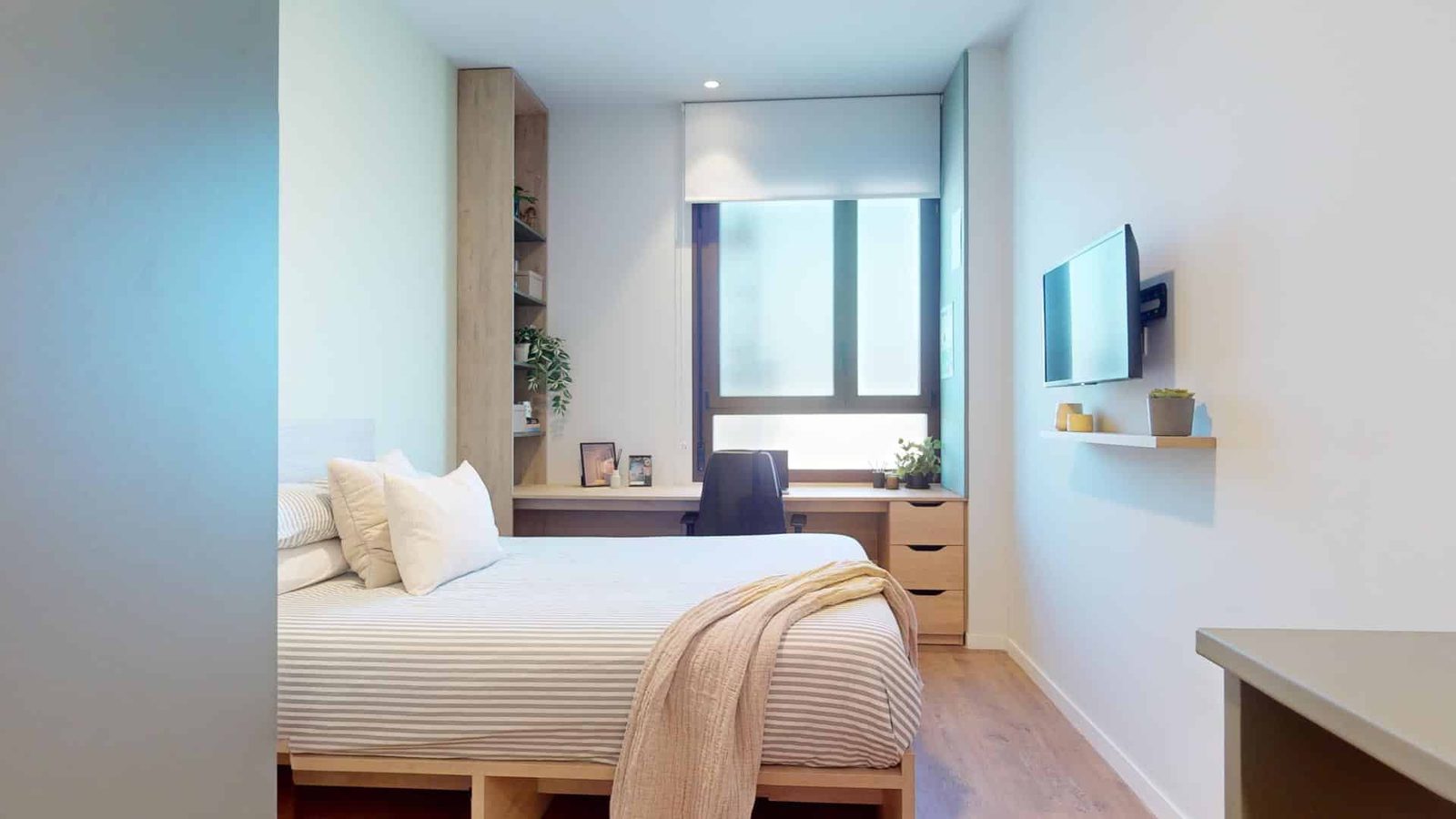
Many students find a compromise: live within a 20‑minute walk for the first year to build friendships and adapt, then move further out later to save money or explore other areas.
Shortlist Logic: How to Evaluate Housing Options
Because the article focuses on “given nearby residences” (the data set does not list specific properties, but we can outline the general categories and decision criteria), the following logic applies when shortlisting any accommodation near RUDN:
- Distance to campus: Use Google Maps or Yandex.Maps to measure walking time to ul. Miklukho‑Maklaya, 6. Anything within 1.5 km is comfortable for walking; beyond that, check whether there is a direct bus or metro connection.
- Public transport links: The closest metro station is Yugo‑Zapadnaya (red line). Also, bus routes 144, 227, and 261 connect the campus to the metro and other districts. A place near a bus stop that runs frequently can be as convenient as being near the metro.
- Neighbourhood safety and amenities: Read reviews on Google Maps for the building or street (the university itself has 1,599 reviews, a useful starting point). Look for nearby grocery stores (e.g., Pyaterochka, Magnit), pharmacies, and cafes. Students frequently mention the helpfulness of staff — a trait that extends to local shop owners and landlords.
- Contract and deposit: Always ask for a written contract in Russian and, if possible, an English translation. Clarify whether utilities are included, what the notice period is, and whether pets or guests are allowed. Many Moscow landlords require a full year’s rent upfront, so be prepared for that possibility.
- Roommates and community: If you choose a shared flat, try to meet your potential roommates beforehand. RUDN’s student clubs and social media groups (e.g., VKontakte, Telegram) can help you find flats with other international students.
When you have a shortlist of two or three options, visit each in person or ask a friend to check the property before signing. Rely on the university’s International Office for advice — they often maintain lists of reputable landlords.
Frequently Asked Questions
Q1: Is it better to live on campus or off campus for a first‑year student at RUDN?
On‑campus dormitories are strongly recommended for new international students because they provide an immediate social network, a safe environment, and the shortest possible commute. Reviews repeatedly mention the supportive staff and the multicultural atmosphere, which you can experience fully in a dorm. Off‑campus housing offers more privacy and independence, but it requires you to navigate Russian bureaucracy (registration, contracts) independently. Many students start in a dorm for the first semester and then move out after they have made friends and learned the city.
Q2: How much should I budget for monthly rent near RUDN in 2026/2027?
As a rough guide, a shared dormitory room costs 8,000–15,000 RUB per month (indicative — confirm with the operator). A room in a shared flat 15–30 minutes away might cost 15,000–25,000 RUB. A private studio within walking distance can be 35,000–50,000 RUB. These are only indicative — actual prices depend on the exact location, building condition, and season (rents often rise in August–September). Always verify with the landlord or operator before committing.
Q3: What are the best areas for students who want a balance of affordability and convenience?
The most popular areas for RUDN students include:
- Miklukho‑Maklaya Street itself: Maximum convenience, moderate rent.
- Belyaevo district (one metro stop away): Slightly cheaper, good amenities, and a 10‑minute metro ride to campus.
- Troparevo: A bit further (two metro stops) but newer residential buildings and a large park (Troparevsky Park) for recreation.
- Yugo‑Zapadnaya surroundings: Immediate metro access but rents can be higher due to demand.
Each area has its own trade‑offs, so visit a few before deciding.
Data as of 2026. Prices and availability are subject to change — always confirm directly with the housing operator.
Explore more: Browse all student housing guides