Living Near Tilburg University: A Practical Housing Guide for 2026–2027
Tilburg University, ranked 347th globally in the QS World University Rankings, is located at Warandelaan 2 in the southern Netherlands. The campus has a Google rating of 4.2 based on 407 reviews. While the university itself is compact and green, finding suitable housing requires understanding the local market. This guide uses real student reviews, city context, and practical trade-offs to help you plan your accommodation for the 2026–2027 academic year.
What Campus Reviews Reveal About the Area
Four student reviews provide direct insight into life at Tilburg University. These are not endorsements but observations that can inform your housing decisions.
Ilias Paraskevopoulos (rating: 5, 4 months ago):
“I was an international student from 2019 to 2020. It was a true paradise, great environment, disciplined and structured courses – with teamwork. Sure it wasn’t perfect but the jest of it deserves a 5/5.”
Shelana P (rating: 4, 4 years ago):
“Nice quiet campus during holiday time. Lots of trees. Library is a great place to study as well as the CUBE. And nice to have the restaurant in Esplanade. As well as Mensa. For being a café on campus … the prices are very reasonable.”
Piengnapa Pakuthai (rating: 4, 2 years ago):
“A compact university. Good things are you can walk around the uni quickly and you can see trees everywhere. Forest at the back is the best. The only thing I would complain is limited choices of food for students.”
Jahidul Sourav (rating: 5, 10 months ago):
“Excellent research university that has sprawling area. You can really learn and grow here.”
Key takeaways for housing:
- The campus is compact and walkable – you can reach all facilities on foot quickly.
- Green spaces (trees, forest) are a strong feature, which may appeal if you value nature.
- Food options on campus are limited, so living near a supermarket or with a kitchen is practical.
- The “quiet campus during holiday time” suggests that the surrounding residential areas are similarly calm outside term.
City Context: Tilburg as a Student City
Tilburg is a mid-sized city in the province of North Brabant, with a population around 220,000. It is not as internationally famous as Amsterdam or Rotterdam, but it has a strong student scene driven by Tilburg University and various applied sciences colleges. The city centre is about 15 minutes on foot from campus, with supermarkets, cafes, and shops concentrated around the Heuvel and the Pieter Vreedeplein.
Public transport is managed by Arriva (buses) and NS (trains). The central station (Tilburg Centraal) is a 20-minute walk or a 10-minute bus ride from the university. Biking is the dominant mode of local transport – the Netherlands has dedicated cycle paths, and most students own or rent a bike.
The housing market in Tilburg is competitive but generally less pressured than in larger Dutch cities. Studios and rooms in shared apartments are the most common options for international students. The average rent for a room in a shared house is between €400 and €600 per month (indicative – confirm with the operator). A studio or one-bedroom apartment ranges from €600 to €900 per month (indicative – confirm with the operator). Prices may vary depending on location, quality, and whether utilities are included.
Budget Bands for 2026–2027
Rents in Tilburg fall into three broad categories. All prices are indicative – confirm with the operator before committing.
- Economy (€350–€500 per month, indicative): Room in a shared house, often with a shared kitchen and bathroom.
- Mid-range (€500–€750): Private room in a student house, small studio, or self-contained flat.
- Premium (€750–€1,100): Modern studio or one-bedroom apartment near campus or the city centre.
Note: Housing costs usually exclude utilities (electricity, heating, internet) unless stated otherwise. Expect an additional €80–€150 per month for these.
The university itself does not guarantee accommodation for all students, though it partners with some housing providers. Many students find rooms through private rental platforms or Facebook groups. Be cautious of deposits and always sign a contract.
Walk vs Transit Trade-off
Walking Distance to Campus
The university is located in the western part of Tilburg, near the suburbs of De Reit and De Blaak. If you live within a 1.5 km radius, walking takes 10–20 minutes. Areas within easy walking distance include:
- De Reit (south-west of campus): quiet residential, mainly houses and low-rise apartments.
- De Blaak (west): similar, close to the forest.
- University Quarter (north-east of campus): closer to the city centre, with more shops and restaurants.
Walking is free, healthy, and reliable – no delays. The trade-off is that rents within walking distance tend to be slightly higher (mid-range to premium) because of convenience.
Transit (Bike, Bus, Train)
Most students cycle. Biking from the city centre to campus takes about 5–8 minutes. From Tilburg West station (a few stops from Tilburg Centraal) to campus is less than 10 minutes on foot. Buses run from the central station to campus (lines 1, 2, 3, 4, 5, 6 – check current timetables) with a journey time of 8–10 minutes. A bus ticket costs around €2–€3 per single ride (indicative – confirm with operator), or you can buy a monthly pass for about €60–€80.
Living further out (e.g., in the Reeshof district or near Tilburg Universiteit station) lowers rent – economy band rooms are more common there. The trade-off is time: a commute of 15–20 minutes by bike or 20–30 minutes by bus. If you rely on public transport, check the frequency, especially in the evening and weekends.
Decision Matrix
- Walk-only: best if you value a short commute and don’t mind paying a little extra. Suitable for morning classes.
- Bike: the sweet spot for most students – you can live in cheaper areas (east of the city, like Vruchtenbuurt or Broekhoven) and still reach campus in 10–15 minutes.
- Bus: fine for occasional use, but a bike is more flexible and cost-effective in the long run.
Shortlist Logic for Choosing a Residence
Without naming specific providers, here is a logical process for shortlisting housing options near Tilburg University:
- Prioritise proximity to campus if you have early or late classes.
The campus is compact, so any residence within a 15-minute walk will likely be mid-range in price. Look for listings that mention “Wandelend naar de universiteit” (walking to the university) or “5 min fietsen” (5 minutes by bike). - Check the lease term.
Many student rooms are rented for the academic year (August/September to June/July). If you need accommodation for a shorter period (e.g., a single semester), look for sublets or rooms marked “tijdelijk” (temporary). Always clarify the exact move-in and move-out dates. - Consider shared facilities.
A room in a shared house (studentenhuis) often includes a shared kitchen, bathroom, and common area. This can lower rent and give you a social network, but you have less privacy. If you prefer solitude, a studio or apartment is better – expect to pay at least €600 per month (indicative – confirm with operator). - Look for utility-inclusive rents.
Some landlords bundle water, electricity, internet, and gas into the rent. This simplifies budgeting. Ask explicitly: “Is de huur inclusief of exclusief gas, water, licht en internet?” (Is the rent inclusive or exclusive of utilities?) - Check the neighbourhood for amenities.
The campus has limited food choices (as noted by a reviewer). Living near a supermarket (e.g., Albert Heijn, Jumbo) or a market is practical. The city centre (around Heuvel) has multiple supermarkets, a weekly food market on Saturdays, and budget-friendly restaurants. - Verify the commute time using real data.
Use Google Maps or a cycling app to check the route during peak hours. A 10-minute bike ride in the Netherlands is vastly different from a 10-minute bus ride. Ask the landlord or current tenant for an honest estimate. - View the room in advance (or do a video tour).
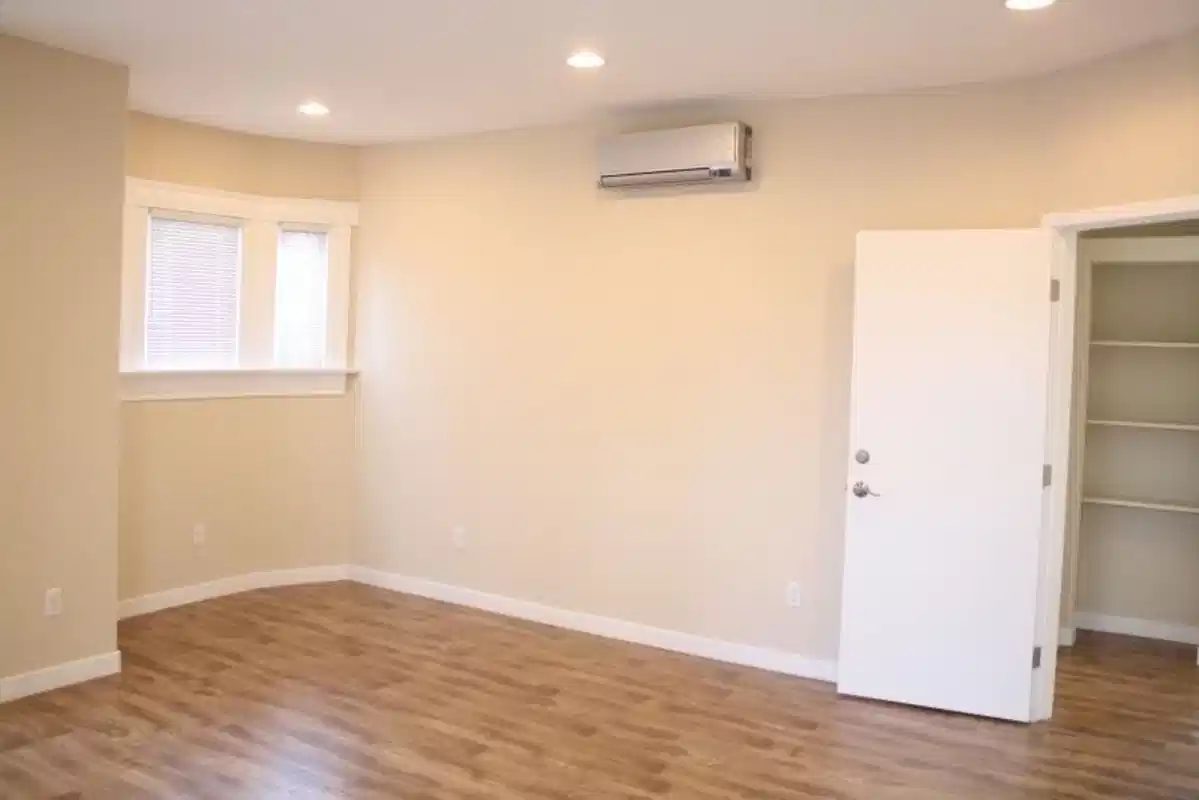
Photos can be misleading. If you cannot visit, request a live video call with the landlord or current flatmates. Check for mold, dampness, and the condition of the kitchen and bathroom. - Be aware of registration rules.
In the Netherlands, you must register your address with the municipality (gemeente) if you live there for more than 4 months. Ensure the landlord allows registration (inschrijven) – some illegal sublets do not. Without registration, you cannot get a Dutch bank account, healthcare insurance, or a BSN number. - Compare offers from multiple sources.
Do not settle on the first option. The market changes quickly in spring and summer. Write down the rent, deposit (usually 1–2 months’ rent), and additional costs for each shortlist item. Use a simple table in your notes to compare. - Factor in bike purchase or rental.
A second-hand bike costs around €100–€200 (indicative – confirm with seller). Some student housing includes a bike shed. If you plan to cycle, make sure your residence has secure storage.
Frequently Asked Questions
Q1: Is it possible to find housing near Tilburg University without a bike?
Yes, but you will be limited to areas within a 15–20 minute walk. Many students do walk, especially those living in De Reit, De Blaak, or near the university quarter. However, a bike dramatically widens your affordable options. If you cannot bike, consider living close to a bus stop on line 1, 2, or 3 that goes directly to campus. Check the bus schedule for weekends and evenings – some routes are less frequent after 10 p.m.
Q2: What is the typical deposit for a student room in Tilburg?
Deposits are usually one or two months’ rent (indicative – confirm with operator). For example, a room costing €500 per month may require a deposit of €500–€1,000. The deposit should be returned within 30 days after you move out, minus any documented damages. Protect yourself by taking dated photos of the room upon arrival and keeping the inventory report.
Q3: When should I start looking for housing for the 2026–2027 academic year?
The most competitive period is from April to August, when incoming students search simultaneously. Start searching in February or March if possible. Many rooms are listed 3–6 months before the start date. Some housing platforms open applications for the next academic year as early as February. If you are flexible with your arrival date (e.g., late August) and can accept a room that becomes available earlier, you may find lower prices. Always confirm the exact start date with the landlord.
2026-01-15
Explore more: Browse all student housing guides