Campus Reviews: What Students Say About Tor Vergata
The Università degli Studi di Roma – Tor Vergata sits in the eastern outskirts of Rome, with a campus that has drawn mixed reactions over the years. Among the reviews available, two themes emerge: appreciation for the physical environment and frustration with administrative responsiveness.
One student, Muhammad wasif ali, gave a 5-star rating and wrote: “Most amazing university with good architecture and education.” Another, Ujwal shyam Kantimohanty, echoed that sentiment: “Definitely putting some international standards.. .!” These comments suggest that the campus itself—modern buildings, open spaces, a layout that feels more like a small university town than an urban campus—creates a positive first impression for many.
However, several reviews point to serious communication problems. Gleb S, who gave 1 star, wrote: “i really wanted to enter this uni, but neither email nor telegram channel did nothing to provide necessary information, website is useless, i wonder how it is possible to have such fees and have no desire to help potential students. shame!” Similarly, ARKAR NYEIN CHAN gave 1 star and described: “Unprofessionally handling my foundation program application which I have uploaded my documents on their students platform. I applied on 17th July with registration payment. Since then they have not sent me an email whether I got accepted or not.”
While these reviews focus on admissions and information flow, they carry a clear lesson for incoming students: if the university’s own communication is unreliable, you will need to be self-sufficient when arranging housing. Relying on the institution for housing leads or assistance may not work well; instead, research accommodation independently and verify every detail with the operator before committing.
City Context: Rome and the Tor Vergata District
Rome is Italy’s capital and largest city, a global centre for history, culture, and education. The Tor Vergata campus is located at Via Cracovia, 50, in the 00133 postal area, roughly 15–20 kilometres east of the historic centre (Colosseum, Termini Station). This is not the central Rome most tourists see. The surrounding neighbourhood, often referred to as the Tor Vergata university district, is a mix of residential blocks, commercial strips, and green areas like the Parco di Tor Vergata.
The university is a major employer and student hub in this part of Rome, but the immediate vicinity has limited student housing stock compared to central neighbourhoods like San Lorenzo or Trastevere. Most students choose to live either close to campus (within walking or cycling distance) or in the eastern suburbs along the Rome–Lido railway or metro Line C. Commuting from the city centre is possible but time-consuming—typically 40–60 minutes by public transport.
Given the university’s academic reputation (QS World University Ranking 355) and its focus on science, medicine, economics, and engineering, the student body is diverse, including a significant number of international students. This mix creates demand for rental accommodation across a range of budgets, from shared flats to private studios.
Budget Bands for Student Housing
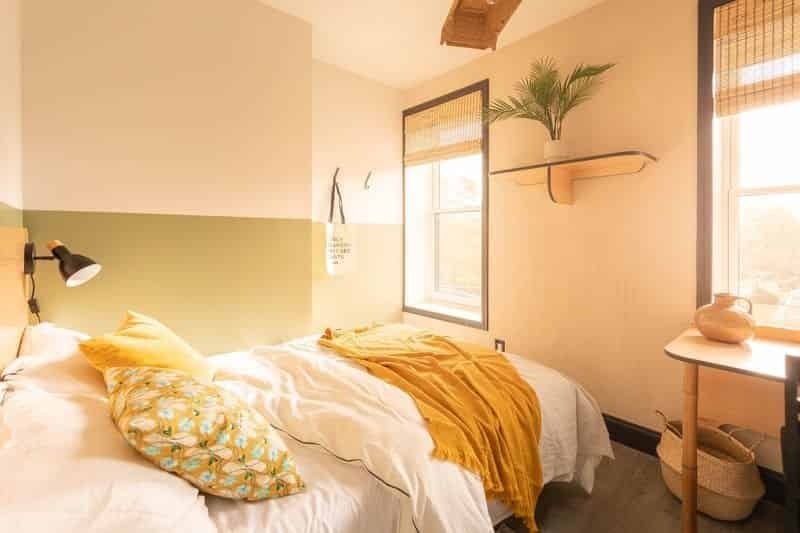
Rental prices near Tor Vergata are generally lower than in central Rome, but they still vary considerably depending on distance from campus, property condition, and contract type. Below is a factual breakdown of typical budget segments for the 2026/2027 academic year. All prices are indicative — confirm with the operator before signing any agreement.
- Economy (e.g., shared room in a flat)
Cost: approximately €350–€500 per month per person (bills often separate).
Typical setup: 2–4 students sharing a flat within 2–4 km of campus, reachable by bus or bicycle. Good for students on tight budgets who don’t mind sharing common areas. - Mid-range (single room in a shared flat or small studio)
Cost: approximately €500–€700 per month (bills included or extra).
Typical setup: a private room in a flat with shared kitchen and bathroom, or a very small studio (monolocale) within walking distance or a short bus ride. Most international undergraduates aim for this band. - Premium (private one-bedroom apartment or residence)
Cost: approximately €700–€1,100 per month (utilities usually included in purpose-built student residences).
Typical setup: a self-contained unit with kitchen and bathroom, often in a managed building with cleaning, Wi-Fi, and sometimes a gym. Best suited for postgraduate students or those who need quiet study space. - Luxury / family-size (two-bedroom or more)
Cost: €1,200+ per month.
Uncommon for single students, but may be shared by two people. Available in new residential developments near the Tor Vergata hospital area.
Note: Utility costs (electricity, gas, water, internet) typically add €50–€100 per month. Contract registration taxes (cedolare secca) and deposits (usually 2–3 months’ rent) are standard. Always ask for a written contract in Italian and English if possible.
Walk vs Transit Trade-Off: Choosing Your Location
The Tor Vergata campus is not in a dense city centre; it is a standalone university complex surrounded by green buffers and scattered residential zones. This layout forces a clear trade-off between proximity and price.
Walking distance (0–2 km from Via Cracovia)
Properties within a 15–20 minute walk to lectures are limited to a few streets (e.g., Via di Tor Vergata, Via Columbia). These are mostly small apartment blocks and some purpose-built student residences. Walking saves time and money on transport (€1.50 per bus ticket adds up). However, the immediate area is quiet—few bars, restaurants, or supermarkets within easy walking distance. You may need a short bus ride for groceries or social life.
Short commute (bus / bicycle, 2–5 km)
Areas like Torre Angela, Grotte Celoni, or the stretch along Via Casilina offer more rental options and slightly lower rents. A 10-minute bus ride or 15-minute cycle gets you to campus. Bicycle infrastructure is improving but not comprehensive; a good lock is essential. Bus lines 20, 500, and 502 connect these zones to the university.
Longer commute (metro + bus, 5–10+ km)
If you prioritise the city centre lifestyle, you might live near the Roma Termini or San Giovanni (metro Line A or B) and take a combination of metro and bus (about 40–60 minutes one way). Rent in central areas is significantly higher for a smaller space, but you gain access to Rome’s cultural amenities, nightlife, and part-time job opportunities. The trade-off is clear: more time on transport versus more things to do off campus.
Practical advice
- Check the public transport route ahead of time. The nearest metro stop is Tor Vergata (Line C) — but it’s about a 20-minute walk from the main campus. A feeder bus runs frequently.
- Many students use a combination: live within 3 km and own a bicycle or scooter. Rome’s traffic can be heavy, so two wheels often beat four.
- Confirm the night-time transport schedule if you attend late classes or study groups.
Shortlisting Housing Options: Logic and Criteria
Given the lack of a centralised university-managed housing list, you will need to evaluate off-campus options based on the following logic. Use these criteria to build your shortlist.
1. Distance to your faculty building
Tor Vergata is not a single monolithic campus; faculties are spread across the area. Check which building your lectures are in—science and medicine are on one side, economics and engineering on another. Choose housing that minimises walking from the nearest bus stop or parking spot.
2. Contract type and length
- Temporary (10–12 months): typical for a single academic year. Most landlords require a contract from September/October to July/August.
- Long-term (multiple years): possible but less common for international students.
- Student residences: usually offer 12-month contracts with cancellation clauses. Confirm whether you can sublet or cancel early if you leave.
3. Included services
For shared flats, check whether utilities are included in the rent or billed separately. For residences, ask about cleaning frequency, internet speed, and whether a deposit is refundable in full.
4. References and reviews
Before signing, search for the property address on Google Maps or student forums. Look for reviews mentioning noise, maintenance, and landlord responsiveness. In Rome, dealing with a disengaged landlord can be as frustrating as the university’s administrative issues highlighted in the campus reviews.
5. Budget buffer
Leave at least 10% of your monthly allowance for unexpected costs: transport passes (€35/month for under-26 unlimited bus/metro), grocery inflation, and one-off fees like the Italian tax stamp (marca da bollo) on contracts.
Sample shortlisting process (using hypothetical nearby options)
Note: The following are illustrative examples only. Actual availability and prices change frequently. Always confirm with the operator.
- Residence near Via di Tor Vergata – 10-minute walk to Economics faculty. Single room in a managed building with Wi-Fi and weekly cleaning. Indicative price: €650/month (all bills included). Suitable for a mid-range budget.
- Shared flat near Grotte Celoni – 15-minute bus ride to campus. Double room available (shared with one other). Indicative price: €400/month plus bills (~€100). Suitable for economy budget.
- Studio near Torre Angela metro – 20-minute total commute (bus + metro walk). Private studio, furnished, with small kitchen. Indicative price: €580/month plus utilities (~€70). Suitable for mid-range with preference for independence.
When shortlisting, rank options by: (a) commute time, (b) total monthly cost, (c) contract flexibility. Contact at least three operators and request a virtual tour or video of the actual unit.
FAQ
1. Is it better to live on campus or off campus near Tor Vergata?
Tor Vergata does not have a large on-campus dormitory system managed by the university. Most students live off campus in private flats or residences. There are a few private residence halls close to the campus (e.g., near Via Columbia), but they tend to fill early. For 2026/2027, start searching in March–April to have more choices.
2. How much should I budget for utilities and transport per month?
Utilities (electricity, gas, water, internet) for a shared flat typically cost €50–€100 per person. A monthly public transport pass for under-26 students is €35 (unlimited bus and metro within Rome). If you cycle, initial bike cost is €150–€300 plus a good lock (€20–€40). All prices are indicative — confirm with the operator or transport authority.
3. What documents do I need to rent a room in Rome?
Landlords usually require: valid passport or identity card, Italian tax code (codice fiscale), proof of enrolment or acceptance letter, and sometimes a guarantor (fideiussione) or deposit equal to 2–3 months’ rent. Some international students use a bank guarantee. Always ask for a written registered contract (contratto registrato) to protect your rights.
Data correct as of May 2026. Prices and availability are indicative — confirm with the operator before making any payments.
Explore more: Browse all student housing guides