What Campus Reviews Reveal
The Universität zu Köln consistently earns praise from international students for its teaching quality and welcoming atmosphere. A recent Erasmus student, Ron Shenkar, gave five stars and wrote: “One of the best years of my life. The University was equipped with everything I needed as an Erasmus student in the faculty of Medicine, teaching was high quality, there was a real sense of camaraderie. There is nothing I would change.” Another five-star reviewer, Eliott Shrestha, called it: “Best destination for Erasmus. Exemplary international student office (fast, professional, high-quality) and impressively friendly. Excellent, internationally renowned Professors who are passionate about their field and very welcoming to Erasmus students.”
However, not all experiences are perfect. A one-star review from Mina Aldulaimi details an administrative frustration: “I applied for the MBA in Supply Chain Management at the University of Cologne. The official site said the minimum required grade was 2.7, so I paid €70 for the VPD and submitted my application—my grade was better than 2.7. I was automatically rejected. When I asked why, they said: ‘Yes, the required…’” (the review cuts off, but the tone is clear). A four-star reviewer, A A, appreciated the courses and faculty but noted: “One thing is it takes a longer duration for course completion due to the number of students that are enrolled here. The international ranking of the University is pretty decent too.”
These reviews highlight two key points for housing seekers: the university attracts a large student body (over 50,000 students), which can affect course scheduling and also competition for housing. The positive campus atmosphere suggests that finding a place in a good neighbourhood can complement the overall student experience. For the 2026/27 academic year, expect demand to remain high for accommodation near the main campus at Albertus-Magnus-Platz.
City Context: Cologne as a Student Hub
Cologne (Köln) is Germany’s fourth-largest city, with a population of about 1.1 million. It is a major cultural and economic centre on the Rhine River, known for its cathedral (Kölner Dom), media industry, and lively nightlife. The city is well-connected by tram, S-Bahn, and buses. The university’s main campus is in the district of Sülz and Lindenthal, about 2–3 km southwest of the city centre.
For international students, Cologne offers a relatively affordable cost of living compared to Munich or Frankfurt, though rents have been rising. A single room in a shared flat (WG-Zimmer) typically costs between €400 and €650 per month (indicative — confirm with the operator). One-bedroom apartments can range from €600 to €1,000+. The university itself does not guarantee housing, so students must arrange accommodation independently — often through the Studierendenwerk Köln (the regional student services organisation) or the private market.
The city’s public transport system (KVB) covers all districts. Most students live within a 15–40 minute commute. The international student office is praised in reviews for being “fast, professional, high-quality,” which also means they can provide guidance on housing matters. Start your search early — ideally three to four months before the semester starts in October 2026 or April 2027.
Budget Bands for Student Housing
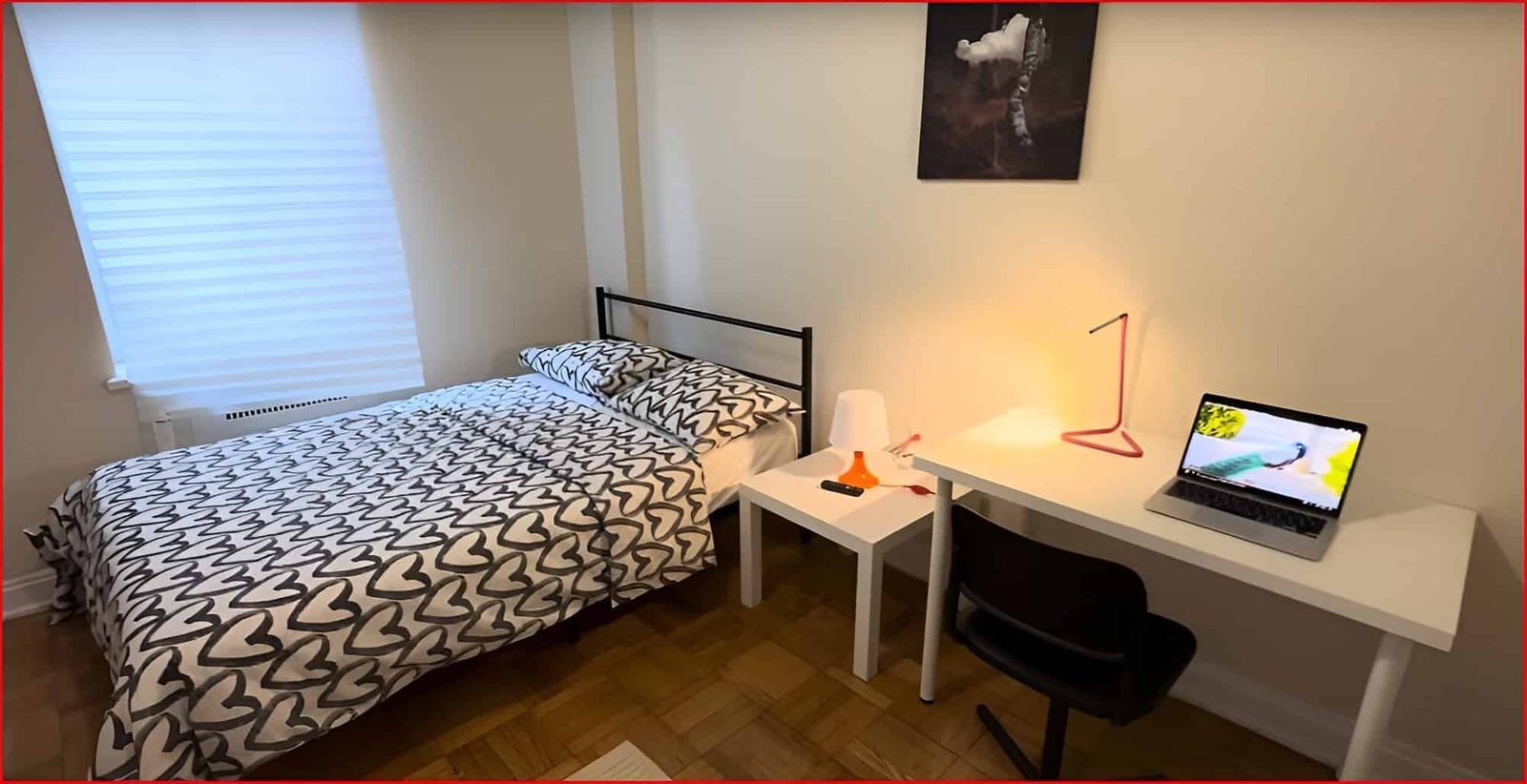
When planning your housing budget for 2026/27, consider three rough bands:
Low Budget (€350–€500 per month)
This typically buys a room in a shared apartment or a small room in a student dormitory run by Studierendenwerk. Expect a shared kitchen and bathroom, and a commute of 20–40 minutes by public transport. Rooms in outer districts like Ehrenfeld, Nippes, or Mülheim fall into this range. Some private WG (Wohngemeinschaft) rooms near the university may be slightly higher.
Mid Budget (€500–€700 per month)
A room in a well-located WG (closer to campus or in trendy districts like Südstadt, Belgisches Viertel, or Neustadt-Süd) or a small studio apartment (Einzimmerwohnung) in a less central area. The commute can be under 20 minutes. This bracket often includes furniture, internet, and utilities in the rent (warm rent). Private landlords in Lindenthal and Sülz often ask €500–€650 for a room.
Upper Budget (€700–€1,100 per month)
A private one-bedroom apartment near the university (within a 10–15 minute walk) or a larger WG with your own room. Newer developments, fully furnished apartments, or places with balcony/rooftop access fall here. Some students opt for this to avoid shared living. Note that prices near the main campus in Lindenthal/Sülz can be €800+ for a 30 m² apartment.
All prices are indicative — confirm with the operator.
Walk vs Transit Trade-off
Most students choose between walking distance to the main campus (Albertus-Magnus-Platz) and a short commute by tram or bike.
- Walking distance (0–1.5 km): Neighbourhoods like Sülz, Lindenthal, Klettenberg, and parts of Neustadt-Süd. You can reach most lecture halls in under 15 minutes on foot. These areas are quiet, green, and popular with students. Rent is higher, and flats are often older but well-maintained. Availability is limited; start searching at least three months before your arrival.
- Public transit commute (10–30 minutes): Areas like Ehrenfeld, Nippes, Deutz, or Mülheim. A monthly student public transport ticket (Semesterticket) covers all local travel and costs around €200–€250 per semester (2025/26 rate, likely similar for 2026/27). Riding a bike is also common — Cologne is flat and has good bike lanes. A 20-minute tram ride from Ehrenfeld to the main campus is fast and reliable.
- Biking: Cologne is bike-friendly. A 4 km ride from Ehrenfeld takes about 15 minutes. Biking can save money and time, especially during peak hours when trams are crowded.
The trade-off is clear: walk if you value time and convenience over cost; take transit if you want lower rent and don’t mind a short journey. The university’s location makes both options viable.
Shortlist Logic for Nearby Residences
When evaluating specific housing options near the Universität zu Köln, follow this logic using the typical types of accommodation available:
- Prioritise proximity to your faculty. The main campus is concentrated in Sülz/Lindenthal. If your courses are in the “Campus Innenstadt” (near the cathedral) or at the “Klinikum” (university hospital in Lindenthal), adjust accordingly. Check your faculty building address on the university website.
- Start with Studierendenwerk Köln. They offer dormitory rooms starting at €300–€500 per month (indicative — confirm with the operator). Waitlists are long, so apply as soon as you receive your admission letter. Dormitories are located across the city: “Studentendorf” in Lindenthal, “Friedrich-Schmitt-Str.” in Sülz, and newer buildings in Ehrenfeld. A typical room is about 15–20 m² with shared kitchen and bathroom.
- For private WG rooms, search on local platforms. Look for listings in Sülz (postcodes 50931, 50937), Lindenthal (50935, 50937), and Klettenberg (50939). These areas are within a 10–15 minute walk or a short tram ride. Average budget: €450–€600 for a WG room.
- Consider a temporary arrangement first. A short-term rental (e.g., via Airbnb or a furnished sublet for the first 2–3 months) gives you time to visit flats in person. This is especially wise if you cannot travel to Cologne beforehand.
- Check reviews of the landlord or building. If a listing has reviews on the housing platform, read them carefully. Watch for complaints about noise, maintenance, or heating.
- Factor in the semester ticket. You do not need to live within walking distance. Many students happily commute 25 minutes from Ehrenfeld (more affordable, vibrant nightlife) and use the free public transport.
- Avoid very cheap rooms that seem too good to be true. Scams are common. Never pay a deposit before seeing the room or signing a legitimate contract. The university’s International Office can help verify reputable providers.
This shortlist logic will help you filter the dozens of listings you find. For the 2026/27 academic year, demand will be high — expect to apply to multiple places and attend several viewings.
FAQ
Q: When should I start looking for housing near the University of Cologne?
A: Begin searching three to four months before your intended start date. For the winter semester (starting October 2026), start in June/July. For the summer semester (starting April 2027), start in December/January. Dormitory applications through Studierendenwerk should be submitted as soon as you have your admission letter — ideally right after you receive it.
Q: Is it cheaper to live in a student dormitory or a private WG?
A: Dormitory rooms are generally more affordable (€300–€500, often including utilities) but come with shared facilities and waiting lists. Private WG rooms range from €400 to €650, and you have more choice over location and flatmates. The total cost can be similar if you factor in utilities and internet, but dormitories often offer better value for money if space and privacy are not your top priority.
Q: How can I avoid housing scams when renting near the university?
A: Never transfer money without seeing the property in person or via a live video tour. Be cautious of landlords who ask for a deposit before a contract is signed. Use official channels: Studierendenwerk, reputable platforms, or referrals from the International Student Office. If a deal seems too good to be true, it probably is. The university’s website also lists trusted resources.
Data as of 2025. Rental prices are indicative for the 2026/27 academic year — always confirm with the operator.
Explore more: Browse all student housing guides