Housing Near the University of Birmingham: A Practical Guide for 2026-2027
Finding suitable accommodation is one of the most important decisions you will make as a student. This guide focuses on the University of Birmingham, looking at what the campus is really like according to student reviews, what Birmingham offers as a city, how to think about budget and location, and how to shortlist from the residences available nearby.
All prices given are indicative and must be confirmed with the operator before you make any commitment. The information is based on data available for the 2026-2027 academic year.
What the Campus Reviews Reveal
The University of Birmingham campus is not just a place to attend lectures; it is a self-contained environment where students spend a significant part of their day. Google reviews with a 4.5 rating from over 1,500 reviews give a strong indication of general satisfaction. Four specific reviews from current and former students and visitors provide a deeper, more personal look.
Positive student experience and a unique transport advantage
One reviewer, Valentina Ezeneche, gave the university five stars and noted: “I love the fact that the university has its own train station. This is a fantastic advantage for students and healthcare workers, particularly because of its close proximity to the Queen Elizabeth Hospital. The campus is beautiful, well maintained, and designed with both functionality and comfort.”
This is a critical point. The University railway station (University station) sits right on campus. This means you do not need a bus or a car to reach the main train line. It connects directly to Birmingham New Street station in about 10 minutes, and also runs to other parts of the city and region, including the Queen Elizabeth Hospital, which is adjacent to the campus. For students in healthcare, medicine, or allied sciences, this advantage cannot be overstated.
Campus facilities and a note on current limitations
Ken Lloyd, a four-star reviewer, observed: “The campus is extensive and the facilities are excellent. At present I have not given the fifth star as the Barber Institute is not open. The art gallery is one of the gems of the University and a visit is highly recommended. The old buildings included the clock tower and the great hall are the most…”
This review highlights that while the campus is well-regarded, local circumstances can change. The Barber Institute of Fine Arts, an art gallery and concert hall, was closed at the time of this review. You should check current opening times for such facilities before you arrive. The mention of “old buildings including the clock tower and the great hall” refers to the iconic Joseph Chamberlain Memorial Clock Tower (Old Joe), a landmark visible from much of the city, and the Great Hall, which is used for ceremonies and exams.
Significant campus redevelopment and modern living
A former student, Raymond Hor, returned after 34 years and left a five-star review: “Was a student here and graduated in 1991. Back here after 34 years. Pretty surreal. Lots of changes especially The Vale. Student accommodation totally rebuilt and looks modern and comfortable. The old library has been replaced with a new building and Muirhead Tower somehow enhanced but still looks u…”
This is a very useful observation. The Vale is the university’s main cluster of halls of residence, which has been extensively redeveloped. This indicates that the on-campus accommodation stock is generally modern. However, this guide is about housing near the university, and knowing that the university has invested in new buildings on its own land helps you compare the age and condition of private housing against the newer campus stock. The new library (the Main Library) and the enhanced Muirhead Tower are important study spaces on campus.
Architecture and walking experience
Hari S Kumar, who visited and left a five-star review, said: “Visited the University of Birmingham recently and was genuinely impressed by the campus. The architecture is a beautiful blend of historic charm and modern design—Redbrick buildings with character, alongside sleek new facilities. Walking through the grounds felt inspiring, with well-kept gardens and…”
The “Redbrick” style is historically significant. The University of Birmingham is one of the original “red brick” universities, a term that originated from the style of its Victorian-era buildings. The campus is large, but it is walkable. The main teaching buildings are concentrated in the eastern half of the campus, while the Vale halls are to the north-west. Understanding the campus layout helps you decide where you want to live – closer to the train station, or closer to the Vale and the sports facilities.
City Context: Birmingham as Your Host City
The University of Birmingham is situated in Edgbaston, a leafy suburb about 2 miles south-west of Birmingham city centre. The city itself is the second-largest in the UK, with a population of over 1.1 million. It is a major transport hub (with excellent rail connections to London, Manchester, and Scotland), a centre for business, and a multicultural city with a strong food scene and diverse communities.
Transport links
The university’s own train station gives you a direct, frequent service to Birmingham New Street (the main city centre station) in about 8-10 minutes. From New Street, you can reach the Bullring shopping centre, the Birmingham Museum and Art Gallery, the Hippodrome theatre, and the main train lines to other cities.
Buses also serve the campus well. The X20, X21, and X22 run from the city centre down the Bristol Road past the university. The 61, 63, and 98 buses serve the Edgbaston area and connect to the Queen Elizabeth Hospital and Selly Oak.
For cycling, Birmingham has a growing network of cycle lanes. The Rea Valley Route runs near the university and connects to the city centre. The campus itself is flat enough for cycling, though some surrounding roads can be busy.
Where students live
The most popular student areas around the University of Birmingham are:
- Selly Oak: Directly south of the university, along the Bristol Road. It is a very student-heavy area with many shops, cafes, and pubs. It has a large student housing stock, including several purpose-built student accommodation (PBSA) blocks. It is a 10-20 minute walk from campus depending on exactly where you live.
- Harborne: A more affluent area to the north-west of campus. It has a high street with shops, restaurants, and a Waitrose supermarket. It is slightly more expensive than Selly Oak. It is a 15-25 minute walk from campus.
- Edgbaston: The immediate area around the university, including the streets near the train station. This is a mix of large Victorian houses (many converted into flats) and modern apartments. It is a very convenient walk (5-10 minutes) but can be more expensive.
- Birmingham city centre: A 10-minute train journey or longer bus ride. Offers the most nightlife, amenities, and employment opportunities. Accommodation is modern but can be pricier.
Budget Bands (Indicative Weekly Rent for 2026-2027)
The indicative starting price for student accommodation in the city is £133.6 per week. However, this is just a starting point. You should expect a range of prices based on room type, location, and the standard of the property.
What you get for different budgets (all prices are indicative: confirm with the operator)
- Budget-friendly (£130-£160 per week) This is the lower end of the market. You will typically find older houses in multiple occupation (HMOs) or basic shared flats in areas like Selly Oak. En-suite rooms at this price are uncommon; you will likely share a bathroom with one or two other people. Bills may or may not be included – always check.
- Mid-range (£160-£200 per week) At this level, you can find en-suite rooms in modern PBSA blocks, such as those listed in the shortlist below. You will have your own bathroom and share a kitchen/living area with a small group (typically 4-6 people). Many of these properties are within a 15-20 minute walk of campus.
- Premium (£200+ per week) This includes studios and one-bedroom flats in the most convenient locations, such as Edgbaston or the city centre. You will have your own kitchen and bathroom. These properties often have on-site gyms, common rooms, and study spaces.
Important cost considerations
- Bills: Always check whether rent is quoted “bills included” or “bills excluded”. PBSA almost always includes water, electricity, gas, internet, and contents insurance. Private houses typically do not, which can add £20-£30 per week to your costs.
- Deposit: You will usually pay a deposit of 4-5 weeks’ rent.
- Guarantor: Many landlords require a UK-based guarantor. If you cannot provide one, you may need to pay a term’s rent upfront or use a guarantor service (which has a fee).
Walk vs. Transit Trade-off
Living close to campus saves time and money but usually costs more in rent. Living further away lowers your rent but adds commuting time and cost.
Walking (0-20 minutes from main campus)
- Pros: You can walk to lectures in under 15 minutes. No transport costs. You can easily use university facilities like the library, sports centre, and Guild of Students. The campus has its own train station, so you can still get to the city centre quickly.
- Cons: Rent tends to be higher. You are in a quieter, student-bubbled area. Noise from other students can be an issue in halls.
- Best for: Students who want to maximise study time, those without a bike, and anyone who prefers not to rely on public transport.
Transit (5-15 minutes by train or bus)
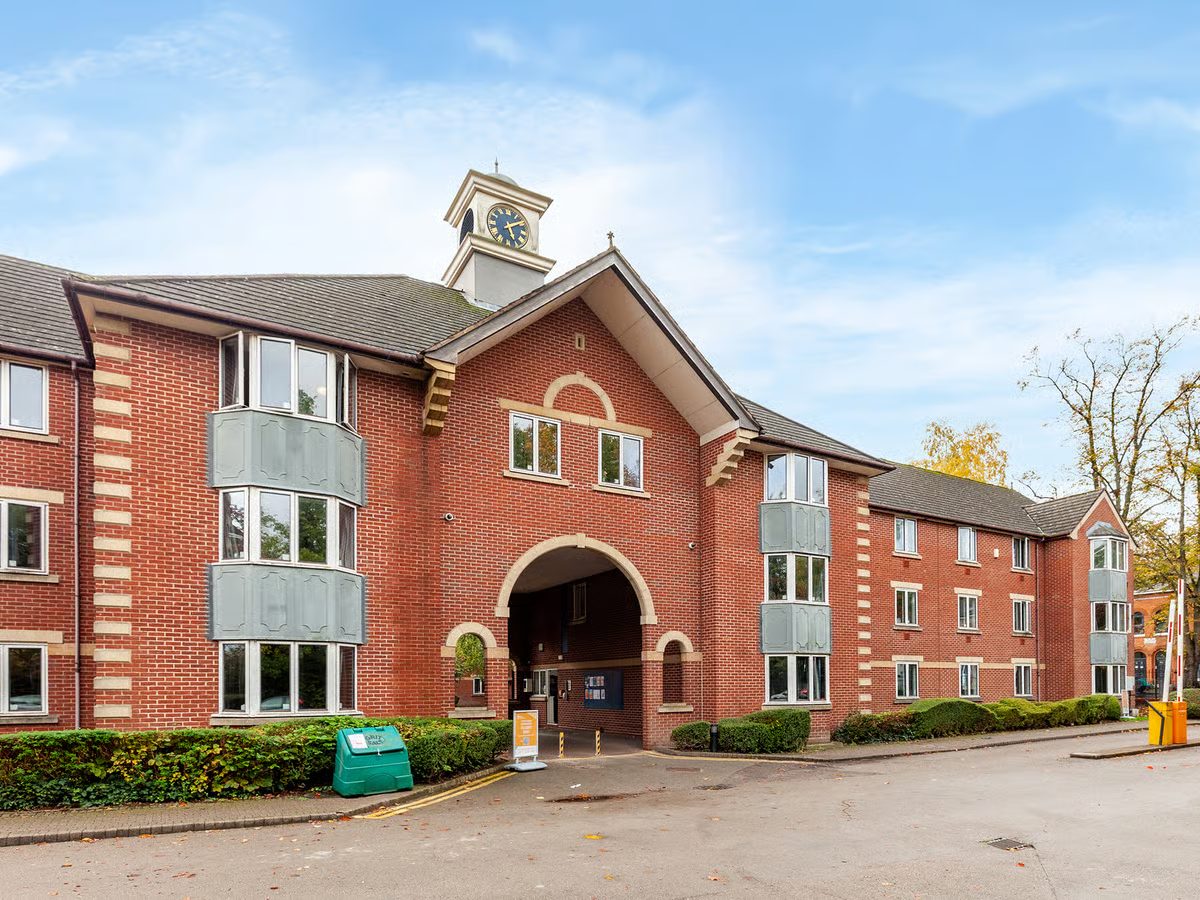
- Pros: You have access to the city centre and its amenities. You may find more affordable accommodation in the wider area. You are less isolated from the general city life.
- Cons: You need to budget for a bus pass (approx. £15-£25 per week for an unlimited bus pass) or train season ticket (approx. £10-£15 per week for the short university-to-city journey). Your daily commute adds 20-30 minutes each way. You must check the reliability of your bus or train route.
- Best for: Students who enjoy city life, work part-time in the city centre, or study in the evenings and want access to late-night transport.
A realistic middle ground
Many students choose to live in the Selly Oak area, which is on the south side of campus. The walk from the Bristol Road to the main library takes about 15-20 minutes. It is far enough to get lower rent than Edgbaston, but still walkable. The train station is about 5-10 minutes further from Selly Oak than from the main campus, so you can also use the train from University station to get into the city.
Shortlist Logic: Using the Given Nearby Residences
Below are five sample residences that are located near the University of Birmingham. This list is illustrative; you should check availability and exact prices on the operator’s website.
How to use this shortlist
- Check distance to your department: Look at where your lectures are held. The main campus is laid out with the Arts building closer to the train station, and the Law and Social Sciences building further north. The sample residences are mostly near the Bristol Road/Edgbaston area.
- Compare contracts: Some residences, especially those aimed at first-year students, offer 44-week contracts matching the academic year. Others offer 51-week contracts, which may suit postgraduate students who need to stay over summer.
- Read the fine print on cancellation policies and payment terms.
Sample Residence 1: Canvas The Old Fire Station
- Location: Edgbaston, very close to the university (about 5-10 minute walk).
- Description: A modern PBSA built in a converted fire station. Typically offers a mix of en-suite rooms and studios.
- Consideration: Very convenient for campus. Expect premium pricing for its location and design.
Sample Residence 2: Calthorpe Court
- Location: Edgbaston, on the Calthorpe Estate. Very close to the university.
- Description: A purpose-built development with modern rooms. Often includes a common room and laundry facilities.
- Consideration: Excellent walk-to-campus potential. Would suit a student who prioritises convenience over cost.
Sample Residence 3: CEG Lucas Studios
- Location: Approximately 15-20 minute walk from campus, on the Selly Oak side.
- Description: Owned by CEG, this is likely a newer block with studio apartments and shared flats.
- Consideration: The walk is manageable. Being in Selly Oak gives you access to shops and cafes. Studios are more expensive than shared rooms.
Sample Residence 4: B16 Studios
- Location: This is not a specific address, but B16 is a postcode covering the Edgbaston area. Likely refers to a block of studios.
- Description: Studio apartments targeted at postgraduate students or those wanting more privacy.
- Consideration: Studios are the most expensive option per person, but you gain privacy and a kitchen of your own.
Sample Residence 5: Canvas The Heights
- Location: This is likely a different building from The Old Fire Station, possibly in Selly Oak or closer to the Bristol Road. “The Heights” suggests a newer building with city views.
- Description: Another Canvas property, so expect a modern, standard PBSA offering.
- Consideration: Compare prices and room sizes with other Canvas properties. Location will be key.
How to choose between them
- If you want the shortest commute above all: Choose Canvas The Old Fire Station or Calthorpe Court (Edgbaston). Confirm the walking time.
- If you want a balance of cost and proximity: Choose CEG Lucas Studios or The Heights if they are in the Selly Oak area. You will walk 15-20 minutes but pay less than in Edgbaston.
- If you want a studio for privacy: Choose B16 Studios or a studio room in any of the others. Expect to pay more than £200 per week.
- If you prefer a larger shared flat: Look for en-suite options in CEG Lucas Studios or Selly Oak properties.
Always ask the operator: “What is the exact walking distance to the University of Birmingham’s main entrance? Are bills included? What is the contract length (44 or 51 weeks)?”
Frequently Asked Questions
Q: Should I live in university halls or private residences for 2026-2027? A: University halls (like The Vale) are on campus and offer a guaranteed place for first-year students. They are convenient but often have shared bathrooms and fixed meal plans or self-catered kitchens. Private residences like those listed above are often newer, offer more en-suite rooms, and give you more freedom on contract length. However, they can be more expensive per week. Compare the total cost (including bills and transport) for a like-for-like room. Both options have benefits; the best choice depends on your preference for independence versus a structured campus community.
Q: How safe is the area around the university for walking at night? A: The Edgbaston and Selly Oak areas are generally considered safe, especially on the main roads. The university campus is well-lit and patrolled by security. The train station is also well-used. That said, standard city precautions apply: walk in groups if possible, keep to well-lit streets, and carry a personal safety alarm. The Campus Safety team at the university offers a late-night minibus service (the “Uni Bus”) for students travelling from the city centre to campus.
Q: When should I start looking for housing for September 2026? A: The market starts early. Private PBSA operators often open bookings for the next academic year from October or November of the preceding year. University halls applications open in the spring of 2026. If you want a specific residence, especially a studio, you should start researching in late 2025 and sign a contract by early 2026 at the latest. Houses in the private sector (HMOs) are typically advertised from January to May for a September move-in. Waiting too long will reduce your options.
Data last updated: 30 August 2025. Prices and availability are indicative and subject to change. Always confirm directly with the accommodation provider.
Explore more: Browse all student housing guides