Housing Near University of Canterbury: A Practical Guide for 2026–2027
The University of Canterbury (UC) is consistently ranked among New Zealand’s top universities (QS rank 261 globally) and sits on a modern, spacious campus in Upper Riccarton, Christchurch. With a Google rating of 4.4 out of 5 from 362 reviews, students frequently highlight the supportive faculty, excellent facilities, and strong academic environment. Finding the right accommodation nearby is a key decision for both local and international students. This guide covers what current reviews reveal, the Christchurch housing context, realistic budget bands, the trade-off between walking and public transport, and a shortlist logic using common housing types around UC.
What Campus Reviews Reveal About Life at UC
Student reviews provide a clear picture of the day‑to‑day experience at UC. Parbjot Singh, rating the university 5 stars, noted: “I had a wonderful experience at University of Canterbury. The faculty are not only knowledgeable but also supportive, always encouraging students to grow both academically and personally. The campus is well‑maintained, with excellent facilities like libraries, labs, and recreational areas.” This sentiment is echoed by Minh Huong Thai: “The University of Canterbury offers a strong academic environment with well‑developed research facilities. The campus is modern, spacious, and supportive for both local and international students.”
Pauls Davis added: “Great campus and high academic standards are maintained. Very good learning atmosphere. Facilities are really good and the buildings have good architecture and themes.” Sheen Francis Reyes highlighted the competitive yet encouraging environment: “There was an air of healthy competition amongst students in some of my classes which pushed one to perform. The lecturers were reliable, knowledgeable, and supportive. There were heaps of interesting papers to choose from.”
These comments point to a university that invests in its physical infrastructure and teaching quality. While the reviews focus on academics and campus life, they indirectly inform housing needs: proximity to campus is valued because students want to easily access libraries, labs, and recreational spaces. The campus is located at 20 Kirkwood Avenue, Upper Riccarton, a suburban area about 5–6 km west of Christchurch’s city centre.
City Context: Christchurch as a Student City
Christchurch, the largest city in New Zealand’s South Island, has undergone significant rebuilding after the 2010–2011 earthquakes. Today it offers a mix of modern infrastructure, green spaces, and a growing student population. The city is generally affordable compared to Auckland or Wellington, though rental prices have risen in recent years.
For UC students, most housing options are clustered in the suburbs immediately surrounding the university — Upper Riccarton, Riccarton, Ilam, and a bit further out, Fendalton and Bryndwr. These areas are primarily residential with convenient access to the Riccarton Mall, supermarkets, and public transport routes along Riccarton Road and Ilam Road. The university itself has a strong international student community, and many landlords are accustomed to renting to students, often offering furnished rooms or flats.
Budget Bands for 2026–2027
All prices listed below are indicative — confirm with the operator. Weekly rental figures are based on trends in Christchurch and for typical student accommodation within a 20‑minute walk or short bus ride from UC.
Budget‑Friendly: NZ$160 – NZ$220 per week
This range typically covers a room in a shared flat or house, often with 3–5 other tenants. Utilities (electricity, internet) may be included or charged separately. Common examples include older houses in Ilam or Riccarton with basic furnishings. Walking distance to campus can be 15–30 minutes. This band suits students who prioritise low rent and don’t mind sharing common areas.
Mid‑Range: NZ$220 – NZ$320 per week
Here you can expect a larger room in a well‑maintained house or a newer apartment complex. Many purpose‑built student accommodations (PBSAs) near UC fall into this bracket, offering single rooms in flats with shared kitchens and living rooms. Utilities are often included. Some properties include a small private bathroom (ensuite) or access to a gym and study rooms. Walk time to campus is usually under 15 minutes.
Premium: NZ$320 – NZ$450+ per week
This includes studio apartments or one‑bedroom units within a short walk of UC, as well as top‑tier PBSAs with high‑end finishes. Also covers rooms in newer townhouses or apartments closer to Riccarton shops. Walking distance is typically 5–10 minutes. Private facilities and larger living space come with a higher price tag.
Walk vs. Transit Trade‑Off
The UC campus is compact and well‑connected. Most academic buildings are within a 5–10 minute walk of each other, so if you live within a 1 km radius, you can walk to class in 10–15 minutes. Many student flats in Upper Riccarton and Ilam are within that zone.
For students choosing accommodation further out (e.g., parts of Bryndwr, Fendalton, or central Christchurch), public transport is a viable option. The city’s Metro bus network serves the university well:
- Purple Line and Orbiter run frequently along Riccarton Road and Ilam Road, with stops right outside the campus.
- A bus from central Christchurch to UC takes about 20–30 minutes.
- A student bus pass (Metrocard) costs around NZ$30–40 per week for unlimited travel.
Walking pros: Zero transport cost, no schedule dependency, healthier lifestyle.
Walking cons: Limits your housing search to a smaller radius; rents in the immediate campus zone tend to be higher.
Transit pros: Access to a wider range of housing in cheaper areas; you can live closer to city amenities.
Transit cons: Weekly bus fare adds to your budget; bus frequency reduces in evenings and weekends.
For first‑year international students, many choose a walkable option to simplify logistics. Returning students often opt for a slightly longer commute to save rent.
Shortlist Logic Using Nearby Housing Types
When comparing housing near UC, consider the following criteria based on distance, price, and included services. The table below is not a markdown table — it is presented as a narrative list.
1. Purpose‑built student accommodation (PBSA)
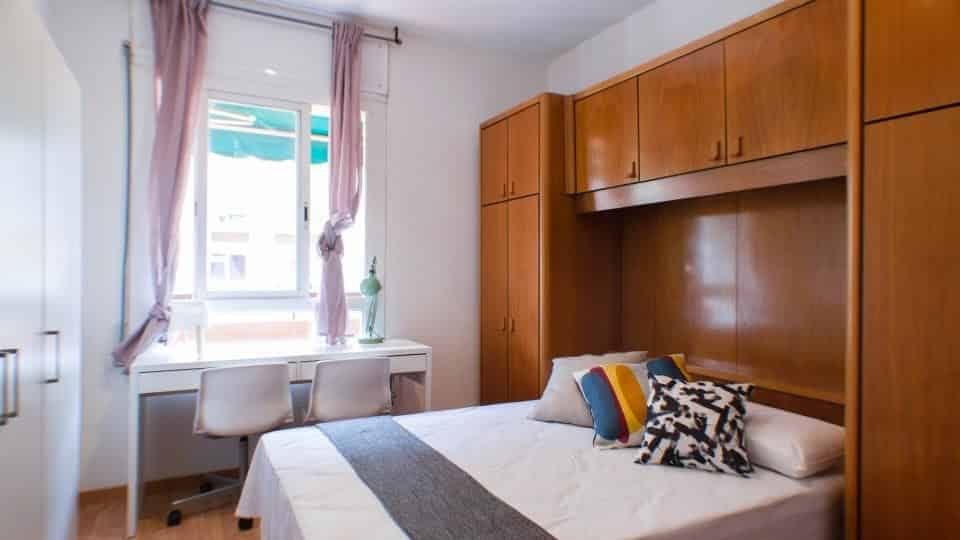
These are often the easiest option for new students. They are typically located within 5–15 minutes’ walk of campus. Rent includes utilities, internet, and sometimes a meal plan or cleaning service. Examples in Upper Riccarton and Ilam offer single or twin rooms in flats of 4–6 people. Deposit is usually 2–4 weeks’ rent. Many operate 12‑month leases. Cost: NZ$220–NZ$380 per week (indicative — confirm with the operator).
Why choose this? Simplicity — everything is bundled, and you move into a ready‑to‑live room. Community events help you meet other students.
2. Shared private rental (house or flat)
This is the most common option for continuing students. You find a flat (often 3–5 bedrooms) through Trade Me, Flatmates Wanted, or student noticeboards. Houses in Ilam and Riccarton are older but functional. You split bills among flatmates. Walking distance can be 5–25 minutes. Cost per room: NZ$160–NZ$300 per week (indicative).
Why choose this? More independence, often cheaper than PBSA. You can choose your flatmates. Lease terms are often 6–12 months.
3. Homestay
Living with a local family. Provides meals and a private room. Arranged via the university or independent providers. Usually located 15–30 minutes by bus from campus. Cost: NZ$280–NZ$350 per week (including meals, indicative).
Why choose this? Good for language immersion and cultural adjustment. Recommended for under‑18 students or first‑semester internationals.
4. Studio or one‑bedroom apartment
Rare and more expensive within walking distance. These are mostly in the city centre (a bus ride away) or newer developments near Riccarton. Cost: NZ$350–NZ$500 per week (indicative).
Why choose this? Maximum privacy. Suitable for postgraduate students or couples.
Shortlist logic:
- If you are a new international student arriving without social connections, consider a PBSA for the first year. You can find a shared rental later once you know people.
- If your budget is NZ$200 per week or less, focus on shared rentals in Ilam/Riccarton, but be prepared to compromise on room size and house condition. Verify walking time using Google Maps.
- If you prefer quiet study, avoid houses directly on Riccarton Road (busy traffic). Look on side streets like Solway Avenue or Wainui Road.
- Check if the rental includes bills. A rent of NZ$180 with bills separate can actually cost NZ$210–220 after electricity and internet.
Remember: whatever accommodation you consider, request a written tenancy agreement and inspect the property before paying any bond. UC’s accommodation office can provide a list of vetted landlords, but always verify details directly.
Frequently Asked Questions
1. When should I start looking for housing near UC for 2026/2027?
Start your search 2–3 months before your intended arrival. For February (Semester 1) intake, begin looking in November–December of the previous year. Many PBSAs open applications 6–9 months in advance. Private rentals are listed closer to the move‑in date — typically 4–6 weeks ahead. For a July intake, start looking by April. Plan to have accommodation secured at least one week before the semester starts, as orientation activities begin early.
2. Is it cheaper to live further from campus and take the bus?
Yes, generally. Rent per room in central Christchurch can be NZ$30–80 per week cheaper than similarly sized rooms in Ilam or Upper Riccarton. However, factor in the weekly bus fare (approx NZ$30–40 for a student pass). The net saving may be NZ$0–50 per week, but you also gain access to city amenities. For students with classes only 3–4 days a week, the trade‑off leans towards a cheaper outer‑suburb rental. If you have daily labs or early classes, the convenience of walking may be worth the extra rent.
3. What deposit and tenancy terms should I expect?
Most landlords require a bond of 2–4 weeks’ rent, which is lodged with the New Zealand Tenancy Services. PBSAs often ask for a bond equivalent to 2 weeks’ rent plus an advance rent payment. Lease terms are typically 12 months for PBSAs and 6–12 months for private rentals. Shorter term (semester‑by‑semester) is harder to find but possible in some shared houses by arrangement. Always read the tenancy agreement carefully. You have the right to a property that meets healthy homes standards. If you are under 18, a parent or guardian may need to co‑sign.
Data as of August 2026. Rental ranges are indicative — confirm with the operator before committing.
Explore more: Browse all student housing guides