Housing near the University of Chicago: Campus reviews, budget, and neighbourhood options
The University of Chicago sits in the Hyde Park neighbourhood on the city’s South Side, around 7 miles south of downtown Chicago. With a QS World University ranking of 13, it is one of the most selective research universities globally. The campus is known for its neo-Gothic architecture, intellectual atmosphere, and relative peacefulness — something that comes through in reviews left by visitors and local residents alike.
What campus reviews reveal
The university’s Google rating is 4.6 from 1,185 reviews. A review by Hills Lee notes: “A very nice and peaceful university. The students there are polite and nice, also they are studying hard in any place of the university, especially in the library. The library is open to anyone with a real ID…” Another review from Ctgb describes the campus as “intellectual and historic in a way few universities do” and highlights that “the architecture is the first thing that hits you.”
These impressions matter when you are choosing housing nearby: the campus is both a study destination and a place to enjoy on weekends. Kristina Richards, who appears to have stayed in university accommodation, says: “Beautiful! Absolutely wonderful place to stay, relatively central! Beds/ Rooms are so Comfy! Incredibly polite & helpful staff!” (Note: this review is about on‑campus lodging, but the sentiment towards the area is positive.) Joshua Fagan adds: “One of the great universities of the world, with a campus deserving of it. There’s a real commitment to the neogothic and medieval…”
The general consensus: the campus is safe, beautiful, and conducive to focused study. However, Chicago’s South Side has a reputation for higher crime rates in some pockets, so housing research should include checking specific blocks with local safety data or asking current students.
City context: Chicago and the South Side
Chicago is the third‑largest city in the US, with a strong public transport system (CTA trains and buses). The University of Chicago is served by the Metra Electric Line (stations at 55th‑56th‑57th and 59th St) and several CTA bus routes (e.g. #2, #6, #171, #172). The Red and Green Lines are further west but connect via bus transfers.
Hyde Park itself is a historic, leafy neighbourhood with bookshops, cafes, and the lakefront. To the north is Kenwood (also residential), to the west is Washington Park, and to the south is Woodlawn. Many students also live in Bronzeville (further north/west) or even downtown (the Loop) for shorter commutes to internships.
Housing stock includes purpose‑built student apartments, shared houses, and full‑market rentals. Given the university’s location, the trade‑off is usually between walking distance (quieter, closer to campus resources) and a slightly longer commute via transit (more options for nightlife or lower rent).
Budget bands (2026–2027 academic year)
The following are approximate monthly rents for a private room in a shared apartment or a studio. All figures are indicative — confirm with the operator. For the 2026–2027 academic year, budgets typically fit into three tiers:
- Tier 1 (economy): USD 600–900 per month
Rooms in older walk‑ups, often in Woodlawn or Washington Park. Shared bathrooms and kitchens are common. You get basic amenities but may need to factor in transit costs (bus pass ~USD 75/month). - Tier 2 (mid‑range): USD 900–1,400 per month
Larger rooms or studios in Hyde Park, Kenwood, or Bronzeville. Many are in renovated buildings with laundry and sometimes a gym. Walking distance to campus is typical at this level. - Tier 3 (premium): USD 1,400+ per month
Purpose‑built student residences or luxury apartments with concierge, rooftop decks, and parking. Often located in Hyde Park or near the downtown Loop, requiring a train commute. The sample properties below include some at this level.
The starting price of USD 600 mentioned in the city context is possible but rare — usually a shared room or a basement unit in a less convenient block.
Walk vs transit trade‑off
Walking distance (0–20 minutes on foot)
- Pros: No daily transport cost, more spontaneous use of campus libraries and gyms, safer feeling when walking home late.
- Cons: Fewer dining and entertainment options after 10 pm; rents are typically higher per square foot.
- Common walking neighbourhoods: Hyde Park (the core), Kenwood, east Woodlawn.
Transit‑dependent (20–45 minutes by bus or train)
- Pros: Often cheaper rent, larger apartments, more diverse neighbourhoods (Bronzeville, Bridgeport, even the Loop). You also have access to downtown amenities.
- Cons: Monthly transport pass costs (USD 75–100), schedule dependency, and longer overall commute (door‑to‑door can exceed 45 minutes).
- Good transit corridors: Metra Electric stops at 55th, 59th, and 63rd; CTA bus routes #6 (Hyde Park Express) and #2 (Hyde Park – Downtown Express) run along Lake Park Avenue.
Many graduate students choose the trade‑off because they can live near the lakefront or in a more vibrant part of Chicago without the Hyde Park premium.
Shortlist logic using nearby residences
The data includes five sampled residences. Below is a neutral assessment of each based on location and typical features — not a recommendation. Always confirm current availability and terms with the operator.
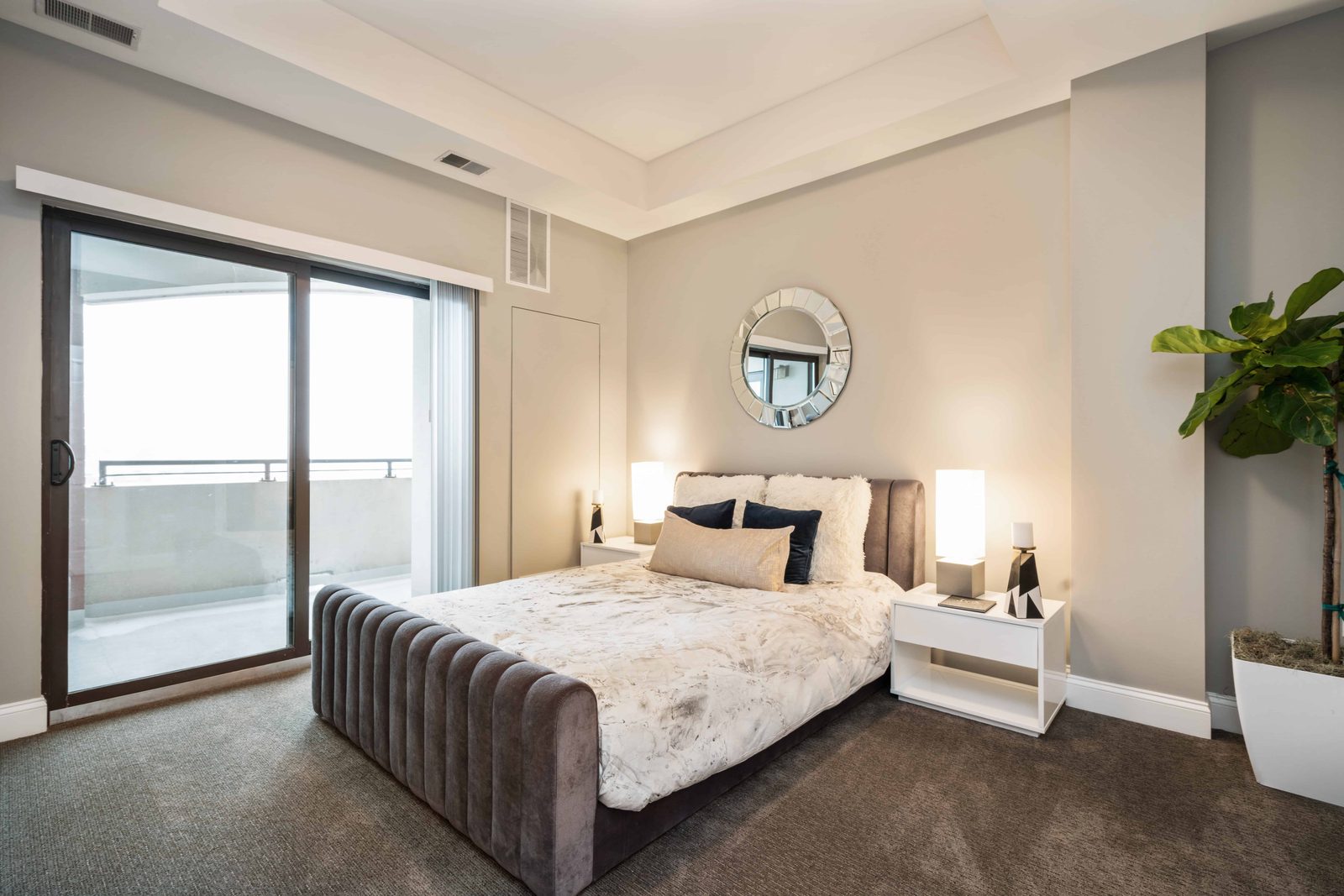
1. June Homes 60647
The ZIP code 60647 corresponds to Logan Square, a neighbourhood on Chicago’s Northwest Side — about 10 miles from campus. June Homes offers short‑term furnished rentals. If you choose this location, you would rely on the Blue Line train to the Loop and then transfer to a bus or Metra. The commute could be 50–70 minutes each way. Suitable if you need flexible lease lengths or have classes only a few days a week.
2. Prairie Shores Bronzeville
Located in the Bronzeville neighbourhood, about 1.5 miles north of campus. This is a mid‑rise apartment complex with studios and 1‑bedrooms. Bronzeville has a rich history and is relatively dense. Many residents take the #2 bus or Metra from 47th Street station (10‑minute ride). Walking to campus is possible but takes 25–30 minutes. Rent for a studio often falls in the mid‑range band.
3. Tailor Lofts
This is a newer development in the South Loop, roughly 4 miles north of campus. Tailor Lofts offers loft‑style apartments with high ceilings and industrial finishes. The commute is best done via the CTA Red Line (Roosevelt Station to Garfield Station) plus shuttle or bus, totalling about 35 minutes. Units are typically in the premium band (USD 1,500+). Good for students who want downtown living and a quick train ride.
4. Scio at the Medical District
Located near the Illinois Medical District, about 4.5 miles northwest. This is close to the University of Illinois Chicago but less convenient for UChicago. The commute would require the #8 bus to the Red Line or a car. Not a typical first choice for a UChicago student unless you have medical rotations or need proximity to hospitals. Rent is mid‑to‑high.
5. The Buckingham
Situated in the South Loop at 1001 S State Street, about 5 miles north. It is a full‑service high‑rise with a doorman, gym, and pool. Units are studios to 3‑bedrooms. The commute: Red Line from Harrison to Garfield (20 minutes) plus a 10‑minute walk or shuttle. This appeals to students who value amenities over walkability. Rent is solidly premium.
When shortlisting, consider:
- Commute time: If you have early‑morning classes, a walking‑distance apartment (Hyde Park, Kenwood) saves stress.
- Lease flexibility: June Homes offers month‑to‑month; traditional leases are 12 months.
- Amenities: The Buckingham and Tailor Lofts cater to luxury‑seeking renters.
- Proximity to grocery stores: Hyde Park has Trader Joe’s, Whole Foods, and local markets. Bronzeville has some, but fewer options.
No single residence fits everyone. The best approach is to compare each property’s management, deposit policies, and in‑unit laundry — factors that affect daily life more than distance alone.
FAQ
1. Is it safe to live near the University of Chicago in 2026–2027?
The university’s main campus in Hyde Park has a strong security presence, including blue‑light phones and a private police force. Many students live within a few blocks. Outside Hyde Park, safety varies block‑by‑block. Check the university’s annual safety report and talk to current students. Areas with high student density (southern Hyde Park, Kenwood) are generally considered safe for day‑to‑day activity, but take standard urban precautions.
2. What is the typical deposit and what are utility costs?
Deposit is usually one month’s rent. Many private landlords require a guarantor or a higher deposit for international students. Utilities (electricity, internet, water) run roughly USD 100–200 per month for a shared apartment. Some purpose‑built residences include all utilities in the rent. Always ask for a breakdown before signing.
3. How early should I start looking for housing for the 2026–2027 academic year?
The peak leasing season is April–August for a September/October move‑in. Many popular Hyde Park apartments list as early as February. For premium buildings like The Buckingham, units become available 60 days before the lease start. If you want a walking‑distance unit, start searching by March. Off‑campus rooms in family homes may be listed year‑round.
Data date: October 2026. All prices are indicative — confirm with the operator.
Explore more: Browse all student housing guides