What Campus Reviews Reveal
Current and former students at the University of Iceland often highlight the practical side of campus life. A recent review from Aineah Omondi, posted four weeks ago, notes: “The university has some nice facilities like the gym, student housing and the restaurant at Haskolatorg with a nice environment.” This mention of on-site student housing is one of the few direct references to accommodation in the university’s Google reviews (rated 4.4 out of 5 based on 147 reviews). Another reviewer, Abdulmumin Uthman, gave a 5-star rating six months ago and described the institution as “not just an institution of leaning, it’s an institution that shapes the future and I am so proud to be associated with such a magnificent institution.” A longer-term perspective comes from Ssemuyaba Fred Wilkins, who wrote five years ago: “Fantastic University with loving and incredible students and staff all coming from all over the world thus offering a unique cultural mix.” Not all feedback is positive: Christian Legere gave a 2-star rating a year ago and warned: “For those wanting to study the Bachelor of Icelandic as a Second Language: don’t do it… I can’t personally speak for the Diploma but I’ve also heard nothing good.”
These reviews give a mixed but informative picture. The university clearly offers some on-campus housing (student housing mentioned by Omondi), and the environment is described as multicultural. However, the negative review about a specific programme does not relate to housing but reminds readers that student experience can vary by department. For incoming students, the question of where to live near this campus is central.
City Context: Reykjavík for Students
The University of Iceland is located at Sæmundargata 2, 102 Reykjavík, in the capital of Iceland. Reykjavík is a compact city with a population of roughly 130,000 (metro area around 230,000). The university sits in the central area, near Hallgrímskirkja church and the main shopping streets. The city’s student housing market is relatively small but active. Most students rely on a combination of:
- University-managed dormitories (often called “Háskólaríki” or simply “student housing”).
- Private rental flats or shared apartments.
- Rooms in co-living or cooperative housing.
Because Iceland’s rental market overall is tight, especially in Reykjavík, students are advised to start searching early – ideally three to six months before the semester begins. The university does not guarantee on-campus accommodation for all, and demand for the limited dorm spaces usually exceeds supply.
The cultural mix mentioned in reviews is real: the university attracts many international students, particularly from Europe, North America, and Africa. English is widely spoken, and most administrative processes for housing can be handled in English. However, leases and contracts may be in Icelandic, so having a local contact or a translator is a good idea.
Budget Bands for Student Housing
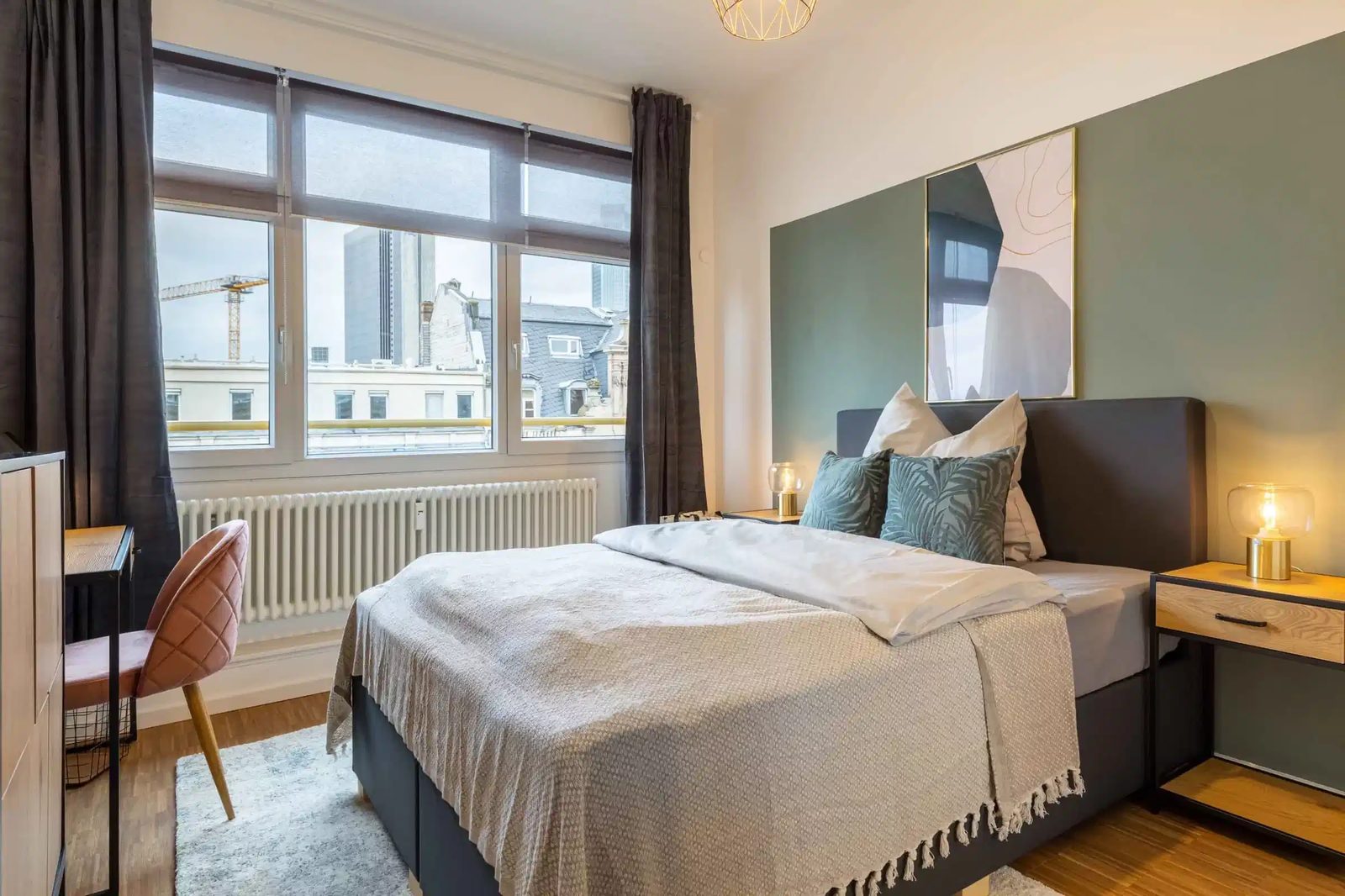
Monthly rental costs in Reykjavík vary widely. The figures below are indicative — confirm with the operator before committing. Prices are in Icelandic króna (ISK) as of 2026/2027.
Low budget (under 100,000 ISK per month)
- Shared room in a university dormitory (if available) or a room in a private shared flat with 3–5 people.
- Typically 50,000–90,000 ISK.
- Often includes utilities but may not include internet or a cleaning service.
Mid budget (100,000–150,000 ISK per month)
- Private room in a shared flat closer to campus, or a studio (efficiency) apartment.
- 120,000–140,000 ISK is common for a single room within walking distance of the university.
- Some bills included; confirm with landlord.
High budget (above 150,000 ISK per month)
- A one-bedroom or small two-bedroom flat for solo living.
- Range 160,000–250,000 ISK.
- Utility costs are usually separate (electricity, heating, water) and can add 10,000–20,000 ISK per month in winter.
Many students find that sharing a flat with other university peers offers the best balance of cost and proximity. The university’s student housing (referred to in the review) is typically more affordable than private rentals but has limited availability. Applying early is essential.
Walk vs. Transit Trade-Off
The University of Iceland campus is centrally located, so many housing options within a 2-kilometre radius are walkable. The trade-off is simple: living closer (within 15–20 minutes on foot) usually costs more per month, but you save on transport fares and time. Living a bit further (e.g., in the suburbs of Breiðholt, Grafarholt, or Kópavogur) lowers rent but requires a bus commute.
Walking zone (0–2 km from Sæmundargata 2)
- Neighbourhoods: Miðborg (downtown), Vesturbær, Hlíðar, some parts of Laugardalur.
- Walk time: 5–25 minutes.
- Typical rent: 120,000–200,000 ISK for a private room or studio.
- No transport cost.
Transit zone (2–6 km, bus ride)
- Neighbourhoods: Árbær, Breiðholt, Kópavogur, Garðabær.
- Bus time: 15–40 minutes (Reykjavík’s bus system is called Strætó).
- Typical rent: 80,000–120,000 ISK for a room in a shared flat.
- Monthly bus pass: around 9,000 ISK for students (with a discount card; confirm fares at Strætó).
Car or bicycle
- Cycling is popular in Reykjavík, especially from May to September. The city is relatively bike-friendly, with dedicated lanes in many areas.
- Car ownership is expensive (registration, insurance, fuel). Most students choose not to drive.
For most international students, the best compromise is to live within a 30-minute bus ride or a 20-minute walk. The university’s central location means that even cheaper suburbs are not far by bus.
Shortlist Logic: How to Choose Housing Near University of Iceland
Since the given data does not include a list of specific residence names or prices near the university, the shortlist logic is based on the information we have – the review mentioning “student housing” – and general principles for the Reykjavík market.
-
Start with university-managed housing.
The review by Aineah Omondi explicitly mentions “student housing” as a nice facility. This suggests the university operates some dormitories. Contact the university’s housing office (often called “Háskóli Íslands – Nemendavefur” or similar) to apply for a room. Application windows typically open in February for autumn and September for spring. Accept what is offered – waiting lists are long. -
If university housing is full, search private rentals in walking distance.
Websites like “leiga.is” or “mbl.is” (classifieds) list flats and rooms for rent. Because the university is in the city centre, focus on postcodes 101, 102, 105, and 107. Filter for rooms listed by other students – often advertised on Facebook groups such as “Rent in Reykjavík” or “Leita að leigjanda”. Asking price guidance: a room in a shared flat in these postcodes usually costs 110,000–150,000 ISK per month (indicative, confirm with operator). -
Consider shared flats with a longer commute to lower costs.
If your budget is under 100,000 ISK, you will likely need to live further out. Check locations along bus lines 1, 2, 3, 5, 6, and 12, which serve the university area. For example, flats near Mjódd or Hafnarfjörður are often cheaper but require a 30–40 minute bus ride. Make sure the bus schedule works with your class times. -
Evaluate the trade-offs.
- Proximity vs. quietness: Dorms can be social but noisy. Private flats are quieter but more expensive.
- Length of stay: If you are only staying one semester, a room in a student dorm is easier (contract length flexible). For a full degree, consider a private flat for stability.
- Utilities and bills: Always ask whether heating, electricity, and internet are included. Icelandic winters are cold – heating costs can be high.
-
Use the campus amenities to make a final choice.
The review mentions a gym and a restaurant (Háskólatorg) on campus. If you live very close, you can avoid buying a gym membership or cooking every meal – this saves time and money. A 2-star review also reminds you that not everything is perfect; visit the housing in person or video-call the landlord to inspect the condition.
FAQ
Q1: When should I start looking for housing near the University of Iceland?
A: As early as possible. The university dorm applications usually open three to four months before the semester (around February for autumn, September for spring). Private market rentals are usually listed one to two months before move-in. If you are an international student, start six months ahead to secure a place.
Q2: Are utilities included in the rent?
A: It varies. Many university dorms include heating, electricity, water, and internet in the rent. Private rentals often have separate utility bills, especially in winter when heating costs rise. Always ask for a breakdown before signing the lease. Figures are indicative – confirm with the operator.
Q3: Is walking or taking the bus better for a student budget?
A: Walking is free and healthy, but it restricts your housing options to expensive central areas. If you can afford the rent premium (typically 20–30% more than outer suburbs), walking saves you the bus fare and commute time. Taking the bus allows lower rent and a larger selection of flats, but adds 15–40 minutes per trip and a monthly pass cost. You can also combine – many students walk to a bus stop and then ride.
Data date: 2026.04
Explore more: Browse all student housing guides