Campus Reviews and What They Reveal
The University of Mumbai, established in 1857, holds a storied position in Indian higher education. With a QS World University ranking of 664, it draws students from across the country and abroad. Google reviews give the institution a 3.4‑star rating from over 3,000 reviewers, reflecting both admiration for its architectural grandeur and frustration with digital services.
One reviewer, Rushabh, gives five stars and calls the campus “a stunning heritage landmark in the heart of South Mumbai, just a few steps away from the Bombay High Court Building. The University of Mumbai’s Fort campus, especially the Rajabai Clock Tower and library building, showcases beautiful Gothic architecture with intricate stonework and stained glass.” This praise highlights that students and visitors value the historic environment – but it also implies the surrounding area is densely built and tourist‑frequented, which directly affects housing options.
Another positive review, from MapMitra_Manjits, describes the university as “one of the most respected and oldest universities in India, offering a wide range of courses with a strong academic foundation. Its Department of Law is especially well‑regarded… Located in the heart of Mumbai, the university provides great exposure and opportunities.” The phrase “heart of Mumbai” confirms the central location: Fort, a commercial and heritage district.
However, a contrasting two‑star review from Roshani Patel points out administrative pain points: “The University of Mumbai website needs significant improvement in terms of performance and usability. While filling out the form, especially in the ‘Correspondence Address’ and ‘Permanent Address’ sections, the country drop‑down list is not visible or does not load properly.” For international students, this suggests that online enrolment may be frustrating, but the physical campus experience is generally praised.
Musafir Hun Yaaron’s five‑star review summarises the academic breadth: “The university offers a diverse range of undergraduate, postgraduate, and doctoral programs across disciplines such as science, commerce, arts, management, engineering, law, and social sciences.”
Taken together, the reviews indicate that the Fort campus is architecturally impressive and centrally located, but the surrounding area is busy, and the university’s online services lag. Housing decisions should prioritise proximity to the Fort area (or easy transit access) and reliable internet for remote work, given the website issues.
Mumbai as a Student City
Mumbai is India’s financial and entertainment capital, with a population exceeding 20 million. The University of Mumbai’s main campus sits in Fort, South Mumbai, near the Bombay High Court, CST railway station, and the historic Colaba district. The city is known for its high cost of living relative to other Indian cities, especially for housing. Public transport includes suburban trains, buses, and a metro system that is still expanding. Traffic congestion is severe, so living close to campus or near a direct rail line is a practical advantage.
Fort itself is a commercial hub with many banks, offices, and government buildings. Residential options in South Mumbai tend to be expensive due to limited space and high demand. Students often look beyond the immediate neighbourhood to areas like Dadar, Bandra, Andheri, or even Navi Mumbai, where rents are lower but commute times increase. The local train network is the backbone of student commuting, though it can be crowded during peak hours.
Budget Bands for Student Housing
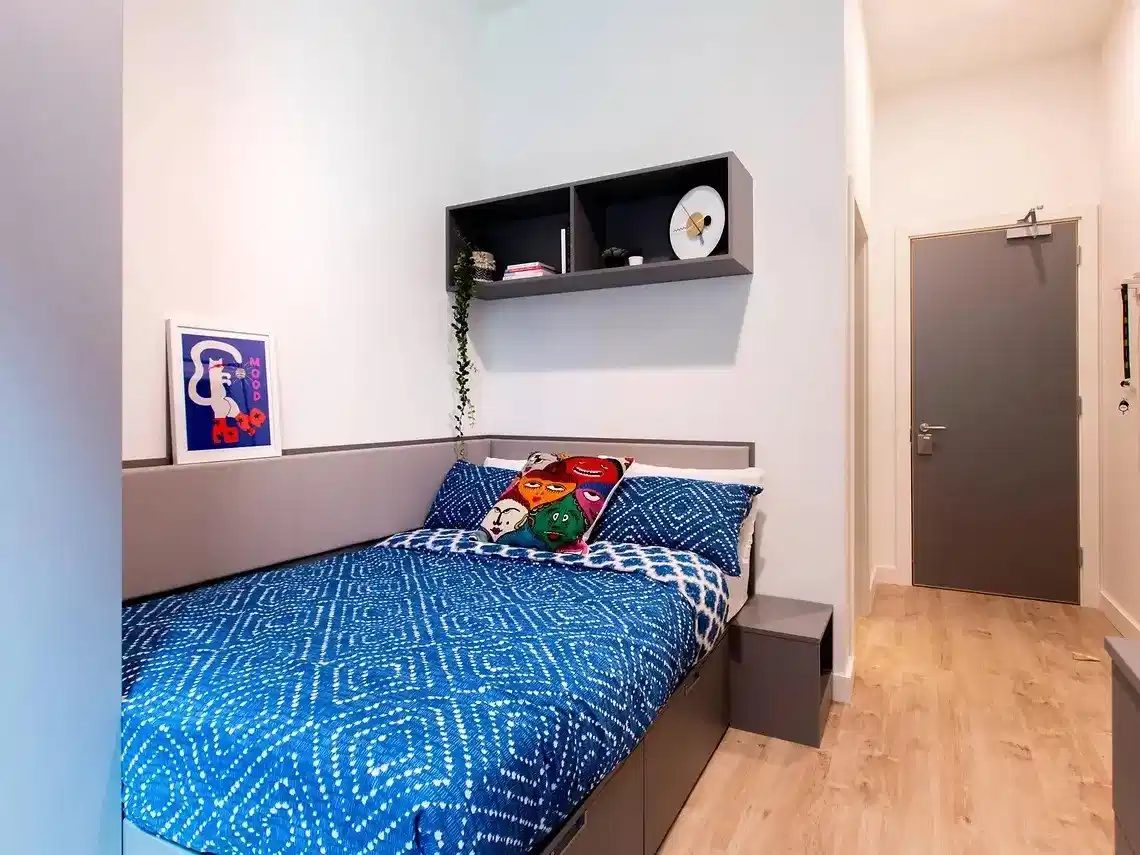
Because the provided data does not include specific rental figures, budget bands are described here in general terms that apply to the Fort area. All prices mentioned are indicative — confirm with the operator.
- Economy (shared accommodation): Shared rooms in private hostels or PG (paying guest) accommodations within 2–3 km of the Fort campus typically fall into a lower band. These may include basic furniture, shared bathrooms, and limited meal options. Students share with 2–4 others.
- Mid‑range (private room in shared flat): A single room in a shared apartment within walking or short train distance (e.g., in Colaba, Churchgate, or Marine Lines). This band often includes amenities like a kitchen, Wi‑Fi, and a private bathroom. Rent varies widely by floor and building age.
- Premium (studio or 1‑BHK near campus): Fully self‑contained units near the campus, especially in buildings with elevators, security, and backup power. These are the most expensive and are suitable for students who prioritise short commute times and independence.
Since no operator‑provided prices are in the data, prospective students should check multiple platforms, contact local real estate agents, or join university student groups to get current numbers.
Walk vs Transit: Choosing Your Location
The University of Mumbai’s Fort campus is located at Mahatma Gandhi Road, Mantralaya, Fort. The area is well‑served by Chhatrapati Shivaji Maharaj Terminus (CST) – a major railway hub – and Churchgate station (Western Line). From these stations, the campus is about 5–10 minutes on foot. Many buses also stop nearby.
Walk‑friendly neighbourhoods include Colaba (south of the campus), Fort itself, and the area around Oval Maidan. A 15‑ to 20‑minute walk covers most of South Mumbai’s heritage precinct. These areas are safe during daytime but can be crowded. Rents are high, but the convenience of avoiding daily train travel is valuable, especially for early morning or late evening classes.
Transit‑dependent options include suburbs along the Western and Central lines. Popular student areas are Dadar (15–20 min by train), Bandra (25–30 min), and Matunga (20 min). These offer lower rents and more grocery stores but require a monthly train pass and patience for peak‑hour crowds. The train journey from Dadar to Churchgate takes about 15 minutes; from Bandra about 25 minutes. Add walking time at both ends.
The trade‑off is clear: walking saves time and money on transit but costs more in rent. Transit expands the housing pool but adds 30–60 minutes of travel daily. Students with early classes or heavy course loads may prefer walking. Those with flexible schedules or who want to save money often choose a transit‑connected suburb.
Shortlist Logic: How to Evaluate Options
Without a list of specific nearby residences in the given data, the following logic helps you create your own shortlist:
- Define your budget and room type – Use the budget bands above as a starting point. Decide whether you want a shared room, private room, or studio.
- Map the campus – Drop a pin at “Mahatma Gandhi Road, Mantralaya, Fort, Mumbai 400032” on Google Maps.
- Set your radius – For walking: 1 km radius. For transit: 5 km radius along the Western or Central line.
- Search using filters – On any housing platform, filter by “private room” or “whole place” and set a max rent. Sort by distance.
- Read user reviews – Look for mentions of safety, Wi‑Fi reliability, landlord responsiveness, and proximity to train stations. Avoid listings with consistent complaints about water or power cuts.
- Verify proximity to campus – Walk or take a test train ride during the time you would normally travel. Check if the building has a clear address.
- Check the contract terms – Confirm deposit amounts, notice periods, and whether utilities are included. Many landlords in Mumbai require a 10–11 month lock‑in.
Since the data does not include any pre‑listed residences, you will need to gather options yourself. The key is to balance commute time, cost, and living standards.
Frequently Asked Questions
Does the University of Mumbai offer on‑campus housing?
The provided data does not mention any on‑campus hostels or dormitories. The university’s Google reviews and address indicate a central campus focused on academic buildings. Students usually arrange private accommodation in nearby PG accommodations, hostels, or apartments. Contact the university’s student affairs office for official guidance on affiliated hostels.
What is the average rent for student housing near the Fort campus?
No rental figures were supplied in the data. Rent in South Mumbai is among the highest in the city. A rough indication — which you must confirm with operators — is that a shared room may cost 8,000–15,000 INR per month, a private room 18,000–30,000 INR, and a studio 30,000 INR or more. Prices vary by season, building condition, and contract length.
How far is the campus from the nearest train station?
The campus is within a 5‑ to 10‑minute walk from both CST (Central Line) and Churchgate (Western Line) stations. Many local buses also stop at Mantralaya or Hutatma Chowk, less than 500 metres away. This central location makes the university easily reachable from most parts of the city.
Data as of March 2026. All rental figures are indicative — confirm with the operator.
Explore more: Browse all student housing guides