What Campus Reviews Reveal About the University of Pisa
The University of Pisa, ranked 343rd globally in the QS World University Rankings, has accumulated 202 reviews on Google (average rating: 4.2 out of 5). The feedback spans more than a decade and offers a mixed but mostly positive picture of the academic environment and city life.
A long-time review from 11 years ago by Dario Menicagli highlights the welcoming nature of the city and the range of disciplines: “For the welcoming city and the wide range of discipline studied it is one of the best university in Italy.” This sentiment is echoed by another reviewer, Alex Moser, who wrote 12 years ago: “Surely one of the best universities in Italy for what concerns engineering.” These comments suggest that the university’s academic reputation, particularly in engineering, has been stable over time.
On the practical side, a short but enthusiastic review from Michael Cooper (eight years ago) praises the campus Wi-Fi: “Great eduroam wifi router, can connect over 100m away!! 10/10, from the University of Southampton in the UK.” This points to decent internet connectivity across campus grounds.
One negative review (rated 1 star, two years ago) reports an incident involving antisemitic groups on university grounds. While this is an isolated complaint among 202 reviews, it is something a prospective student may want to investigate further by contacting the university directly for a current campus climate statement.
Overall, the reviews indicate a strong academic institution in a student-friendly city, with good infrastructure for digital learning. However, as with any university, individual experiences vary, and personal visits or conversations with current students can provide additional clarity.
City Context: Pisa
Pisa is a mid-sized city in Tuscany, best known for its Leaning Tower, but it also hosts a lively student population. The University of Pisa is located along the Arno River at Lungarno Antonio Pacinotti, 43 – a central address within walking distance of many historic buildings, cafés, and public transport hubs. The city is compact enough that most university buildings are accessible by foot or bike, and the train station (Pisa Centrale) connects to Florence, Livorno, and other regional hubs within an hour.
Renting in Pisa is generally more affordable than in larger Italian university cities like Milan or Bologna. Students typically choose between the historic centre (near the university), the area around Piazza dei Miracoli, or slightly outlying neighbourhoods such as Porta a Lucca or Cisanello. Each has its own character: the centre offers proximity to lectures but can be noisier; outlying areas are quieter and often cheaper but require a short bus ride.
Budget Bands
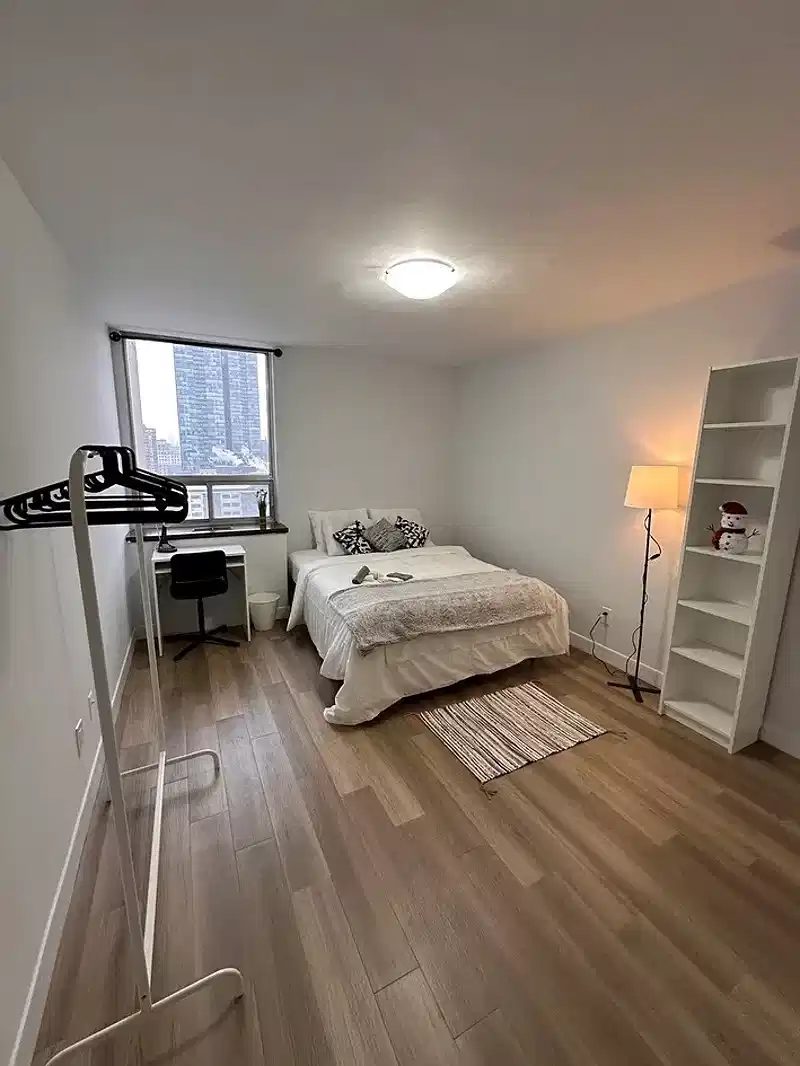
Rental prices in Pisa vary depending on location, property condition, and whether the room is shared or private. The following bands are indicative only — confirm with the operator before making any commitment.
- Budget (€300–€450 per month): Shared apartments or single rooms in older buildings, often 15–25 minutes from the university by bus or bike. Utilities may be separate.
- Mid-range (€450–€650 per month): Private rooms in well-maintained shared flats within 10–15 minutes walking distance of the main campus, or small studios in the centre.
- Upper range (€650+ per month): Fully independent studios or one-bedroom apartments in the historic centre, often with modern amenities. Suitable for students who prioritise privacy and a short commute.
Bear in mind that rental contracts in Italy often require a deposit equal to 1–3 months’ rent and may include spese condominiali (building maintenance fees). Always ask for a written contract and clarify whether utilities (electricity, gas, water, internet) are included.
Walk vs Transit: The Trade-off
Living within a 10-minute walk of the University of Pisa’s main campus (around Lungarno Pacinotti) means you can roll out of bed and be in class quickly, but you will pay a premium for that convenience. Apartments in the narrow streets between the Arno and Piazza dei Cavalieri are popular but can be expensive and sometimes noisier due to foot traffic and nightlife.
If you choose a neighbourhood that is 20–30 minutes away by bus or bike, you can save €100–€200 per month. The bus network (operated by Autolinee Toscane) covers the city and suburbs, and student passes cost around €20–€30 per month (indicative). Many students prefer biking – Pisa is flat, and bike lanes are common. A second-hand bike can be bought for €50–€100 and lasts through the academic year.
The trade-off is time and convenience. A longer commute means less flexibility for spontaneous study groups or library visits, but it also opens up quieter, more spacious living quarters. If you need to attend labs or classes that start early, a walking-distance flat could be worth the extra rent.
Shortlist Logic: How to Choose a Residence
When narrowing down your options near the University of Pisa, consider these factors:
- Distance to your faculty: The university has multiple buildings – check where your specific courses are held (e.g., engineering is partly at the School of Engineering in the Porta a Lucca area; humanities are often in the centre). Choose a residence that minimises daily travel.
- Budget total: Rent + utilities + transport pass. A flat that costs €500 but requires a bus pass may equal a €600 flat within walking distance.
- Housemate preferences: Shared flats are common; decide whether you want to live with Italian or international students, and whether you prefer quiet or social living.
- Contract length: Many landlords require a 12-month lease. If you are only staying for a semester, look for short-term rentals or rooms sublet by outgoing students.
- Safety and amenities: Check if the area is well-lit at night, has supermarkets nearby, and whether the building has a doorman or secure entry.
Since no specific nearby residence listings were provided, a useful starting point is to browse the area around Via Santa Maria and Via San Martino (close to the humanities library), or near the engineering campus on Largo Lucio Lazzarino. For budget options, consider Cisanello or the area around Piazza Sant’Antonio, where buses run frequently to the centre.
Always visit the property in person or through a video call before paying any deposit, and read the lease carefully. Use university-affiliated housing services if available, but avoid unsolicited offers on social media.
FAQ
1. How much should I budget for accommodation in Pisa for the 2026/2027 academic year?
For the 2026/2027 academic year, a reasonable monthly budget for accommodation (including utilities) is approximately €400–€700. A shared room in a standard flat may cost €350–€450, while a private single room in a good location often runs €500–€650. Studios or one-bedroom apartments start around €650. All prices are indicative – confirm exact amounts with the landlord or agency before signing.
2. Is it better to live near the Leaning Tower or near the railway station?
Both areas have pros and cons. Living near the Leaning Tower (Piazza dei Miracoli) puts you close to tourist-heavy spots but also near the university’s main administrative buildings and some lecture halls. It is walkable but can be crowded. The area around Pisa Centrale station is more residential and has good bus connections to the university, but it is about 20 minutes on foot from the centre. If you rely on trains to travel home on weekends, the station area is more practical. Ultimately, choose based on where your classes are and how much you value a short walk versus a quieter setting.
3. What should I check before renting a room in Pisa?
Before committing, confirm:
- The contract type (registered lease vs. informal agreement) – an unregistered lease may not protect your rights.
- Whether the deposit will be returned at the end and what deductions are allowed.
- Who covers building maintenance and emergency repairs.
- Internet speed and availability (fibre optic is common in the centre but not in all suburbs).
- Whether the room is furnished and what appliances are included.
- The policy on guests and overnight stays. Ask for a written receipt for all payments and take photos of the room’s condition when you move in.
Data date: 2026
Explore more: Browse all student housing guides