What Campus Reviews Reveal About Life at University of Trento
Student reviews paint a nuanced picture of the University of Trento. One five-star review describes it as a “high‑altitude intellectual hub that masterfully combines Alpine efficiency with world‑class academic moxie.” The reviewer, Dariusz Prokopowicz, adds that this reputation comes from “numerous substantive dialogues with local” peers — a testament to the university’s strong academic atmosphere. On the other hand, a two‑star review from Pink Slime notes “rigorous academics in a small town university with mostly many insular people and super stunning backdrops and breathtaking views of snow capped mountains.” The same reviewer warns: “If you’re looking for innovation and entrepreneurship you won’t find that here so study somewhere else if you’re really keen on that.”
Another five‑star review highlights administrative support: “I loved the support I got from the International Mobility Office. My visa was taking very long, but the university was patient and understanding towards my case.” This suggests that for international students, the university’s administrative responsiveness can be a major plus. In contrast, a one‑star review criticises the university’s handling of the COVID‑19 pandemic, alleging “restricting or even refusing access to students who did not get vaccinated all under the guise of health & safety … unprecedented and unconstitutional.”
These mixed reviews reflect a core reality: the University of Trento offers strong academics and spectacular natural surroundings, but the city’s small‑town character may not suit everyone. The reviews consistently mention the beauty of the Alps, the rigorous curriculum, and the close‑knit community. For housing decisions, these factors — academic intensity, social insularity, and the need for support — directly influence where and how you want to live.
City Context: Trento as a Student City
Trento is a mid‑sized city in northern Italy, nestled in the Adige Valley and surrounded by the Dolomites. With a population of roughly 120,000, it is neither a sprawling metropolis nor a tiny village. The university’s main administrative address is Via Calepina, 14, in the historic centre. Most faculties are scattered across the city — the Department of Humanities is near Piazza Venezia, while the science and engineering departments are located on the hill of Mesiano, about a 20‑minute walk from the centre.
The city enjoys a high quality of life: clean air, low crime, and a well‑connected public transport system of buses that run on a frequent schedule. The local economy is strong, bolstered by research institutes, a regional government presence, and tourism. Italian is the primary language, but many younger residents and university staff speak English.
Student life is calm compared to Bologna or Milan. Nightlife exists but is modest — a handful of pubs, small clubs, and student association events. The international student community is small but active, with organised trips to the surrounding mountains. Winters are cold and snowy; summers are warm but rarely oppressive.
Budget Bands for Student Housing
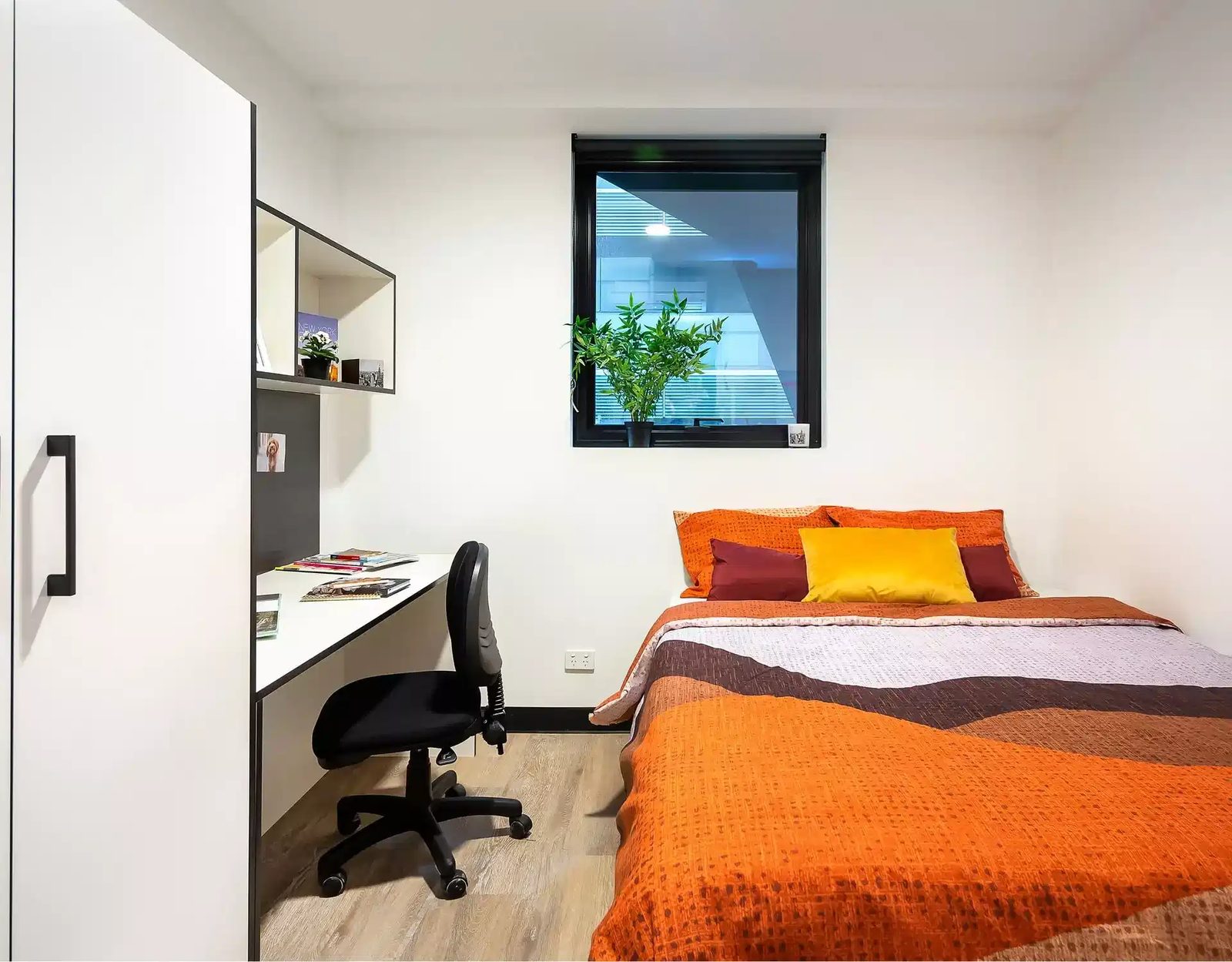
Rental prices in Trento follow a moderate‑to‑high pattern for northern Italy. Because no specific residence data was provided, the following cost bands are based on general market indications for the 2026/2027 academic year. All prices are indicative — confirm with the operator (landlord or agency) before committing.
- Shared room (singola in appartamento condiviso): €350 – €500 per month, utilities included or separate. Typical for students sharing a flat with 2–4 others. Best located in the historic centre or near the Mesiano campus.
- Single room in a student dormitory (collegio): €450 – €650 per month, often including meals, laundry, and Wi‑Fi. Public residences like Collegio Bernardo Clesio or Collegio del Duomo (run by Opera Universitaria) have limited spots and are assigned based on income and academic merit.
- Private studio or one‑bedroom apartment: €600 – €900 per month (unfurnished) or €700 – €1,100 (furnished). More realistic for doctoral students or those who prefer solitude. Availability is higher outside the centre but requires more travel.
Opera Universitaria, the regional agency for student services, offers subsidised housing for eligible students at significantly lower rates (around €250 – €400). Applications open each summer. International students can also apply, but competition is fierce. No external websites are listed here; you should check the university’s official housing page or contact Opera Universitaria directly.
Walk vs Transit Trade‑Off
The main trade‑off in Trento is between living in the historic centre (walkable to the administrative office and humanities faculties) and living in more peripheral neighbourhoods (cheaper rent, but a longer commute). For the Mesiano campus — where science and engineering are taught — living near the centre means a 20‑minute uphill walk or a 10‑minute bus ride. Buses run every 10–15 minutes during class hours, but less frequently on weekends and evenings. A monthly student bus pass costs roughly €25–€30 (indicative — confirm with Trentino Trasporti).
If you choose a place in the suburbs (such as Gardolo or Villazzano), expect a bus ride of 25–40 minutes. Rent may drop by €50–€150 per month, but you lose time and flexibility. Walking or cycling is pleasant in the centre but less practical in winter due to snow.
For most students, the sweet spot is a shared apartment within a 15‑minute walk of your main faculty building. Since the university’s departments are decentralised, you should identify your faculty location first. If you attend both the centre and Mesiano, aim for a location midway, such as the area around Piazza Dante.
Shortlist Logic Using Nearby Residences
No specific residences were provided in the data, so the following shortlist logic uses the geographic context of the university address (Via Calepina, 14) and common housing options in Trento.
When evaluating a potential home, apply these criteria:
- Distance to your faculty: If you are in humanities, limit your search to the historic centre and the area within 1 km of Via Calepina. If you are in STEM, prioritise Mesiano or the zone between the centre and the hill.
- Cost‑to‑commute ratio: For every €50 saved in rent, a 10‑minute increase in commute should be acceptable, but not more. Use Opera Universitaria’s subsidised options as your baseline.
- Contract type: Only accept regular registered contracts (contratto di affitto). Avoid “tourist” or short‑term agreements meant for stays under 6 months. Your rent should be declared to the authorities — this is essential for tax compliance and residence permit renewal (for non‑EU students).
- Utilities: Check if utilities (gas, electricity, water, internet) are included or capped. Many landlords advertise low rent but add separate bills that can reach €100/month.
- Community: Given the review’s comment about “insular people,” consider living with other international students in a shared flat to ease integration. Dormitories are good for meeting diverse people.
To shortlist, start with Opera Universitaria’s official list of recommended accommodations (available at their office near Via Verdi, 6). Then use local Facebook groups (e.g., “Affitti Trento Studenti”) and word‑of‑mouth. Always visit in person or arrange a video tour. Do not transfer deposits without a signed contract.
Frequently Asked Questions
How early should I start looking for housing?
For the academic year starting in September or October, begin searching in May–June. Many landlords list vacancies for the summer months. Opera Universitaria’s subsidised housing call usually opens in July. International students often need to book temporary accommodation for the first two weeks while they view flats.
Is it possible to live without Italian language skills?
Yes, but with limitations. Younger landlords and agencies often speak English. However, the local housing market communicates primarily in Italian. Bring an Italian‑speaking friend or use a translation app for contract clauses. Most student services at the university have English‑speaking staff who can help you.
What are the risks of informal rental agreements?
Informal agreements (no registered contract, cash payments) are common but risky. They prevent you from registering residency, which is needed for bank accounts and healthcare. They also leave you without legal protection against eviction or rent increases. Always insist on a registered contract, even if it costs slightly more.
Data date: 2026
Explore more: Browse all student housing guides