Campus Life and What Reviews Reveal
The University of Tsukuba campus occupies the second largest single site in Japan — a fact repeated by multiple reviewers. AZM Farhan Daud writes: “The second largest campus is Japan. Not to mention its quality of education, the campus is like a peaceful artwork. It has different views changing with seasons, and right now the winter is saying goodbye and the campus is transforming from grey to yellow and red.” The scale is echoed by Idreesイドリス: “Located in huge area of Tsukuba city making it Second largest single Campus in Japan. The environment is foreign friendly, more Programs in English, rich nature, variety of sports and exercise opportunities, convenient transpor.” Rasanja Ranasinghe adds: “One best universities in Japan. And probably the most foreigner friendly University. Very high level of academic quality. And this is the second largest university in Japan. It has large ground, parks, ponds.”
These reviews point to two housing‑relevant realities: the campus is both large and spread out, and the environment is deliberately international. Living close to your faculty building can significantly reduce walking time, but the university’s size also means that off‑campus accommodation in different parts of Tsukuba may require a bicycle or bus commute. A fifth reviewer, Peter Tamura, mentions a pro tennis final hosted by the university, indicating that sports facilities are actively used for events — another reminder that the campus is a destination in itself.
Tsukuba City Context
Tsukuba is a planned science city about 50 km northeast of central Tokyo. It was developed in the 1960s and 1970s to host research institutes and the University of Tsukuba (ranked 350 in the QS World University Rankings). The city has a population of roughly 240,000 and a noticeably green, low‑rise layout. Many streets are lined with cherry trees, and parks and ponds are common. Public transport within Tsukuba relies on buses, the Tsukuba Express train (which reaches Akihabara in about 45 minutes), and bicycles. Cars are used but less central to student life than in smaller Japanese towns.
The university address is 1‑chōme‑1‑1 Tennōdai, Tsukuba, Ibaraki 305‑8577. The main campus sits in the centre of the city, surrounded by residential neighbourhoods such as Takezono, Namiki, and Matsushiro. Because the city was planned around research functions, housing stock includes a mix of university‑owned apartments, private rental buildings, and public housing units (prefectural and municipal). Many landlords are accustomed to renting to international students, and English‑speaking real estate agencies operate in Tsukuba.
Budget Bands for Student Housing
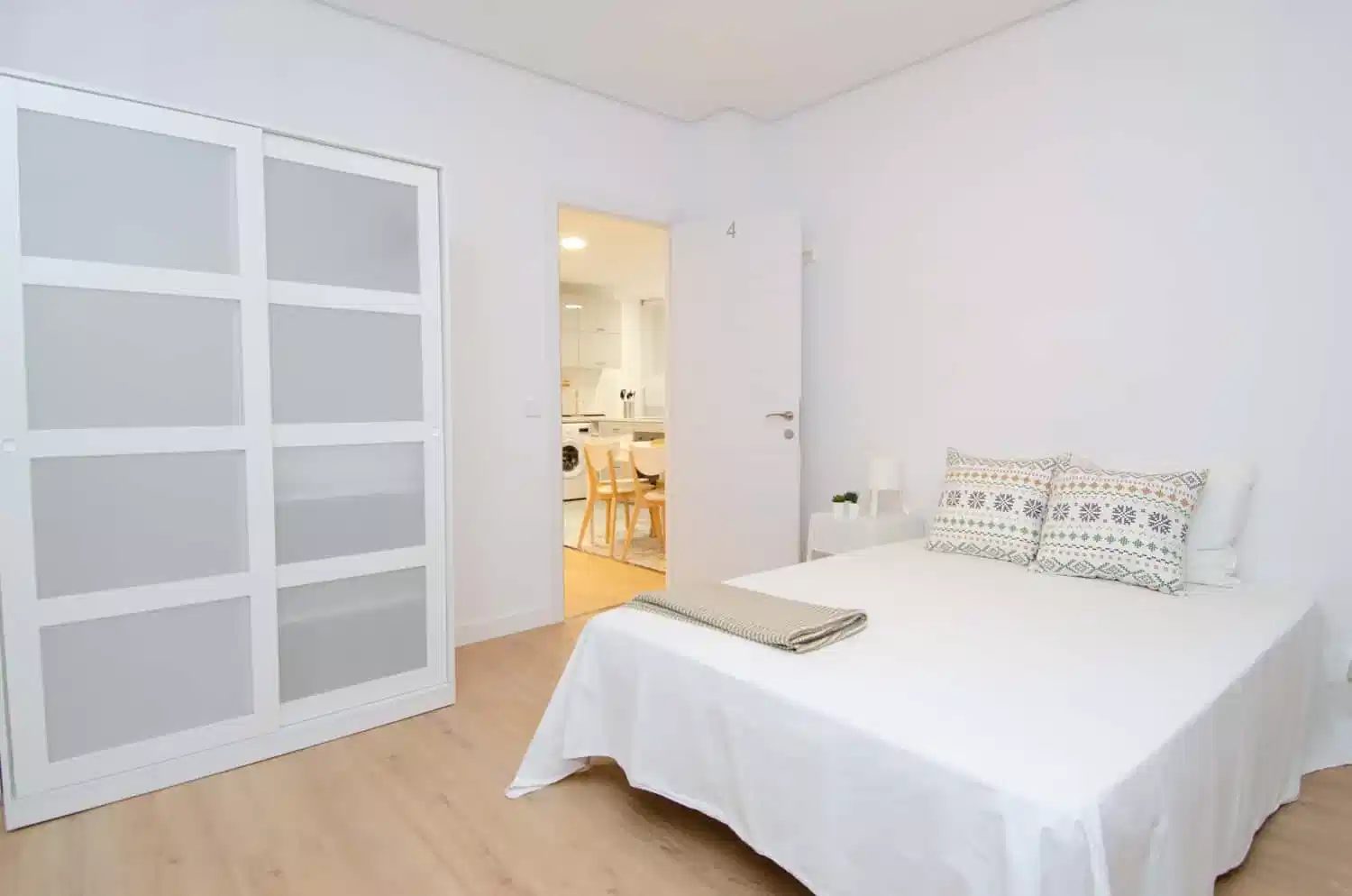
All prices below are indicative — confirm with the operator. Rental costs in Tsukuba are moderate compared with central Tokyo, though they vary by distance to campus and building age. Typical monthly rent ranges (for a 1K or 1DK apartment of 20–35 m²) as of 2026 are:
- Budget band (economy): ¥35,000 – ¥50,000. Units tend to be older (built before 2000), located 20–30 minutes by bus or bicycle from the main campus. They often have shared toilets and a separate kitchen, or a combined layout. Water and heating costs are separate.
- Mid‑range: ¥50,000 – ¥70,000. This is the most common band for students. Apartments are 5–15 years old, within 15–25 minutes’ walking or cycling distance from the university. Many include a small balcony, built‑in air conditioner, and a separate bathroom and toilet.
- Premium band: ¥70,000 – ¥95,000. Newer buildings (post‑2020) or larger layouts (2K, 1LDK) near the Tsukuba Express station or the central part of campus. Some include appliance packages and internet.
Shared houses (guesthouses) are also available, typically costing ¥30,000 – ¥50,000 per room including utilities and common area bills. These are popular for short‑term stays or students who want a ready‑made social circle.
Walk vs Transit Trade‑off
Because the university campus is so large, the walk from a neighbourhood on one side to a classroom on the far side can exceed 25–30 minutes. Students who prefer walking should target residences in the same sector as their faculty building. For example:
- Faculty of Humanities and Social Sciences (southwest corner) – walking distance is best from Takasago or Kasuga.
- Faculty of Science and Engineering (north‑central) – Namiki, Takezono, or Matsushiro are convenient.
- Faculty of Health and Sport Sciences (east side) – closer to the athletic zones; consider Hanashi or Sakura.
If you live farther than a 15‑minute walk, a bicycle is almost essential. Tsukuba is flat and bicycle‑friendly, with many dedicated paths. A used bicycle costs ¥5,000–¥15,000; renting from a share‑bike service (e.g., NTT Docomo Bike Share stations near the campus) costs about ¥1,000 per month for a basic plan.
Public buses run from Tsukuba Centre (near the station) to the university’s main gate every 5–10 minutes during peak times, with a one‑way fare of ¥200–¥300. A monthly bus pass costs around ¥8,000–¥10,000. The Tsukuba Express train is primarily used for trips to Tokyo, not for local commuting.
For students who study late or participate in club activities, a bicycle remains the most reliable option because bus frequencies drop after 9 p.m. Walking alone at night is safe in Tsukuba (the city has a very low crime rate), but the campus’s large, wooded areas can feel isolated.
Shortlist Logic Using Given Nearby Residences
The data provided does not include a list of specific nearby residences. However, based on general availability in Tsukuba and the university’s location, you can apply the following filter logic to build your shortlist from any housing platform:
-
Distance filter:
- If you want to walk (≤15 min), set the search radius to 1.2 km from the centre of campus (near the Central Library or the Clock Tower).
- If you are comfortable with a 10‑minute bicycle ride, expand to 2.5 km.
- If you plan to use the bus, consider areas up to 4 km away (e.g., Kukizaki, Shimotsuma direction).
-
Building age vs. insulation:
- Japanese apartments built after 1981 follow stricter earthquake codes. For the 2026 academic year, priority for safety should be buildings constructed after 2000. Look for “新耐震基準” (new earthquake resistance standard) in listings.
-
International‑friendly features:
- Listings that mention “外国人可” (foreigners OK) or provide English support are common in Tsukuba. Also check whether a guarantor service is included; many landlords require a Japanese guarantor, but some universities offer a guarantor scheme for international students.
-
Lease terms:
- Typical contracts are 2 years. For a 4‑year degree, a one‑time renewal fee of 1–2 months’ rent applies. Short‑term (6‑month) leases exist but are less common and usually command a 20% premium.
-
Included costs:
- Ask whether utilities (electricity, gas, water), internet, and management fees are separate. Many mid‑range and premium units include internet; budget units typically do not.
-
Reviews and photos:
- Check Google Maps reviews for the building or management company. The university campus has 4.3 stars from 722 reviews — a strong indication of overall satisfaction with the area. For a specific apartment, look for mentions of noise, pest issues, and landlord responsiveness.
Example of how you would apply this logic (no specific residences are given, so this is a template):
Suppose you find a 1K apartment in Takezono listed at ¥55,000 per month. It is a 2005 building, 8 minutes by bicycle from the School of Engineering. The listing states “外国人可” and includes a free internet line. You calculate that the monthly cost (rent + utilities) will be about ¥65,000. This fits your mid‑range budget band, and the commute matches your preference. You then check Google Maps to see the building’s distance to a convenience store (within 200 m) and a bus stop (100 m). If the reviews are positive, you shortlist it. For a second option, you look at a guesthouse in Namiki at ¥42,000 including utilities but with a shared bathroom and 20‑minute walk to the Humanities building. The trade‑off is lower cost for longer walk – you decide based on your tolerance.
Without a pre‑populated list, the above logic allows you to systematically evaluate any residence you find on your own.
FAQ
1. Is it cheaper to live in the university dormitory or a private apartment?
University dormitory fees (for single rooms) are typically ¥25,000–¥40,000 per month including utilities, lower than most private apartments. However, availability is limited and there is a long waiting list for international students. Contracts are usually for 6 months to 1 year. Private apartments offer more independence and longer terms. As of 2026, a budget private apartment starts at ¥35,000 (indicative — confirm with the operator). Compare total cost including utilities and guarantee fees before deciding.
2. How do I find a guarantor for renting in Tsukuba?
Many international students use the university’s “International Student Guarantor System” (if eligible), which acts as a surety for the contract. Alternatively, some real estate agencies offer paid guarantor services (¥20,000–¥40,000 per year). The “外国人可” filter in listings usually means the landlord accepts a guarantor company instead of a personal Japanese guarantor. Always ask the agency whether a guarantor is required before signing.
3. What is the best time to start looking for housing?
The academic year in Japan starts in April, and the main housing search period runs from January to March. For the 2027 academic year, begin contacting agencies in November 2026 for the most choice. If you start later (e.g., March 2027), many popular units near campus will already be taken, and you may need to accept a longer commute or a higher price. For a September/October start (some graduate programs), search at least three months in advance.
data-date: 2026-03-15 (indicative date for publication)
Explore more: Browse all student housing guides