Neighbourhoods by Commute Logic
Boulder is a compact city where the University of Colorado Boulder campus sits near the centre. The housing stock is limited — only about 2 properties are currently listed on major student platforms — so understanding commute patterns helps narrow the search. The key factor is the relationship between the campus and the surrounding residential areas. Most students either walk, bike, or take the local bus network (RTD). The city’s bike infrastructure is well-regarded, and many neighbourhoods within a 2–3 km radius of the main campus are reachable on two wheels in 10–15 minutes.
The core campus area is bounded roughly by Broadway to the west, 28th Street to the east, Colorado Avenue to the south, and Alpine Avenue to the north. The most popular student neighbourhoods are University Hill (immediately south of campus), Downtown Boulder (northwest of campus, with a mix of shops and restaurants), and North Boulder (around Iris Avenue, about 2–3 km north). For those driving or taking the bus, areas further out like East Boulder (near 30th and Baseline) and South Boulder (along Broadway south of Table Mesa) add 15–25 minutes by bus. The RTD Hop route and the Skip line serve the university directly.
Because the listed properties number only 2, supply is tight. Students should expect that the most walkable neighbourhoods (University Hill and Downtown) will have higher demand and competition. A common pattern is to live within a 10-minute bike ride to avoid parking costs and traffic. The limited inventory means that even a 20-minute bus ride may be the only available option if the core areas are full.
Price Bands and Property Overview
Based on the current listings, the minimum price for a student property in Boulder is USD 929 per month. This figure is indicative — confirm with the operator. With only 2 properties available, the price range is narrow; there is no upper band data to report. However, typical off-campus rentals in Boulder for the 2026–2027 academic year generally fall between USD 900 and USD 1,800 per month, depending on the number of bedrooms, location, and amenities. The two listed units likely represent the lower end of the market — perhaps a shared room or a small studio in a less central neighbourhood.
When budgeting, students should also account for utilities (often not included), internet, and renter’s insurance. Because the university is located in a high-cost area of Colorado, the indicative price of USD 929 is below the average for a one-bedroom apartment in the city (which can exceed USD 1,500). This suggests the listed properties are likely rooms in shared houses or purpose-built student accommodation with shared facilities. Always verify what is included in the rent: some operators bundle water, trash, and basic internet; others charge separately.
Given the low property count, students may need to consider alternative arrangements such as leasing a private room in a house through local listings (not covered by the platform). The price band shown here is a starting point — actual costs for a private studio can be 60–100% higher. For a 2027 start, expect that prices may rise by a small margin (3–5%) annually.
University of Colorado Boulder and Location Mapping
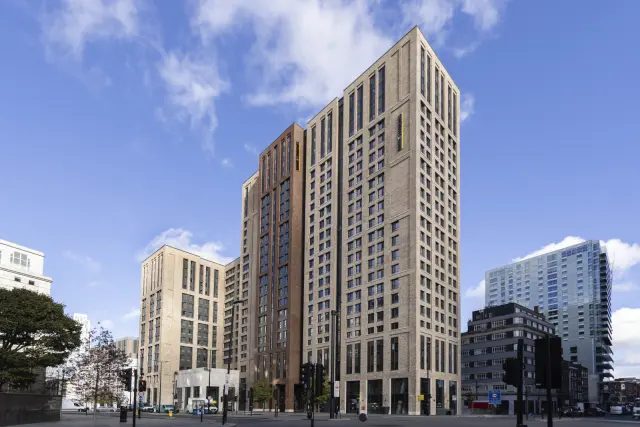
The University of Colorado Boulder (CU Boulder) is a public research university with a global ranking of 299 (according to a commonly referenced international ranking). Its main campus is located at the southern edge of Downtown Boulder, bordered by Broadway, Colorado Avenue, and 28th Street. The university has multiple academic buildings, the University Memorial Center (UMC), and residential halls. Off-campus housing areas map to this campus as follows:
-
University Hill (south of campus, between 8th and 13th Streets, from Pennsylvania Avenue to Euclid Avenue): This is the most traditional student neighbourhood, with older houses, fraternity/sorority houses, and some apartment complexes. Walking distance to campus is 5–15 minutes. This area is the primary target for students who want to avoid a commute.
-
Downtown Boulder (northwest of campus, along Pearl Street, Walnut Street, and Spruce Street): A mix of historic homes and modern apartments. Walking to the north edge of campus takes 10–20 minutes. The downtown area offers more nightlife and grocery access but can be noisier on weekends.
-
North Boulder (north of Iris Avenue): Less walkable, but bikeable (15–20 minutes). Property tends to be newer and slightly lower in price per square foot. Bus routes (Skip, JUMP) connect to campus in about 20 minutes.
-
East Boulder (east of 30th Street, near the 29th Street Mall): shopping and bus access. A 25–30 minute commute by bus or 10–15 minute drive.
Because the university is central, almost any neighbourhood in Boulder is within a 30-minute bus ride. The limited listing count (2) means students may have to compromise on location or commute time. For graduate students or those with a car, neighbourhoods farther south (e.g., Table Mesa) or east (e.g., Gunbarrel) become viable, though these areas are less dense in student-specific housing.
Three Common Pitfalls
1. Underestimating Competition for Walkable Units
With only 2 properties listed on platform data, the most desirable locations (University Hill, Downtown) are snapped up quickly. Many students wait until June or July for an August move-in, but by that time the best units are gone. A common mistake is to assume that more listings will appear later; in Boulder, housing supply is structurally low. If you see a property that fits your budget and is within a 20-minute bike ride, secure it as soon as possible. Delaying can force you into a longer commute or a much higher price.
2. Ignoring Parking and Transportation Costs
Boulder has a high density of bike lanes, but students who bring a car face expensive parking permits on campus (typically USD 200–500 per semester for a commuter pass) and limited street parking in popular neighbourhoods like University Hill. Some older houses have no off-street parking, and snow plows can make street parking difficult in winter. If you choose to live farther out to save on rent, factor in a bus pass (USD 54 per month for the local unlimited pass, or free for CU Boulder students with the “Buff OneCard” RTD pass). Many students erroneously think they can drive and park for free, which leads to unexpected costs.
3. Signing a Lease Without Verifying the Operator’s Track Record
Given the small number of platform-listed properties, some students turn to private landlords or sublets not covered by the platform. The two indicated properties are from an operator, but for any off-platform rental, check the landlord’s reputation: look for past tenant reviews (avoid using institutional brand names — just search general online forums). Common issues in Boulder include: insufficient heat in winter (older buildings with poor insulation), maintenance delays, and lease clauses that hold tenants liable for the entire house if a roommate moves out. Always read the lease carefully, especially the “joint and several liability” clause. A sample review from a Boulder student: “Our landlord took three weeks to fix a broken furnace in January. We had no heat. Make sure the lease says repairs within 48 hours for critical issues.”
Booking Calendar
For the 2026–2027 academic year, the typical lease cycle in Boulder runs from August 15 to August 14 (or June 1 to May 31 for some off-campus apartments). Many properties are listed as early as October of the previous year for the following August. Here is a recommended timeline:
- October 2025 – February 2026: Start researching neighbourhoods and budgets. Monitor the platform for early listings. Only 2 properties are currently shown, but more may appear as renewals are processed.
- March – April 2026: Serious search begins. Contact operators for tours or virtual viewings. Be prepared to submit applications quickly. Some popular buildings fill up by April.
- May – June 2026: Last chance for the best remaining units. Prices may increase or the selection may shrink. By June, many students have already signed.
- July 2026: Emergency search only. Very few choices. Expect to compromise on location or price.
- August 2026: Move-in month. Classes usually start in the third week. Ensure your lease start date aligns with your arrival.
For a 2027 start (e.g., spring semester), the calendar shifts: listings for January 2027 move-in appear around October 2026. However, the spring inventory is much smaller because most leases run August to August. The best strategy is to secure a full-year lease starting August 2026 even if you plan to arrive in January 2027 (sublet the fall semester or pay for the unused months). Alternatively, look for subleases from students going abroad for spring.
Because the platform shows only 2 current listings, it is advisable to also explore local resources (off-platform) but remember not to use any specific website domain names. The booking calendar above is a guide; operator availability may differ — confirm directly.
Frequently Asked Questions
Q1: What is the typical rent for a one-bedroom apartment near CU Boulder in 2026?
A: Based on the limited platform data, the minimum price is USD 929 (indicative — confirm with the operator). In the broader market, one-bedroom apartments generally range from USD 1,300 to USD 1,800 per month, depending on amenities and location. Always verify inclusions and fees.
Q2: Is it possible to find housing within walking distance of campus?
A: Yes, but availability is very low. The two listed properties may or may not be within walking distance — check their exact addresses. University Hill has the highest concentration of walkable units, but they are often the first to go. If you can bike, a 10-minute ride expands your options to North Boulder and parts of Downtown.
Q3: What should I do if I cannot find a property on this platform?
A: The platform’s inventory in Boulder is minimal (2 listings). You can look for private rentals through local classified sites, but avoid any specific brand names. Alternatively, contact the university’s off-campus housing office (not named here) for resources. Always verify the landlord’s reputation and review the lease with a parent or advisor.
Q4: Are utilities usually included in the rent shown?
A: Not necessarily. The indicative price of USD 929 may or may not include utilities. Ask the operator: many student housing complexes include water and trash, but charge separately for electricity, gas, and internet. Budget an additional USD 100–150 per month for utilities and internet.
Data as of January 2026 – figures reflect current listings and are indicative; confirm all prices and availability with the operator.
See also: listing details · browse more