Understanding Cleveland’s Student Housing Landscape
Cleveland, Ohio, is home to Case Western Reserve University, a private research institution ranked 294 globally. The city offers a moderate cost of living compared to other US student cities, but housing options for students vary significantly by neighbourhood and commute. Currently, there is one listed student property with a starting monthly rent of USD 1,111 (indicative — confirm with the operator). This article guides you through neighbourhoods, price expectations, common pitfalls, and booking timelines for the 2026–2027 academic year.
Neighbourhood Logic by Commute
The main university campus is located in University Circle, a cultural and educational hub about 5 miles east of downtown Cleveland. Student housing options cluster in a few key areas, each with a different commute profile.
University Circle (Campus area) – Walk or bike to most university buildings in under 10 minutes. This neighbourhood also hosts museums, parks, and restaurants. Rent tends to be higher, often starting around USD 1,200–1,500 for a studio or one-bedroom (indicative — confirm with the operator). Shared apartments or houses can be found from USD 700–1,000 per room. Proximity to campus means no transportation cost.
Cleveland Heights – Located immediately east of University Circle, this residential suburb offers more affordable rents. A typical one-bedroom ranges from USD 800–1,100 (indicative). Commute: 10–15 minutes by bus or bike; a short drive. Many graduate and upper-division students live here.
Little Italy / Murray Hill – Just south of University Circle, this walkable neighbourhood has a mix of historic apartments and newer units. Rent is comparable to University Circle (USD 1,100–1,400). Commute: 5–10 minutes on foot or by free shuttle.
Downtown Cleveland – A 15–20 minute bus ride or 10-minute drive from campus. Rent for a studio starts around USD 1,200–1,600 (indicative). Downtown offers more nightlife and high-rise living, but commuting costs and time are higher. Fewer undergraduate students choose this area due to the distance.
Other areas – Shaker Heights and Lakewood are further out (20–30 minutes by car) and generally less popular among students.
When choosing a neighbourhood, consider that public transit (RTA buses and light rail) reaches the university, but schedules can be limited evenings and weekends. A car is helpful but not essential if you live in University Circle, Little Italy, or along the RTA Blue/Green line.
Price Bands from Available Data
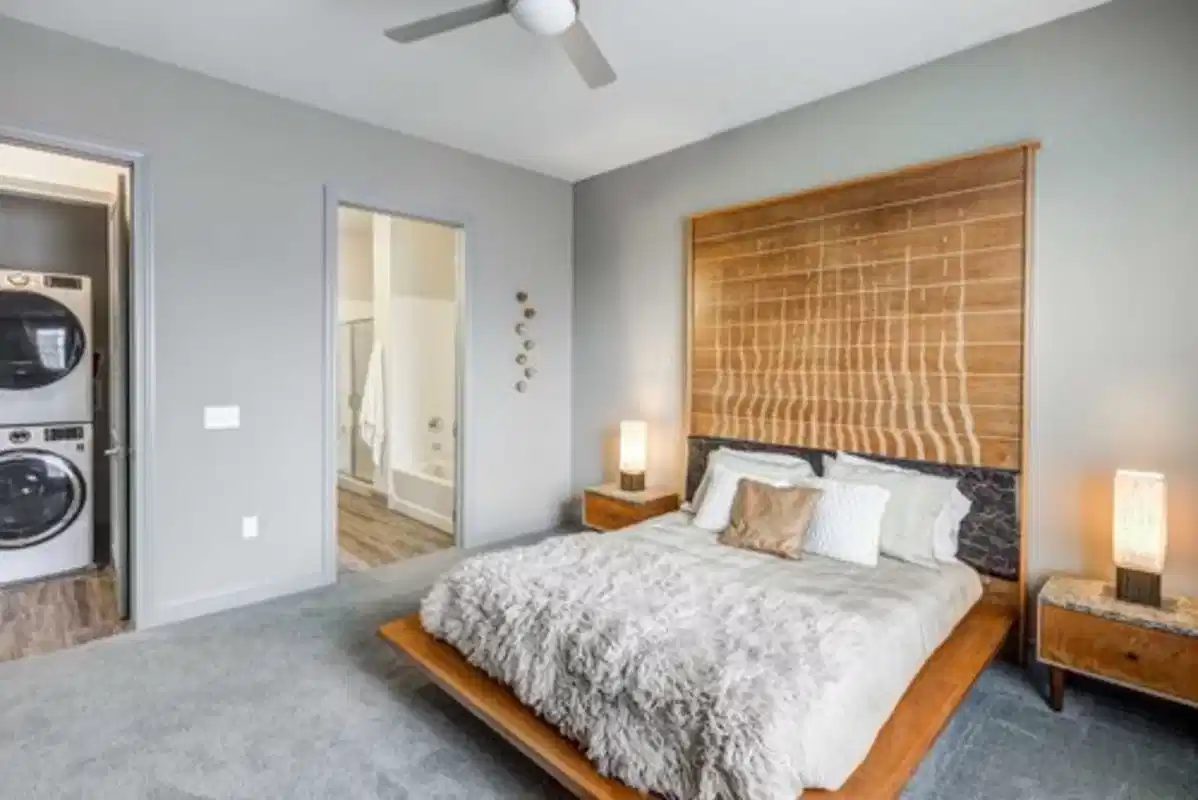
Based on the single listed property in the current dataset, the only available price point is USD 1,111 per month for a studio or one-bedroom unit (indicative — confirm with the operator). This price likely falls in the mid-range for University Circle or Little Italy.
For the 2026–2027 academic year, here are typical price ranges by room type, based on general market observations (not from the single property):
- Shared room (house or apartment): USD 500–800 per month (indicative)
- Private room in shared apartment: USD 700–1,000 (indicative)
- Studio or one-bedroom: USD 1,000–1,500 (indicative)
- Two-bedroom apartment: USD 1,500–2,200 total (indicative)
The listed property at USD 1,111 sits near the lower end for a private unit. Because the dataset contains only one property, no further price band analysis is possible. Always verify current rents with individual landlords or property managers.
How Case Western Reserve University Maps to Local Areas
Case Western Reserve University (ranked 294 globally) operates primarily from its 550-acre campus in University Circle. This area is also home to several other institutions (Cleveland Clinic, University Hospitals, Cleveland Institute of Art), but most undergraduate and graduate classes are concentrated on the main campus near Euclid Avenue and Adelbert Road.
- Main academic buildings (lecture halls, labs, library, student centre) are within a 10-minute walk from most housing in University Circle and Little Italy.
- Health Sciences campus is adjacent to the main campus, just south of Cedar Road.
- Weatherhead School of Management is on the main campus.
- School of Law is near the southeast corner of the campus.
Living in University Circle means you can walk to all academic buildings. Students in Cleveland Heights or downtown typically rely on the RTA Red Line (downtown to University Circle in 20 minutes) or bus routes 9, 11, and 38. Bike lanes connect some areas, but winters can limit cycling.
The university offers a free shuttle (CWRU Shuttle) that runs between campus, Little Italy, and some nearby apartment complexes during weekday evenings. For night or weekend travel, a car or rideshare may be needed.
Three Common Pitfalls for Student Renters in Cleveland
1. Underestimating Winter Heating Costs
Cleveland experiences cold winters with average January lows around 20°F (−6°C). Many older buildings have inadequate insulation or outdated heating systems. If utilities are not included in the rent, your monthly heating bill can add USD 100–300 during winter. Always ask the landlord about average utility costs and whether heat is included. Prefer apartments with separate heating bills if you want to control usage, but factor in the cost.
2. Lease Timelines Mismatching the Academic Year
Most standard leases in Cleveland run on a 12-month calendar (starting June or August). If you need a 9-month lease (August to May), you may have fewer options. Some student-oriented properties offer 10- or 12-month terms but allow early termination with a fee. Others may require a full year lease. If you plan to leave in May, negotiate a sublease clause or look for properties that offer shorter leases. The listed property may have different terms — confirm with the operator.
3. Limited Public Transit After Hours
While daytime service to the university is reliable, buses and trains run less frequently after 9 pm and on weekends. If you study late at the library, socialise downtown, or work a late shift, you may need a backup plan like rideshares or a bike. Some neighbourhoods like Cleveland Heights have less frequent bus routes. Students without cars should prioritise living within walking distance of campus or on a direct bus line that runs until at least midnight.
Booking Calendar for 2026–2027
For the academic year starting in August/September 2026, follow this timeline:
- January–March 2026 – Research neighbourhoods and decide on budget. Contact the university’s off-campus housing office (not named) for listings. Start looking at properties like the one listed at USD 1,111 (indicative — confirm with the operator). Some landlords begin pre-leasing for August as early as February.
- April–May 2026 – Major booking period. Many student apartments require deposits by late spring. Schedule visits (in person or virtual) and compare lease terms. Be aware that the best units, especially near campus, get taken by May.
- June–July 2026 – Late booking. Fewer options remain, and prices may be similar or slightly higher. If you haven’t secured housing, expand search to Cleveland Heights or Shaker Heights. Some properties offer move-in for July with a 12-month lease.
- August 2026 – Move-in. Confirm utility setup, internet, and renter’s insurance. Check for any last-minute openings, but expect limited availability.
For a spring start (January 2027):
- September–October 2026 – Start searching. Landlords may release units for January after fall term ends.
- November–December 2026 – Secure a lease. Options are fewer than for fall; sublets from graduating students are common.
Note: The single property listed may have its own availability windows — confirm directly with the operator.
Frequently Asked Questions
1. What is the typical rent near Case Western Reserve University?
Based on the single listed property, a studio/one-bedroom starts at USD 1,111 per month (indicative — confirm with the operator). In University Circle, studios often range from USD 1,100 to 1,500. Shared rooms can be found for USD 500–800. Always confirm current prices, as rents may vary by building and season.
2. Is it cheaper to live with roommates or alone?
Roommates usually reduce your share of rent and utilities. A single room in a shared apartment may cost USD 700–1,000, while a studio or one-bedroom unit like the one at USD 1,111 costs more but provides privacy. Weigh the trade-off between cost and personal space. Sharing a larger apartment with two or three roommates gives you the most affordable option.
3. When should I start looking for housing for the 2026 fall term?
Begin your search in January–March 2026. Most good units near campus are leased by May. Starting early gives you access to more choices and better chances to negotiate terms. For the property at USD 1,111, check availability as early as possible.
4. Are utilities usually included in student rent?
It varies. Some include water and trash, while electricity, gas, and internet are typically extra. The listed property may or may not include utilities — confirm with the operator. In winter, gas heating can cost an additional USD 100–200 per month. Always ask for a breakdown before signing a lease.
Data current as of early 2026 — always verify with the housing operator.
See also: listing details · browse more