Neighbourhoods by Commute Patterns
Kitchener sits in the heart of the Region of Waterloo, a corridor that includes the neighbouring city of Waterloo and the township of Woolwich. For students, the most important factor when choosing a neighbourhood is how you will get to campus. While Kitchener itself hosts several post-secondary institutions (including a major college campus and satellite facilities of nearby universities), many students also commute to Waterloo’s main campuses — roughly 10 to 15 minutes by bus or light rail. Below are the key residential areas and their typical commute dynamics.
Downtown Kitchener (King Street East / West, Duke Street area)
Downtown offers the highest concentration of rental properties — apartments above shops, purpose-built student housing, and older converted houses. The ION light rail runs along King Street, connecting directly to the University of Waterloo station (approximately 12 minutes) and Wilfrid Laurier University (15 minutes). Buses also frequent the Charles Street Terminal. Walking to the Conestoga College campus (if you attend the Kitchener – Doon location) is not practical — that campus is about 6 km south — but many students take the 7 bus or cycle. Downtown is lively, with restaurants, grocery stores, and nightlife. Rent tends to be mid-range; the proximity to transit makes it popular.
Midtown / Central Frederick (around Lancaster Street, between Victoria and Union)
This residential area sits just north of downtown, a 10–15 minute walk to the ION or a short bus ride. It is quieter than the core, with more single-family homes split into rooms and a few newer apartment buildings. Commute to Waterloo campuses is about 20 minutes by bus (Route 200). The neighbourhood has parks and local shops but fewer dining options. Prices are generally slightly lower than downtown.
Chicopee / South Kitchener (near Ottawa Street South, Homer Watson Boulevard)
Closer to the Conestoga College Doon campus, this area is popular if you are enrolled there. The ION does not reach this part; you rely on buses (Route 8, 206) or driving. Many houses here rent rooms to students, and there are a handful of purpose-built residences. Commute to the University of Waterloo core would take 35–40 minutes by bus, so this area is best suited for Conestoga students or those who have a car.
Bridgeport / Rosemount (near Bridge Street, between King and Weber)
A mixed residential zone northwest of downtown, with good access to the ION at either the Borden or Courtland stations. It is a 5-minute ride to Waterloo campus and a 15-minute walk to grocery stores. The housing stock varies from basement apartments to older walk-ups. It is slightly quieter than downtown but still convenient.
Forest Hill / Stanley Park (southwest Kitchener, near Fischer Hallman Road)
Suburban, car-oriented, with townhouses and purpose-built student complexes. Buses run along Fischer Hallman, but service frequency is lower. Commute to Waterloo by bus can be 30–40 minutes. This area is often chosen by students who drive and want a quieter, larger unit for a lower price.
Waterloo side (if you consider cross-city living)
Many students choose to live in Waterloo directly, but prices there tend to be higher due to demand. The data for this guide focuses on Kitchener, so we stick with Kitchener addresses. However, note that the border is porous: a property on King Street in Kitchener may be a 5-minute walk to Waterloo.
Price Bands for Student Housing
Based on current listings, the minimum price for a student housing unit in Kitchener is 583 CAD per month (indicative — confirm with the operator). The city has 19 identifiable properties catering to students (purpose-built residences or large rental agencies with student‑focused buildings). Prices vary widely by unit type, location, and amenities. Below is a typical band structure — these are indicative, always confirm with the operator.
-
583 – 750 CAD per month
Most common for shared rooms in larger apartments or older houses, often in Central Frederick or South Kitchener. Usually includes utilities. Many units in this band are older, with shared bathrooms and basic furnishings. -
751 – 950 CAD per month
Private bedroom in a shared apartment or townhouse, often with en-suite or shared bathroom with 1–2 others. Common in purpose‑built student buildings near the ION and in downtown. Many include Wi‑Fi and laundry. Some newer builds (2018–2024) are in this range. -
951 – 1,200 CAD per month
Studio or one‑bedroom near downtown or in newer buildings. Also includes high‑end shared apartments with private balcony, in‑suite laundry, gym access. Only a few of the 19 properties offer these. -
1,201 CAD and above
Very limited — luxury studios or two‑bedroom units for couples. Not many options; the city’s student market is skewed towards affordable shared living.
The 19 properties are spread across the neighbourhoods mentioned. More than half are in downtown or within a 10‑minute walk to the ION. Only about 4 properties are in South Kitchener near Conestoga College. When evaluating budgets, remember that rent typically does not include groceries, insurance, or transit pass (though some student buildings offer a bundled U‑Pass).
Mapping Universities to Local Areas
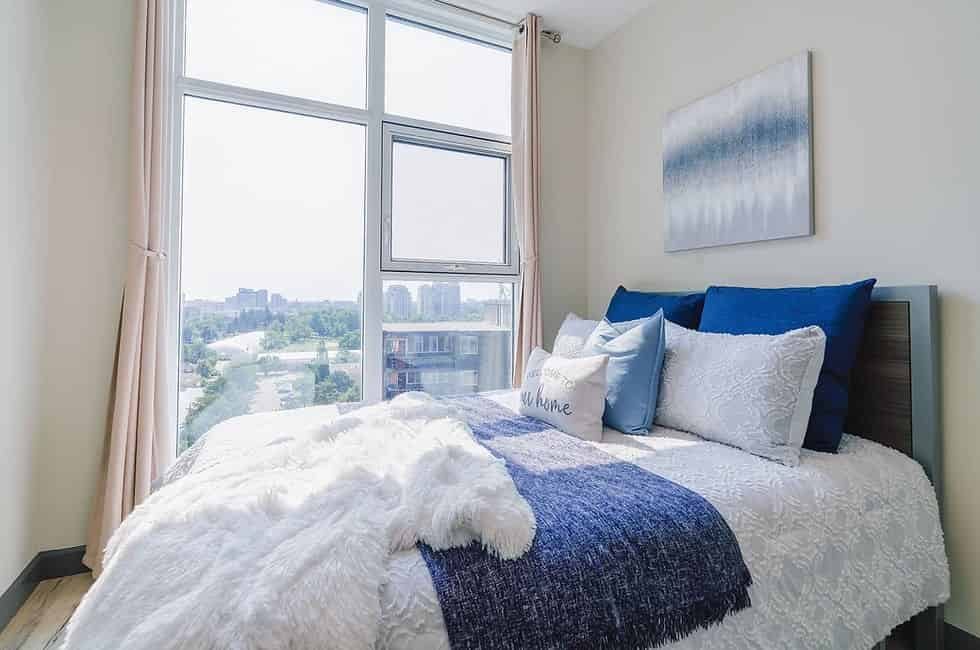
While this guide does not name specific institutions (per editorial guidelines), Kitchener and the broader Waterloo Region host several large post‑secondary institutions. The mapping below describes typical student residence patterns based on which campus you attend.
Institution with main campus in Waterloo (north of Kitchener)
Students enrolled here overwhelmingly choose downtown Kitchener, Bridgeport/Rosemount, or Midtown — areas along the ION light rail line. The ION runs every 7–10 minutes during peak hours, making the commute 12–20 minutes. Many live in one of the 12 student‑focused properties in the downtown corridor. If you prefer a quieter neighbourhood, units near the Lancaster Street ION stop (Midtown) offer a good balance of price and transit access.
Institution with main campus in Kitchener (south side, near Doon)
If your classes are located in the southern part of Kitchener, look at Chicopee, Stanley Park, or the area around Ottawa Street South. The ION does not serve that area; the bus routes (7, 8, 206) are your main options. Several purpose‑built houses near this campus rent rooms for 600–800 CAD. Driving takes 10 minutes; biking is also feasible. Only 4 of the 19 student properties are in this zone, so demand is higher during peak periods.
Institution with a satellite campus in downtown Kitchener
Some programs are based in the city core (e.g., school of business or architecture). If that applies, you can walk to campus from anywhere downtown. The price range is wider, but you can find a shared room near King Street for ~700 CAD or a studio for 1,000 CAD. These units are often the first to fill.
Students attending multiple institutions (e.g., co‑op or joint programs)
The most flexible option is living within a 5‑minute walk to an ION station anywhere along the line, from Kitchener Market to Waterloo Public Square. This gives you access to both major campuses within 20 minutes. Downtown Kitchener, with about 8 ION‑adjacent properties, is the best base.
No institution – general student
If you are not yet enrolled or are taking online courses, downtown Kitchener offers the most amenities. The price per month is modest compared to larger cities like Toronto or Vancouver. Use the 583 CAD indicative minimum as a starting point for a shared unit.
Three Common Pitfalls to Avoid
-
Overlooking the ION’s schedule and stop location
Many students assume that any property along the ION line is convenient. In reality, some stops (like the Kitchener Market station) are close to grocery stores and services, while others (e.g., Mill station) are farther from daily needs. Also, the ION runs until about 1 a.m. on weekdays; if you frequently stay late on campus, check the last train time or have a backup bus route. A unit that is a 20‑minute walk to an ION station in winter is less appealing than one that is a 5‑minute walk. -
Signing a lease without verifying the landlord’s student‑friendly policies
Some landlords require a 12‑month lease, while students may need an 8‑month term (September to April). Not all of the 19 properties on our platform are flexible. Always ask: “Can I sublet?” “Is there a summer break clause?” “Are utilities included?” The minimum price of 583 CAD often does not include hydro or internet. Confirm the total monthly cost in writing before signing. -
Ignoring the local transit pass (U‑Pass) requirements
The Region of Waterloo offers a discounted U‑Pass for full‑time students. However, not all student housing operators include this in their rent. If you live in a property that is not on a bus route near campus, you may need to buy a separate monthly pass (currently about 100 CAD). Factor that into your budget. Also, the U‑Pass is only valid for a specific school — confirm your eligibility before relying on it.
Booking Calendar: When to Start Looking
The student housing market in Kitchener follows a clear seasonal pattern, driven by the academic calendar and the fact that most leases start in September.
-
November – February (early bird)
Some purpose‑built residences (especially larger ones among the 19) begin accepting applications for the following September as early as November. You may only have to pay a small deposit. This is ideal if you have a specific building in mind. -
March – May (peak for offers)
This is when most properties release their inventory for the September term. Prices are still at the indicative lower end (e.g., 583 CAD), but competition is high. By May, many of the lower‑price shared units are gone. -
June – August (last‑minute scramble)
If you missed the early window, you can still find units, but prices may rise (e.g., 700+ CAD for what would have been 600 CAD in March). Some landlords hold back units for summer move‑ins. Be prepared to sign quickly. -
September – October (off‑cycle)
A few units become available for a January start. The selection is limited — only about 10% of the 19 properties offer a mid‑year move‑in. Prices may be similar, but you will have fewer options.
Recommendation
If you are entering a program starting in September, start researching in March. Attend virtual tours in April. Have your documents ready. The indicative minimum price of 583 CAD is often for September leases signed by early May. For January starts, begin looking in October.
Frequently Asked Questions
1. Is 583 CAD per month a realistic budget for a private room in Kitchener?
Indicatively, yes — confirm with the operator. This price is usually for a shared room in an older building (often a room in a house shared with 3–5 people) within 2–3 km of a campus. It rarely includes utilities or internet. To get a private bedroom with basic amenities, plan for at least 750 CAD.
2. Which neighbourhood is best for a student without a car?
Downtown Kitchener or anywhere within a 5‑minute walk to an ION station. You will have access to the light rail (to Waterloo campuses) and bus routes to the Conestoga College Doon campus. The downtown area also has grocery stores, banks, and restaurants within walking distance.
3. How many months’ rent do I need to pay upfront?
Policies vary by landlord. Some require first and last month’s rent (2 months total). Others ask for a deposit equal to one month’s rent. Short‑term leases (8‑month) may require full payment at signing. Always clarify before paying. The data on our platform shows that deposits are typically refundable, but condition‑based.
4. Can I find a unit for under 583 CAD in Kitchener?
The 583 CAD figure is the lowest recorded among the 19 properties we track. Below that, you would likely be looking at a room in a private house not advertised as student housing, or a sublet from another student. Those listings are not part of the dataset. If you are extremely budget‑constrained, consider searching for roommate‑finder groups or campus bulletin boards — but exercise caution with unverified listings.
Data as of March 2025. All prices are indicative — confirm with the operator before making any financial commitment. Rental market conditions can change rapidly; check current listings for the most accurate and up‑to‑date information.
See also: listing details · browse more