Overview of Student Housing in Liverpool
Liverpool offers a compact and walkable city centre, making student housing choices relatively straightforward if you focus on commute time to campus. The University of Liverpool (QS World University Ranking 147) is located near the city centre, with its main campus straddling the areas around Brownlow Hill and Oxford Street. Our portfolio includes 32 student properties across Liverpool, with prices starting from 80 GBP per week (indicative — confirm with the operator). The following guide breaks down neighbourhoods by commute logic, price expectations, common pitfalls, and a booking calendar for the 2026-2027 academic year.
Neighbourhoods by Commute Logic
When choosing a neighbourhood, the most practical starting point is how far you are willing to travel to the University of Liverpool. The city is small enough that most student areas are within a 30-minute walk or a short bus ride.
Inner ring (0–15 minutes walk)
The closest residential areas are the Georgian Quarter (around Hope Street and Rodney Street), the area immediately south of the campus (often called the Abercromby district), and the section of the city centre near Lime Street. These neighbourhoods are predominantly Victorian terraces converted into shared houses or purpose-built student accommodation. The walk to campus is under 10 minutes for many properties. Properties here typically command higher rents, reflecting the convenience. The streets are quiet residential enclaves, with a mix of students, young professionals, and long-term residents.
Middle ring (15–30 minutes walk or 5–10 minutes bus)
To the north and east of the campus, areas such as Kensington (near by Edge Lane) and parts of Toxteth (south) are popular. Kensington is a traditional student hub with older terraced houses and a high concentration of student rentals. The walk to the University of Liverpool takes about 20–25 minutes, or you can take a bus. Toxteth, on the other hand, is closer to the city centre from the south, but the journey to campus may require a 10–15 minute bus ride or a 25-minute walk. These areas offer slightly lower rents than the inner ring while still keeping commute times manageable.
Outer ring (beyond 30 minutes walk / 15+ minutes bus)
Further out, neighbourhoods like Wavertree (east) and the northern parts of the city (e.g., Everton) may have cheaper properties but longer commute times — often 30–45 minutes by bus or bicycle. These areas tend to have fewer student-specific amenities and a more local community feel. If you are on a tight budget and willing to spend time travelling, these can be cost-effective. However, you should factor in the cost and frequency of bus services and the availability of secure cycle storage.
Price Bands and What You Get
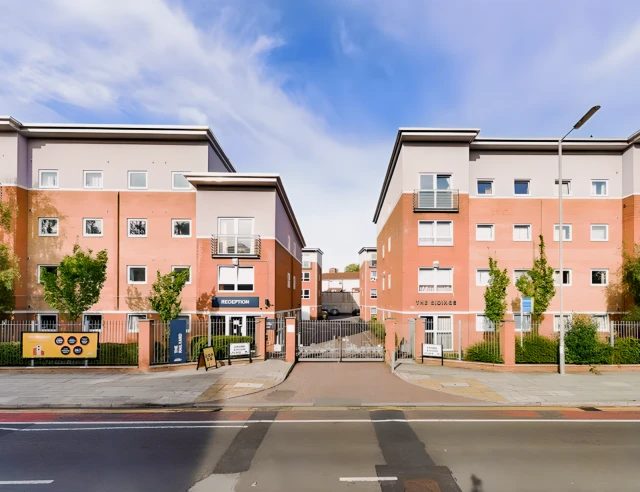
Based on our current data, Liverpool student housing starts at 80 GBP per week (indicative — confirm with the operator). The 32 properties in our portfolio cover a range of price points and accommodation types.
-
From 80 to 110 GBP per week
This band typically covers a room in a shared house (often a Victorian terrace) with shared kitchen and bathroom. Utilities may or may not be included. Properties in this range are most common in the middle and outer ring neighbourhoods. The condition of the property can vary; some may be older with less modern fittings. Always check Energy Performance Certificate (EPC) ratings and view the property or ask for a virtual tour before committing. -
From 110 to 150 GBP per week
At this price, you can expect a larger room in a shared house, sometimes en suite, or a studio in a purpose-built student accommodation block. Purpose-built properties often include all bills, Wi-Fi, contents insurance, and sometimes a communal social space. They are located mostly in the inner ring or near the city centre. Many of the 32 listings fall into this middle bracket, offering a good balance of cost and comfort. -
Above 150 GBP per week
These are typically high-standard studios, one-bedroom flats, or premium shared apartments with modern finishes and amenities such as a gym, cinema room, or 24-hour reception. They are concentrated in the city centre and the immediate campus vicinity. Some may include all bills and additional services like regular cleaning. If you need a quiet, private space and have a larger budget, this is your range.
Important: All prices listed here are indicative — confirm the exact rent, what is included, and any additional fees (such as booking fees or deposits) directly with the operator before signing any contract.
How the University of Liverpool Maps to Areas
The University of Liverpool’s main campus occupies a large block between Brownlow Hill, Oxford Street, and Crown Street. The university also has several other teaching and research sites scattered across the city centre and beyond (including the Leahurst campus for veterinary science, but most students will attend the main campus).
Primary student areas by proximity:
- Georgian Quarter / Abercromby – Literally adjacent to the campus on the south side. Most students studying arts, humanities, social sciences, and management find short walks to the main lecture theatres.
- City centre (around Lime Street, St George’s Hall) – A 5–10 minute walk to campus. Popular for students who enjoy nightlife and amenities, but you may find more purpose-built blocks than traditional houses.
- Kensington – East of the campus, a 20-minute walk. Historically the largest student concentration outside the immediate campus zone. Good for all university departments, but especially for students who don’t mind a slightly longer walk or quick bus.
- Toxteth (south of the city centre) – A 15–25 minute walk or short bus. Slightly less student-dominated but still convenient.
- Wavertree / Everton – Longer commute. Suitable for students who prefer quiet and lower rents, but you will spend extra time and money travelling.
The university’s various libraries (e.g., Sydney Jones Library, Harold Cohen Library) are all within the main campus cluster, so neighbourhood choice primarily affects your daily commute to those buildings.
3 Common Pitfalls to Avoid
1. Underestimating the real cost of a ‘cheap’ property
A property listed at 80 GBP per week may seem like a bargain, but it may not include bills. In Liverpool, typical weekly bills (gas, electricity, water, internet) can add 15–25 GBP per person. Some landlords also charge a separate administration fee or require a larger deposit (up to 5 weeks’ rent). Always ask for a total weekly cost including all bills, and confirm the deposit amount and protection scheme. The cheapest upfront price can become much more expensive when hidden costs are added.
2. Signing a contract too early or too late
The Liverpool student rental market has a typical cycle. Many students start looking in early spring (February–April) for September move-ins, and popular properties get booked by May or June. However, some landlords pressure tenants to sign contracts as early as November or December of the previous year. Signing very early can lock you into a property you may not want later, or tie up your deposit and guarantee for months. Conversely, waiting until August may leave you with fewer choices. The sweet spot is usually between March and May for the following academic year. Always check the cooling-off period (if any) and cancellation policy in the tenancy agreement.
3. Not inspecting the property or reading the Tenancy Agreement thoroughly
A common mistake is to book a room based only on photos or a video tour. Liverpool’s older housing stock can have issues with damp, poor insulation, noise from neighbours, or faulty appliances. If you cannot visit in person, request a live video call showing all rooms, the bathroom condition, the kitchen appliances, and the common areas. Read the tenancy agreement carefully: look for clauses about early termination, guest policies, maintenance responsibilities, and whether you are liable for repairs. Some contracts include an “early release” fee that can equal several weeks’ rent. Never sign anything you do not fully understand. If in doubt, ask your university’s accommodation office or a student housing charity for advice.
Booking Calendar for 2026-2027
The following timeline is a general guide – always confirm key dates with individual operators.
-
January – February 2026
Some early-bird offers may appear, especially for purpose-built student accommodation. Fewer shared houses are advertised this early. You can start researching neighbourhoods and shortlisting properties. -
March – April 2026
Main booking season opens. Most operators release their 2026-2027 inventory. Shared houses in popular streets of Kensington and the Georgian Quarter become available. Attend virtual open days or arrange viewings. Aim to shortlist 3–5 properties. -
May – June 2026
Peak booking period. Many properties will fill up, especially those in the 80–120 GBP range. If you have a particular area in mind, act quickly once you are confident the property meets your needs. Check the contract length (usually 51 weeks) and move-in date (typically early September). Some contracts for shared houses may start on a specific date set by the landlord. -
July – August 2026
Late availability. You may still find properties, but choice is limited. If you are flexible on neighbourhood and price, you can sometimes find last‑minute deals. However, popular studios and en-suite rooms may be sold out. Expect fewer viewings slots and tighter deadlines. -
September 2026
Move-in month. Confirm your booking, pay the deposit (ensuring it is placed in a government‑approved tenancy deposit scheme), and arrange utility connections if they are not included. Attend the property check‑in and document any existing damage. -
Renewal or new search for 2027-2028
The cycle begins again in late autumn for tenants who want to stay another year. If you wish to move, start looking around January 2027.
Frequently Asked Questions
Q1: Which neighbourhood in Liverpool has the cheapest student housing?
Wavertree and areas to the east of the city (e.g., parts of Kensington further from campus) tend to have lower rents. Many of the 80 GBP per week properties are located in these outer ring neighbourhoods. However, the savings may be offset by higher transport costs. Always calculate the total weekly cost including travel.
Q2: How can I protect my deposit?
In England, your deposit must be placed in a government‑approved tenancy deposit protection scheme (TDP) within 30 days of payment. The operator should provide you with the scheme name and certificate. If they do not, question it. Before signing, confirm that the deposit will be protected. This ensures you can get your deposit back promptly at the end of the tenancy, provided there is no damage or rent arrears.
Q3: When is the best time to start looking for a room in Liverpool?
For a September 2026 start, begin researching in January–February 2026. Active searching and viewing should occur between March and May. Booking in June is still possible, but choices will be narrower. If you are looking for a January 2027 start, begin in October 2026.
Q4: What should international students know about renting in Liverpool?
Check your visa conditions to ensure you are allowed to rent privately. Some operators may require a UK-based guarantor; if you cannot provide one, you may need to pay several months’ rent upfront or use a guarantor service (for a fee). Also, ensure the property’s EPC rating meets minimum standards (currently E or above). Finally, confirm whether bills are included, and if not, budget for winter heating costs, which can be higher in Liverpool’s damp climate.
Data as of 2026. All prices and property counts are indicative — confirm with the operator before making any financial commitment.
See also: listing details · browse more