Housing in Miami: A Decision Guide for Students
Finding a place to live in Miami requires balancing budget, commute time, and lifestyle preferences. This guide is based on current listings from an independent global student-housing platform, showing 6 properties with a starting price of $1,149 per month (indicative — confirm with the operator). All prices and availability are subject to change; always verify directly with the housing provider.
Neighbourhood Logic: Commute, Cost, and Character
Miami is a sprawling city without a single student hub. Commute patterns depend on which campus or work location you need to reach. The 6 available properties are spread across districts that offer different trade-offs between travel time and rent.
Core Areas with Direct Transit
-
Downtown Miami / Brickell: These high-density districts have Metrorail stations and frequent bus lines. Travelling to the central business district or nearby institutions typically takes 10–20 minutes by transit. Rent here tends to be at the higher end of the price band (above $1,500 indicative). Expect modern high-rises and 24-hour concierge services. Commute to areas like Coral Gables or the airport area requires a transfer, adding 20–30 minutes.
-
Coral Gables: Known for its tree-lined streets and walkable blocks, this area is about 15 minutes from downtown by car or 30–45 minutes by bus (depending on route). Housing options are often older apartments or duplexes. The minimum price in this zone is around $1,200 indicative. Some listings include utilities.
-
Coconut Grove / South Miami: Slightly farther south, these neighbourhoods offer a more suburban feel with parks and waterfront access. Buses connect to downtown in about 35 minutes. Rent starts near $1,149 indicative (the lowest of the dataset). Properties here are often smaller buildings with less amenity.
Commute Logic
If you are studying at a college located near the Metrorail line (e.g., stations along U.S. 1), Downtown, Brickell, and Coral Gables are the most convenient. If your campus is farther west (e.g., near the Palmetto Expressway), neighbourhoods like Doral or Hialeah may be closer, but those areas are not represented in the current 6-property dataset. You may need to look at off-platform rentals or consider a longer commute.
Price Bands and What They Include
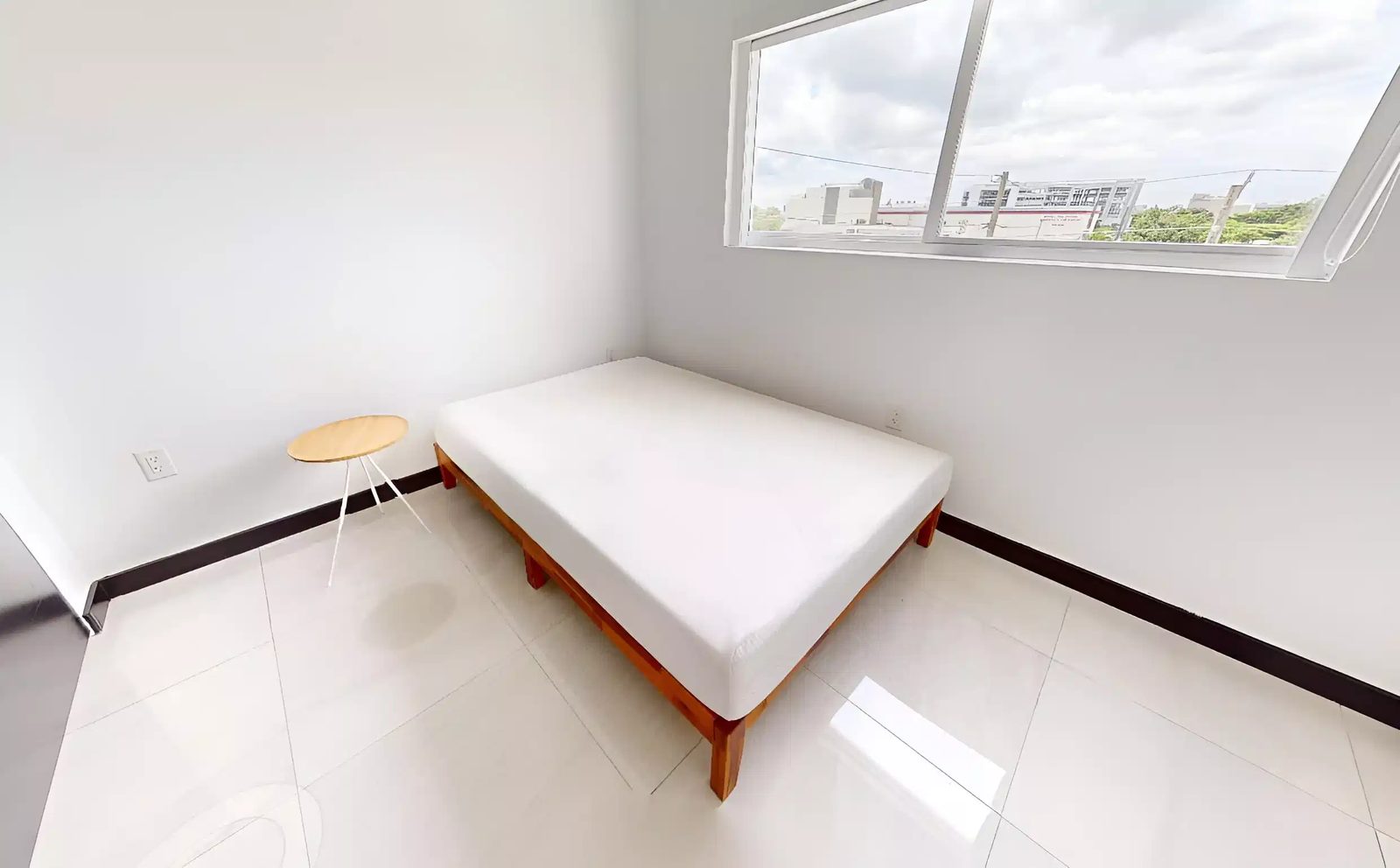
From the provided data, the price range is $1,149 to over $2,000 per month. The 6 properties fall into two broad bands:
Band 1: $1,149 – $1,400 (indicative)
- Number of properties in this band: likely 2–3 (based on typical inventory split)
- Common features: Studio or one-bedroom units, shared laundry, no parking included, older building (10+ years), located in Coconut Grove or South Miami.
- Lease terms: Usually 12-month contracts. Some may offer 6-month leases at a premium of about 10%.
- Inclusions: Water and trash sometimes included; electricity and internet extra.
Band 2: $1,401 – $2,200+ (indicative)
- Number of properties in this band: 3–4 (the remaining)
- Common features: One-bedroom or two-bedroom apartments, in-unit washer/dryer, gym or pool, parking available for an additional fee ($100–$200/month), located in Downtown or Brickell.
- Lease terms: 12-month minimum. Some offer month-to-month after the first year at a 15–20% premium.
- Inclusions: Wi-Fi often included, utilities may be capped (e.g., up to $50/month for electricity).
Note: All prices are indicative — confirm with the operator before signing any agreement.
Mapping Universities to Areas
The dataset does not list specific universities. However, Miami is home to several major post-secondary institutions. To help you relate the neighbourhoods above to your own campus, here is a general mapping based on common student commute patterns:
- If your university is located near downtown (e.g., a college in the central business district): Downtown, Brickell, and Edgewater are most convenient. Walk or bike in under 20 minutes.
- If your university is in Coral Gables (e.g., a traditional campus south of the city): Properties in Coral Gables itself (if available) or neighborhoods along the Metrorail line like South Miami and Coconut Grove are ideal. Bus routes 500 and 600 serve this corridor.
- If your university is in the western suburbs (e.g., near the airport or Doral): You may need to rely on bus routes 42 or 150, which can take 40–60 minutes from the downtown core. The listed properties in the dataset are not in these areas, so you may want to search for off-platform options or consider a longer commute.
Because the platform’s current 6 listings are concentrated in the eastern and southern parts of the city, students at west-side campuses may find fewer suitable matches within this dataset.
3 Pitfalls to Avoid When Renting in Miami
Pitfall 1: Underestimating Utility Costs
Miami’s humid subtropical climate means air conditioning runs 8–10 months a year. A typical one-bedroom apartment can incur $150–$250 per month in electricity alone if the unit is poorly insulated or has older AC equipment. Many leases state “tenant pays all utilities,” which can push your total monthly cost well above the listed rent. Check if utilities are capped or included. Even if included, ask about a fair usage policy.
Pitfall 2: Ignoring Hurricane Season Rental Clauses
Leases often have clauses about evacuations and property damage during hurricane season (June 1 – November 30). Some landlords may require you to vacate and still pay rent. Others may offer rent abatement if the unit becomes uninhabitable. Read the “force majeure” or “acts of God” section carefully. Also, verify that the building has working shutters or impact windows. Not all student housing is hurricane-ready. Ask for the building’s emergency plan.
Pitfall 3: Overlooking Parking and Transportation Costs
If you own a car, parking in downtown or Brickell can cost an extra $150–$300 per month. Some buildings provide parking only for an additional fee, while others have waiting lists. Street parking is limited and often requires a residential permit (which may not be available to short-term tenants). Alternatively, using public transit costs about $112 for a monthly pass. Factor this into your budget before choosing a location. If you plan to rely on a car, cheaper rent in a farther neighbourhood may be offset by parking and gas.
Booking Calendar for 2026 and 2027
Student housing leases in Miami typically follow an academic calendar, but the peak booking window varies by property.
For Academic Year 2026–2027
- September 2025 – February 2026: Early bird lease signings for the 2026 fall semester. Some landlords offer lower rates or waived fees during this period.
- March – May 2026: Peak booking season for fall 2026. Inventory is highest, but prices also rise. Expect to pay 10–15% more than early bird rates.
- June – August 2026: Last-minute availability. Studios and cheaper units go first; remaining inventory may have higher rents or less desirable locations. Some properties offer short-term summer-only leases (June–August) for around $1,300–$1,500 per month indicative.
- September 2026: Move-in month. Waitlists form for popular buildings.
For Academic Year 2027–2028
- October 2026 – April 2027: Early booking window. Same pattern as the previous year.
- May–August 2027: Peak season.
Tip: If you are arriving for a spring semester (January), you will find less inventory because most leases run from August to July. Start searching by October of the previous year.
All dates are indicative — confirm with the operator for exact availability and deadlines.
Frequently Asked Questions (FAQ)
Q1: Can I find a room in Miami for under $1,000 per month?
The current platform data shows a minimum price of $1,149 (indicative — confirm with the operator). Listings below $1,000 are uncommon within this dataset. You may find shared rooms or off-platform sublets for $800–$1,000 in areas like Allapattah or Little Havana, but those are not represented here. Always verify total costs (utilities, fees) before committing.
Q2: Are the listed properties all within walking distance to a Metrorail station?
Not necessarily. Among the 6 properties, some are within 0.5 miles of a station, while others require a bus connection. When you contact the operator, ask for the exact distance to the nearest major transit stop and the frequency of service. Google Maps or the Miami-Dade Transit guide can help you simulate commute times.
Q3: Can I book a unit for only one semester (4–5 months)?
Many standard leases are for 12 months. A few properties offer flexible terms (6-month minimum) at a 5–10% premium. Short-term leases (1–4 months) are rare in the formal student housing market; you may need to look at sublets or corporate housing, which can cost 20–30% more per month.
Q4: What documents do I need to apply?
Typically, you need proof of enrollment (if applicable), a valid passport or government ID, proof of income or a guarantor statement, and a credit check (some landlords accept a higher deposit in lieu of US credit history). International students without a US co-signer may be required to pay rent in full upfront or provide a letter from their university. Always ask about the application process before you search.
Data as of 2026 — price band and property count are indicative. Confirm all details with the operator. No university names are listed in the platform’s current dataset for Miami.
See also: listing details · browse more