Understanding Phoenix’s Layout for Student Tenants
Phoenix is a sprawling desert city with a population of about 1.6 million within the city limits and over 4.5 million in the metro area. The urban fabric is dominated by low-density development and wide roads, making car ownership the most common way to get around. Public transit exists — Valley Metro runs light rail along Central Avenue and a bus network — but coverage is limited compared to older, denser cities. For students, choosing a neighbourhood largely depends on where your classes are and how you plan to commute.
The metro area is divided into several distinct submarkets. The central core (Central Phoenix, Midtown, Downtown) offers the highest density of apartments, condos, and some purpose-built student housing near the downtown campuses. Light rail connects Downtown to Tempe and Mesa, which is useful for students attending the main campus of the state’s largest university (located in Tempe). Tempe itself is a compact college town with walkable streets, dedicated bike lanes, and a high concentration of off-campus rentals. Further east, Mesa provides more affordable options but requires a longer commute by car or light rail. The western suburbs (Glendale, Peoria, Surprise) are quieter and more car-dependent, with lower rents in exchange for longer travel times.
For students without a car, the best strategy is to live along the light rail corridor or within walking/cycling distance of your campus. The light rail runs every 10–15 minutes during peak hours and connects Downtown Phoenix, Tempe, and Mesa. A 30‑minute ride from Central Phoenix to Tempe is achievable, but daily commuting still requires planning around schedules. Buses run less frequently and can be slower due to traffic.
Neighbourhood selection should also factor in the intense summer heat — from May through September, midday temperatures regularly exceed 40°C (104°F). Walking or waiting for a bus in direct sun is uncomfortable and can be unsafe. Air conditioning is essential in any rental unit, but adding a car or relying on ride-hailing can increase your monthly transport budget significantly.
Price Bands and What They Offer
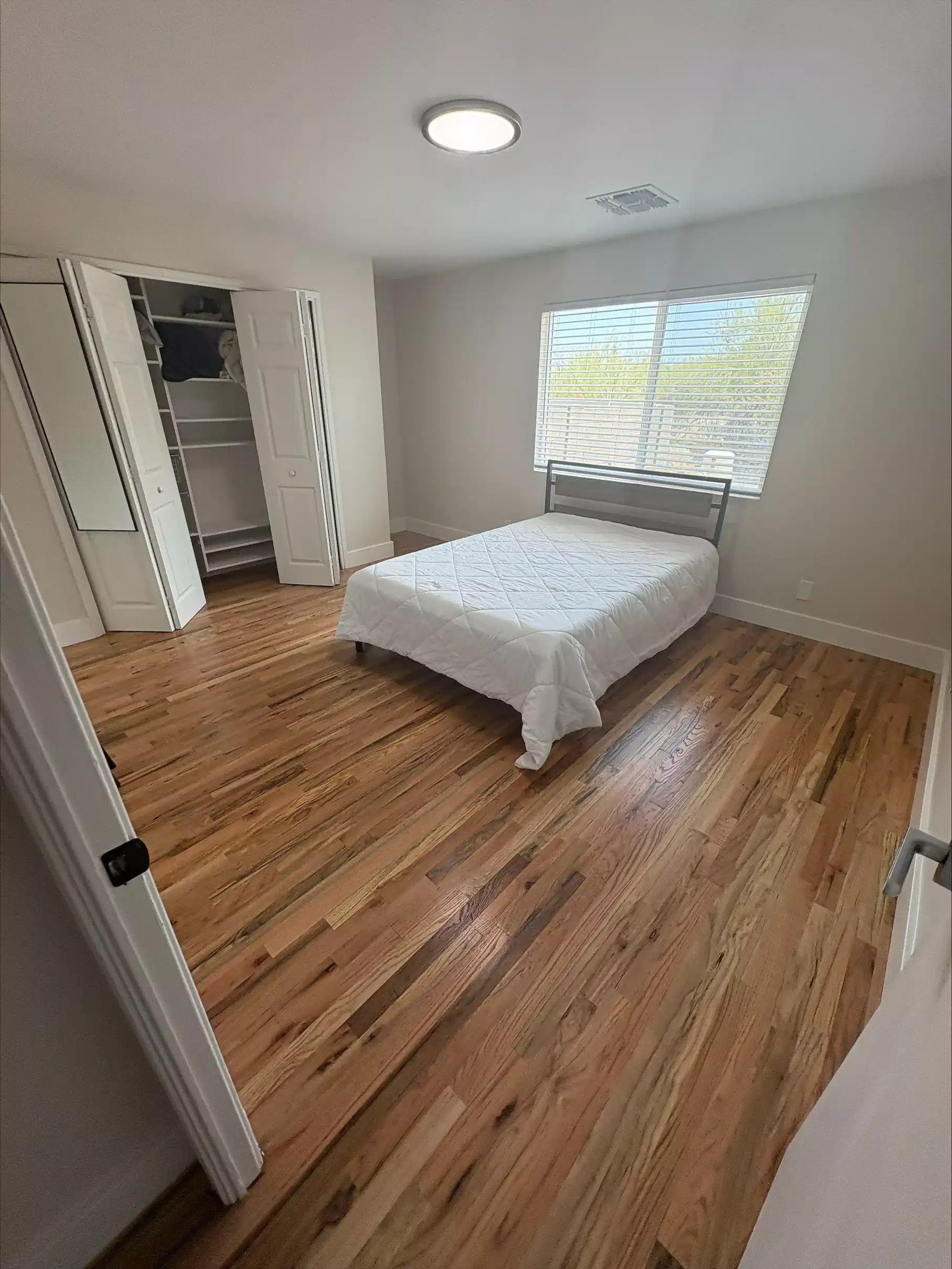
The only student housing listing currently available from the platform in Phoenix has a weekly price starting at $246 (indicative — confirm with the operator). This represents a single option, so the market for dedicated student accommodation is thin compared to larger student cities. However, students can also rent private apartments, shared houses, or rooms in larger complexes.
Based on the listing’s starting price and typical Phoenix market rates (not from the platform data), here is a general framework for weekly rents (all indicative — confirm with the operator):
- $240–$280 per week: This band covers shared rooms or small studios in older buildings, often in less central neighbourhoods or along the outskirts. The listing at $246 falls into this range. Amenities are basic; you may need to pay separately for electricity (which can spike in summer) and internet.
- $280–$350 per week: Private studios or one‑bedroom apartments in older complexes, or a room in a newer shared house. These can be found in Tempe or near major campuses, offering a reasonable commute without a car.
- $350–$450 per week: Higher‑end one‑bedroom units or two‑bedroom shares in new buildings with gym, pool, and parking. Located in Downtown Phoenix or Tempe’s Mill Avenue district. Walking distance to bars, restaurants, and campus.
- Above $450 per week: Luxury studios or penthouse‑level apartments. Rarely chosen by students unless sharing.
Because only one purpose‑built student housing property is recorded in the data, availability may fluctuate. It is advisable to expand your search to short‑term rentals, sublets, and apartment complexes that accept individual tenants (lease‑by‑bedroom). Always confirm final price, utility caps, and lease terms directly with the operator before signing.
Mapping Universities to Neighbourhoods
Although the platform’s data does not list specific universities in Phoenix, the metropolitan area is home to several large higher‑education institutions spread across different neighbourhoods. The most prominent campuses include:
- Tempe: The main campus of the state’s flagship public university occupies hundreds of acres in central Tempe. Most lecture halls, libraries, and dorms are here. Student housing in Tempe is concentrated around Mill Avenue, Apache Boulevard, and near the light‑rail stops. Rents tend to be higher in the immediate vicinity of campus but decrease as you move south or east toward Mesa.
- Downtown Phoenix: A satellite campus of the same university, plus a medical school and other graduate programmes. The area is served by light rail (Central Avenue line) and has a growing stock of high‑rise apartments. Many students choose to live in Midtown or along the light‑rail corridor to avoid driving.
- Glendale and West Valley: Several community colleges and a branch campus of another state university are located here. Housing is more affordable, but public transit is limited. Most students drive, and parking permits are often required.
- Mesa: Home to a large community college and the eastern extension of the university system. Mesa offers lower rents than Tempe and good light‑rail access to the main campus.
If you are enrolled at a specific institution, your first step should be to check its official off‑campus housing portal or ask the student housing office for recommendations. Many universities in Phoenix operate roommate‑matching services and maintain lists of approved rental properties.
Three Common Pitfalls When Renting in Phoenix
1. Underestimating Utility Costs in Summer
Summer electricity bills in Phoenix can exceed $200 per month for a standard apartment, and some landlords cap utility coverage or charge a flat fee that does not account for high usage. Always ask whether electricity, water, internet, and trash are included in the quoted rent. If utilities are separate, obtain average monthly costs from the tenant or utility provider for June through September. Also check the air‑conditioning unit’s age and efficiency — older units cost more to run.
2. Lease Terms That Change After Booking
Many online listings show “indicative” prices that may differ from the final contract. Some operators add administrative fees, security deposits (often equal to one month’s rent), or parking charges that are not included in the weekly rate. Before any payment, request a written breakdown of all costs, including move‑in and move‑out fees. The platform’s data notes that the $246 figure is indicative — confirm with the operator — so do not assume the final price will match.
3. Commuting During Monsoon Season
Phoenix experiences a monsoon season from June to September, featuring sudden heavy rain, dust storms (haboobs), and flash flooding. These events can disrupt light‑rail service, close roads, and make driving hazardous. If you rely on a bus stop or a light‑rail station that is not covered, you may have to wait outside in extreme heat followed by a downpour. Consider choosing a neighbourhood that allows a short walk to transit with adequate shade or a covered waiting area.
Booking Calendar for 2026/2027
The academic year in the United States typically runs from late August/early September to May, with winter and spring breaks. International students often need to arrive one to two weeks before the semester starts for orientation and housing setup.
- January – March 2026: Start researching neighbourhoods and listing platforms. Many purpose‑built student housing operators begin releasing units for the following academic year around February. For the fall 2026 term, you can sign a lease as early as March or April.
- April – June 2026: This is the peak time for booking. Units near popular campuses fill up quickly. For purpose‑built housing, the only available listing (starting at $246/week) may be booked several months in advance. Check with the operator about waitlists. For private rentals, sublets become available as graduating students move out.
- July – August 2026: Last‑minute options appear, but selection is limited. Rents may be higher for immediate move‑in. If you arrive in August, plan to have temporary accommodation (e.g., a hostel or AirBnB) for the first week while you view apartments in person.
- September – December 2026: Off‑peak season. If you start in the spring semester (January 2027), begin looking in October–November 2026. Lease‑takeover opportunities from students who leave mid‑year can offer reduced rates.
- January – March 2027: Spring intake. Housing is less competitive than fall, but you should confirm that the property accepts mid‑year arrivals. Some purpose‑built complexes only offer 12‑month leases starting in August.
Always confirm exact move‑in dates and lease durations with the operator. Some require a full academic year commitment (12 months), while others offer semester‑by‑semester or monthly contracts.
Frequently Asked Questions
Q: Do I need a car as a student in Phoenix?
It depends on your campus location and budget. If you live within a 15‑minute walk or bike ride of your classes, a car is optional. The same applies if your housing is within 5–10 minutes of a light‑rail station and your campus is on the same line. For students living in suburban areas or attending multiple campuses, a car is nearly essential. Phoenix’s public bus system is sparse on weekends and after 7 p.m. in many routes.
Q: How much should I budget for utilities in addition to rent?
In summer, electricity alone can cost $100–$250 per month for a small apartment. Water, internet, and garbage add another $50–$100. Some landlords include all utilities except electricity. Always ask for an estimate based on the previous tenant’s usage. If you share a house, split costs among roommates.
Q: Is the $246 per week listing a shared or private room?
The available data does not specify room type or total unit configuration. You must contact the operator directly to get details: number of bedrooms, shared versus private bathroom, furnishing, and whether utilities are included. The figure is indicative and may change after you inquire.
Q: Can I rent for just one semester instead of a full academic year?
Some operators offer semester‑length leases, usually for a premium ($10–$30 more per week). Purpose‑built student housing often prefers 12‑month contracts but may allow break‑lease options with a penalty. Private apartment complexes generally require 6‑ or 12‑month leases. Sublets from outgoing students are the most flexible option for shorter stays.
Data based on listings available as of early 2026. Prices are indicative — confirm with the operator before committing.
See also: listing details · browse more