Neighbourhoods Logic by Commute
St. Louis presents a range of neighbourhoods that suit different commuting patterns to Washington University in St. Louis. The university’s main campus (Danforth Campus) is situated in the western part of the city, near the border of University City and Clayton. Most students choose areas that offer a reasonable commute – typically 15 to 30 minutes by car, bus, or MetroLink light rail.
Near-campus options (walking or short bike ride):
- University City – East of the campus, home to the Delmar Loop entertainment strip. Many students live in apartments and houses within a 10-minute walk or a 5-minute bike ride. Rent tends to be moderate, but variety exists.
- Clayton – West of campus, a commercial and residential hub with higher rent but excellent walkability to the university. Commute time on foot is often under 20 minutes.
MetroLink-accessible areas:
- Central West End – Approximately 15 minutes by MetroLink from the Forest Park-DeBaliviere station, then a short bus ride or continued walking. This neighbourhood is known for its historic homes, restaurants, and proximity to Forest Park. Rent can be on the higher end, but multiple properties are available.
- Skinker-DeBaliviere – Directly north of campus, close to the MetroLink station. Mix of student rentals and family homes. Commute by train or bus is about 10 minutes.
- Downtown St. Louis – About 20–25 minutes by MetroLink. While some students choose downtown for its nightlife and lofts, the commute is longer and requires a transfer if the destination is not directly on the Red or Blue line. Not as popular for Washington University students compared to nearer areas.
Bus and car commutes:
- Richmond Heights / Maplewood – Southwest of campus, about a 10–15 minute drive or bus ride via MetroBus. Lower rent than Clayton, with family-friendly suburbs.
- Brentwood – South of campus, accessible by car or bus (MetroBus routes). A 10–15 minute drive, with moderately priced apartments.
- Tower Grove South / Shaw – South of Forest Park, about a 15–20 minute drive. These areas are more affordable but require a car or bus. Some students use the #90 bus which runs along Grand Boulevard.
Key commute considerations:
- MetroLink light rail – The Red and Blue lines serve several stations near campus (Delmar, Forest Park-DeBaliviere, Skinker). Connecting bus routes (e.g., #1, #2, #90) are used for last-mile trips.
- Biking – St. Louis has growing bike infrastructure, but winter weather and hilly terrain in some areas can be challenging.
- Parking – On-campus parking is limited and expensive. Many students live within walking distance or rely on public transit.
Price Bands from Given Data
Based on our platform’s 23 properties in St. Louis, the starting price is $845 per month (indicative — confirm with the operator). This figure represents the lowest listed rent across all properties. Here is how prices generally break down:
- Entry-level ($845 – $1,100): Typically studios or shared apartments in University City, Skinker-DeBaliviere, or Tower Grove South. Expect older buildings with basic amenities. Some may include utilities, but verify individually.
- Mid-range ($1,100 – $1,500): One-bedroom or larger shared units in Central West End, Clayton (if smaller), or Richmond Heights. Newer construction or renovated spaces. Many include in-unit laundry and fitness facilities.
- Upper-range ($1,500+): Larger apartments or single-family homes in Clayton, Central West End, or near-campus townhouses. Some luxury amenities like parking, concierge, or rooftop decks.
Of the 23 properties, the majority fall within the mid-range band. Only a few are at or near the minimum price. Always confirm exact rent, deposit, and any additional fees (e.g., parking, utilities) with the operator before signing.
How the Listed University Maps to Areas
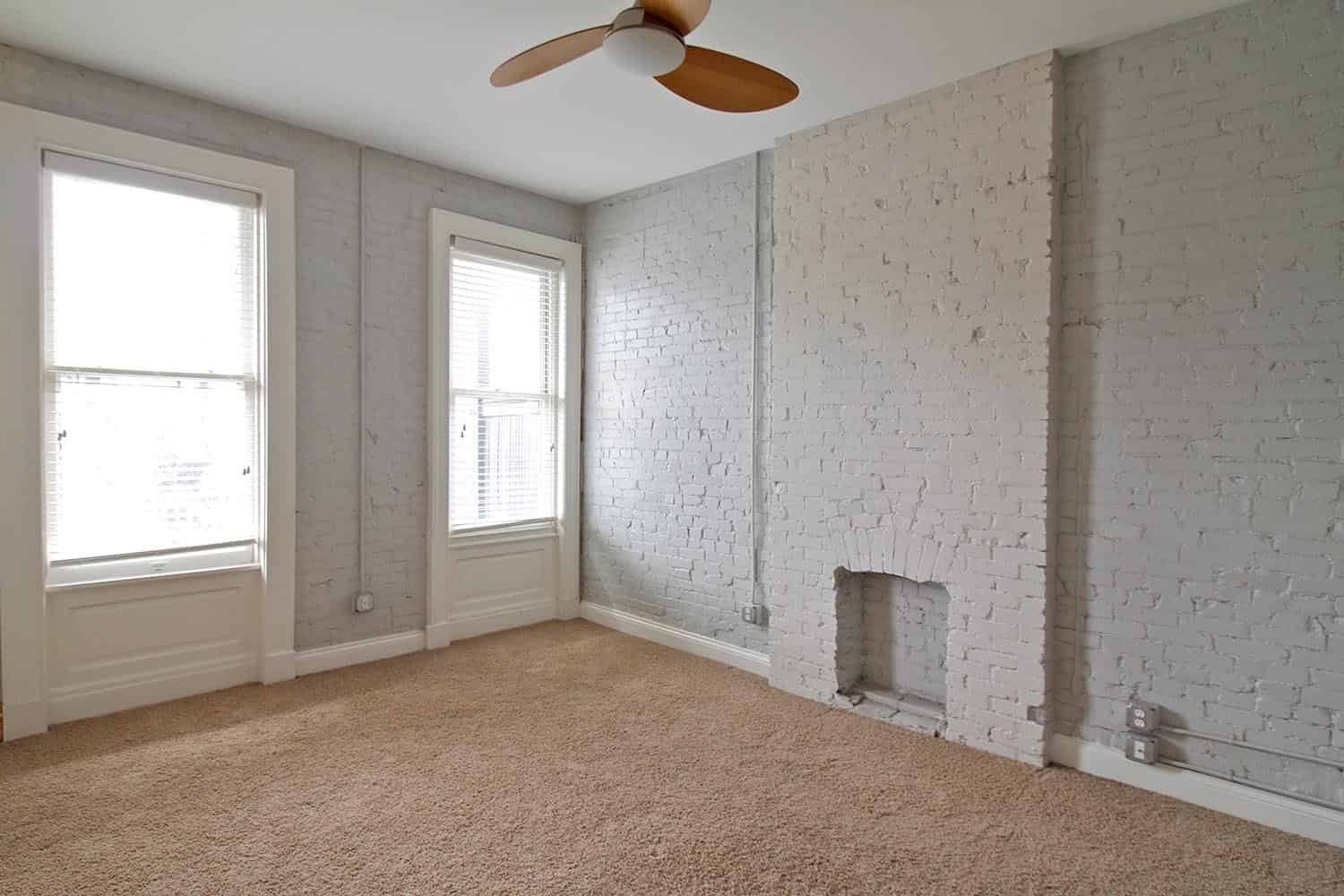
Washington University in St. Louis (global rank 167) has its primary undergraduate and graduate campus in the western part of the city, straddling the municipalities of St. Louis City (ward 24), University City, and Clayton. The Danforth Campus is accessible via several transit stops and major roads.
Residential areas by proximity:
- Immediate vicinity: University City (especially south of Delmar), Clayton (north of Forest Park Parkway), Skinker-DeBaliviere, and the area around the Loop.
- Within 15-minute commute: Central West End, Richmond Heights, Brentwood, Maplewood.
- Within 30-minute commute: Downtown St. Louis, Tower Grove South, Shaw, Soulard, The Hill.
Typical student distributions:
- Undergraduate students often choose University City or Skinker-DeBaliviere for short walks and social life.
- Graduate and medical students may prefer quieter areas like Clayton or residential streets in University City.
- International students frequently opt for Central West End for its diversity and proximity to Forest Park and the Cortex Innovation District.
When searching for housing, consider which campus facilities you need to access. Washington University also has a North Campus (West Campus) near Clayton and a South Campus (near the St. Louis Science Center). Most core classes are on the Danforth Campus, so prioritise housing within a 20-minute commute unless you have specific reasons.
3 Pitfalls
1. Safety Variations Across Neighbourhoods
St. Louis has distinct safety profiles. Some areas near campus (e.g., parts of University City east of Skinker, or some blocks in the Central West End) experience higher crime rates, including property theft and occasional violent crime. While the university operates a shuttle service and there is a campus police presence, not all off-campus neighbourhoods are equally safe. Always check local crime maps, visit during daytime and nighttime, and ask current students about specific streets. Avoid committing to a lease untested.
2. Winter Weather and Utility Costs
St. Louis winters (December–February) can be cold, with highs around 4 °C and occasional snow or ice. Heating costs spike in older buildings with poor insulation. Some apartments list rent without utilities, and electric heat can be expensive. Ensure your lease clarifies which utilities are included and ask for average monthly bills. Also, check if the property has adequate insulation, double-pane windows, and a working heating system. A $845 rent may become $1,100+ with utilities in winter.
3. Lease Terms and Parking Gotchas
Many student-oriented leases run August to July, matching the academic year. If you arrive in January, you may face limited options or sublets. Additionally, parking in near-campus neighbourhoods can be scarce and costly. Some properties charge $50–150 per month for a space, and street parking may require a permit or be subject to snow removal rules. Always read the lease carefully – some have “no sublet” clauses, early termination fees, or require a guarantor. Not understanding these terms can lead to financial penalties.
Booking Calendar
For a start date of August 2026 (typical fall semester):
- November 2025 – February 2026: Research neighbourhoods, budget, and preferences. Contact property managers or view listings online.
- March – May 2026: Peak booking period. Many popular properties near campus are leased by the end of April. If you wait until June, choices shrink.
- June – July 2026: Last-minute options still exist, but may be limited to higher-priced or less desirable units. Some landlords offer move-in specials for remaining inventory.
- August 2026: Move-in. Schedule inspections and set up utilities a week prior.
For a January 2027 start (spring semester):
- September – October 2026: Begin search. Sublets from graduating students are common; advertise on university boards or student housing groups.
- November – December 2026: Sign short-term or semester-based leases. Availability is lower, so be flexible with location.
If you are an international student needing a visa letter, start earlier – some operators require proof of enrolment. Always confirm the exact move-in date and lease duration with the operator.
Frequently Asked Questions (FAQ)
Q1: How safe are the areas around Washington University in St. Louis? The immediate campus area (University City, Clayton, Skinker-DeBaliviere) is generally patrolled by university and local police. However, east of Skinker Boulevard and south of Forest Park can have higher crime rates. Use common sense: avoid walking alone after dark in unfamiliar areas, lock doors, and use campus transportation when needed. Consult the university’s annual security report for stats.
Q2: What is the typical cost of living for a student in St. Louis? Rent is the largest expense. The 23 properties on our platform start at $845 (indicative — confirm with the operator). Adding utilities ($100–150), food ($300–400), transportation ($80–120 for a Metro pass), and incidentals, a single student might budget $1,300–1,800 per month. Sharing a flat can reduce costs.
Q3: Is it easy to find housing without a car? Yes, if you live near a MetroLink station or bus route. Many students commute by bike or on foot. However, grocery shopping and off-campus activities may require rideshare or bus. A Metro U-Pass (discounted for students) is often included in university fees. If you live farther from campus, a car is more convenient but adds parking costs.
Q4: How far in advance should I apply for a lease? For August 2026 occupancy, start applying in March 2026. Popular properties near campus lease 3–4 months ahead. For January 2027, start in October 2026. Last-minute leases may require a shorter commitment or higher deposit. Always have a backup option.
Data as of 2026 — all prices are indicative and should be confirmed with the operator before any commitment.
See also: listing details · browse more