Student Housing in Australia: Market Structure, Pricing, and Planning for 2026–2027
Australia’s international student housing market includes 356 dedicated student accommodation properties across 8 cities, serving 31 universities. These numbers reflect a mature market with a wide range of options, from purpose‑built student accommodation (PBSA) to private rentals and homestay arrangements. Understanding the market structure, typical contract terms, and planning steps helps you make informed decisions for the 2026 or 2027 academic year.
Market Structure of Student Housing in Australia
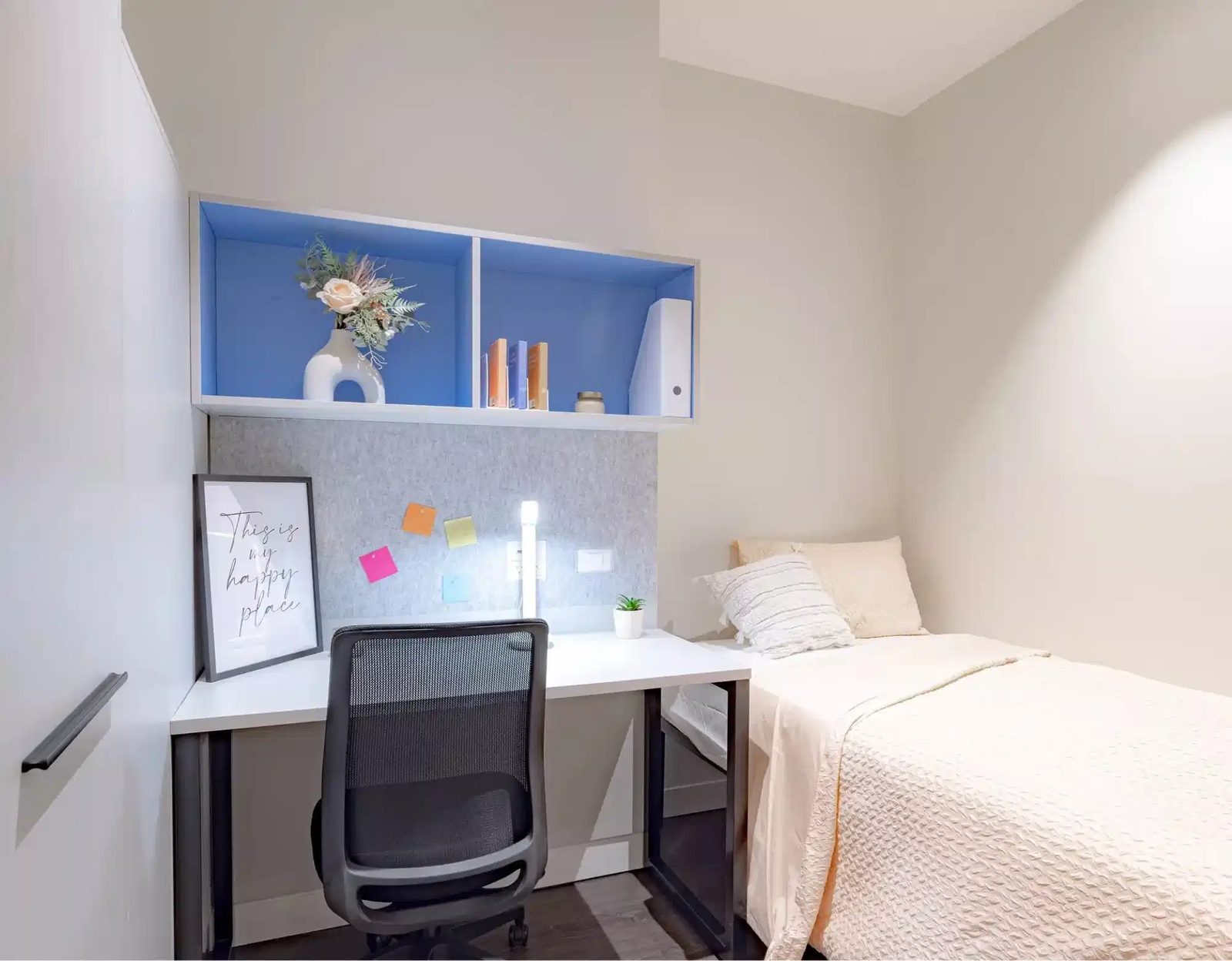
The student housing market in Australia is dominated by purpose‑built student accommodation (PBSA), which accounts for the majority of the 356 properties recorded. PBSA includes studio apartments, shared apartments (often with en‑suite rooms and a common kitchen/living area), and cluster flats. These properties are managed by dedicated accommodation operators and typically offer all‑inclusive rents (covering utilities, internet, and sometimes cleaning). They are located near major university campuses or in central city areas with good public transport links.
In addition to PBSA, students can choose:
- Private rentals – houses or apartments leased from private landlords, usually through real estate agents or online platforms. These often require a longer commitment (12 months) and may not be furnished.
- Homestay – living with a local family, often including meals. This option is less common for independent students but can be suitable for younger students or those wanting cultural immersion.
- University‑owned accommodation – some universities operate their own halls of residence or colleges. These are not counted in the 356 PBSA properties but are also available. Note that availability and booking procedures vary by institution.
The market is concentrated in Australia’s major cities. The 8 cities where student accommodation is recorded include Sydney, Melbourne, Brisbane, Perth, Adelaide, Canberra, Gold Coast, and Hobart. Each city has a distinct price profile and availability rhythm.
City Price Map (Indicative – Confirm with the Operator)
Rental prices for student accommodation in Australia vary significantly by city, property type, and location relative to the university. The following is an indicative ranking of average weekly rent levels for PBSA (e.g., a single room in a shared apartment or a studio) for the 2026–2027 academic year. All prices below are indicative and must be confirmed with the specific accommodation operator.
Based on market reports and historical data (subject to change for 2026/2027):
- Sydney – highest price band. A typical studio unit may range from AUD 500 to AUD 700 per week; an en‑suite room in a share apartment from AUD 400 to AUD 550.
- Melbourne – similar to Sydney but slightly lower on average. Studio rents around AUD 450–600; en‑suite rooms AUD 350–500.
- Brisbane – moderate. Studio AUD 380–500; en‑suite AUD 300–420.
- Perth – comparable to Brisbane but with some variance. Studio AUD 350–480; en‑suite AUD 280–400.
- Adelaide – lower cost. Studio AUD 300–420; en‑suite AUD 250–350.
- Canberra – medium‑high due to limited supply. Studio AUD 420–550; en‑suite AUD 350–450.
- Gold Coast – similar to Brisbane. Studio AUD 380–500; en‑suite AUD 300–420.
- Hobart – the lowest among the eight cities. Studio AUD 280–380; en‑suite AUD 220–320.
Note that these are broad ranges and can change quickly. Properties closer to central business districts or premium university locations often command a premium. It is essential to check current offers on the accommodation platform and confirm with the operator before making any commitments.
Contract and Deposit Norms in Australia
Understanding contract terms and deposit rules is crucial for international students planning to study in 2026 or 2027. The norms described below are common across PBSA operators; private rentals may have different conditions.
Lease Duration Most PBSA contracts are aligned with the academic year: 44‑week contracts (two semesters, usually starting February and ending December) or 52‑week contracts (full year). Some operators offer shorter 26‑week options, but these are less common. For 2026/2027, expect most contracts to run from late January/early February to November/December.
Deposit A security deposit (bond) is typically required upfront, equal to 4 weeks’ rent. In PBSA, the deposit may be held by the operator or lodged with a government‑approved bond authority (e.g., the Residential Tenancies Bond Authority in Victoria). In private rentals, the bond must be lodged with the relevant state bond authority. The deposit is refundable at the end of the tenancy, subject to no damage, cleaning, or unpaid rent.
Payment Schedule Rent is usually paid in advance. Common schedules: fortnightly, monthly, or full semester upfront (discount sometimes offered). Many operators require the first installment (often 4–6 weeks’ rent plus deposit) at the time of signing the contract.
Early Termination Breaking a lease early usually incurs penalties. PBSA contracts may require payment of a cancellation fee (e.g., 2–4 weeks’ rent) and forfeiture of deposit if you leave within a certain period. Some operators allow a “cooling‑off” period (e.g., 48 hours after signing) for cancellation with minimal charge. Always read the terms before signing.
Bills and Utilities In PBSA, utilities (electricity, water, gas, internet) are almost always included in the weekly rent. In private rentals, you are usually responsible for connecting and paying utilities separately.
Visa Requirements Student visa holders (subclass 500) must maintain valid health insurance (OSHC) and ensure they meet attendance requirements. Accommodation contracts do not require a visa check, but having a confirmed address helps with visa application processes.
Five Planning Steps for Student Housing in Australia (2026–2027)
Follow these steps to secure suitable accommodation for your study period.
Step 1: Research Cities and Universities Identify the city where your university is located. Australia’s 8 cities with student accommodation cover the majority of international student destinations. Consider factors: climate, cost of living, public transport, and availability of part‑time work. If you have not yet confirmed a university, focus on cities that host your potential institution. Remember that accommodation near campus tends to fill early.
Step 2: Set a Budget Estimate your total housing budget using indicative rents from the city price map. Include rent, deposit (4 weeks), and any additional fees (application fee, airport pickup, etc.). Also budget for utilities if you choose private rental (not included in rent). For 2026/2027, many operators offer payment plans (e.g., half‑yearly or quarterly) to ease upfront costs.
Step 3: Understand Housing Types Decide on the type of accommodation that suits your lifestyle and budget:
- Studio – highest privacy, own kitchen and bathroom, higher cost.
- En‑suite room – private bathroom, share kitchen/living with others, moderate cost.
- Shared apartment – share all facilities, lower cost, more social.
- Private rental – more independence, but requires setting up utilities, furnishing, and signing a standard lease (often 12 months).
PBSA is the most straightforward option for international students because of included utilities, furnished rooms, and community events.
Step 4: Application and Contract Review Once you shortlist properties, apply early (6–12 months before arrival is common). Submit required documents: passport, visa, proof of enrolment (CoE or offer letter), and any financial evidence if requested. Review the contract carefully:
- Rent amount and frequency
- Deposit terms (refund conditions)
- Early termination policy
- Inclusions (bills, internet, linen)
- Move‑in and move‑out dates
If possible, visit the property online via a virtual tour or ask for detailed photos.
Step 5: Prepare for Move‑in After signing the contract, arrange payment of the first installment and deposit. Confirm your arrival date and check if the operator offers airport pick‑up (some do for a fee). Plan for a temporary stay (e.g., hostel or Airbnb) if you arrive before the lease start date. Notify the operator of your arrival time to arrange key collection.
After moving in, inspect the room and report any damage immediately. Keep records of all communications and receipts.
Frequently Asked Questions (FAQ)
When should I start looking for student housing in Australia? Start researching and applying 6 to 12 months before your intended arrival. The main intake for 2026/2027 begins in February. Many operators open bookings from August–October of the preceding year. For example, if you plan to start in February 2026, begin looking in early 2025. Late applications may face limited availability, especially in Sydney and Melbourne.
How does the deposit work? Is it refundable? The deposit (bond) is a security amount, typically 4 weeks’ rent, held by the operator or a government bond authority. It is fully refundable at the end of the tenancy if there is no damage, the room is left clean, and all rent is paid. Receipt of the bond lodgement should be provided. Deductions can be made for outstanding rent, cleaning costs, or repairs beyond normal wear and tear. Always request a final inspection with the operator.
Can I break my lease early? Yes, but penalties apply. PBSA contracts usually outline a cancellation fee (often 2–4 weeks’ rent) if you leave before the contract end date. Some operators allow you to find a replacement tenant (subject to approval) to avoid paying the full penalty. Early termination is not always permitted for the first few weeks (cooling‑off period). Check the specific policy in your contract. For private rentals, early termination may require paying rent until a new tenant is found, plus advertising costs.
Do I need a guarantor or visa requirements? PBSA operators rarely require a guarantor for international students. Instead, they may ask for proof of enrolment and financial means (e.g., bank statements, scholarship letter). Visa requirements are separate: you must hold a valid student visa (subclass 500) and maintain health insurance. Your accommodation offer can be used during visa application as evidence of a place to stay, but it is not mandatory.
Data date: 2026. All prices are indicative and subject to change. Confirm directly with the accommodation operator for current rates and terms.
See also: listing details · browse more