Overview of New Zealand’s Student Housing Market
New Zealand’s student accommodation sector is relatively compact but well‑structured. As of 2026, the available supply on independent platforms covers 7 properties across 2 cities (Auckland and Wellington), serving a network of 8 universities nationwide. While this only reflects a portion of the total rental market, it provides a useful snapshot for international students planning their stay.
The market is characterised by a mix of purpose‑built student accommodation (PBSA) and private rentals. PBSA tends to be concentrated in central urban areas near university campuses, offering furnished studios or en‑suite rooms with shared common areas. Private rentals—flats, apartments, and houses—are more diverse but often require longer lease commitments and may not include utilities or internet.
Because New Zealand’s international student population is modest compared to larger study destinations, demand for student housing is seasonal but rarely overheated. Most accommodation cycles align with the academic year (February to November), with a smaller intake in July. This creates two main booking windows: October–January for the February start, and April–June for the July start.
The currency is the New Zealand dollar (NZD). All prices mentioned below are indicative — confirm with the operator before committing.
Price Landscape: Auckland and Wellington
Based on the current inventory of 7 properties in 2 cities, the price range varies significantly by location, room type, and included services. Below is a factual breakdown of typical costs, using data from the market as of 2026.
Auckland
Auckland is the largest city and hosts multiple universities. Student accommodation here is concentrated in the central business district (CBD) and inner suburbs like Symonds Street and Grafton. The 7‑property dataset includes several Auckland options.
- Shared apartments / studios: Indicative weekly rent NDZ 280–450. En‑suite rooms in PBSA tend toward the upper end, while shared flats may start lower.
- Utilities and internet: Many PBSA contracts include water, electricity, and unlimited Wi‑Fi. Private rentals usually require tenants to arrange utilities separately (add roughly NZD 30–50 per week).
- Deposits: Typically 4 weeks’ rent, refundable subject to condition. Some operators accept a bond in lieu of a full deposit.
- Lease terms: Most academic‑year contracts run 44–52 weeks. Short‑term (semester‑length) options exist but are rare and priced at a premium.
Wellington
Wellington, the capital, has a smaller student housing stock but generally lower rents than Auckland.
- Indicative weekly rent: NZD 220–380 for a studio or en‑suite. Shared accommodation in suburban flats can cost as little as NZD 180–250.
- Inclusions: Similar to Auckland — utilities and internet are common in PBSA but not always in private rentals.
- Deposit: 4 weeks’ rent, refundable. Some purpose‑built providers offer a reduced deposit (2 weeks) for early booking.
- Lease length: Most contracts are 44 to 50 weeks, aligned with the academic calendar.
Key price drivers
- Proximity to campus: Accommodation within a 10‑minute walk of a university is typically 15–25% more expensive than options a 20‑minute bus ride away.
- Room type: Private studios cost more than shared apartments. A standard en‑suite room in a PBSA building averages NZD 320–400 per week in Auckland, and NZD 280–350 in Wellington.
- Booking time: Early bookings (before October) often attract lower rates or waived application fees. Last‑minute bookings may have limited availability and higher prices.
All figures above are indicative — confirm with the operator. Prices may change based on the specific property, contract length, and seasonal offers.
Understanding Contracts and Deposits
New Zealand student accommodation contracts follow standard residential tenancy rules, with some variations for purpose‑built student housing.
Contract types
- Fixed‑term tenancy: The most common for international students. Runs for a set period (usually 44–52 weeks). Early termination may incur penalties (often 4–6 weeks’ rent). Some PBSA operators allow a “break clause” if you leave for university‑related reasons (e.g., course withdrawal).
- Periodic tenancy: No fixed end date. Usually requires 21 days’ notice to vacate. Rare in student‑focused buildings because operators prefer predictable occupancy.
- License to occupy: Used by some PBSA operators. This is not a tenancy under the Residential Tenancies Act, but a personal license. Terms are defined entirely in the agreement. Students should read the license carefully — dispute resolution options may differ.
Deposit (bond) norms
- Amount: Typically 4 weeks’ rent. Must be lodged with the government’s Tenancy Services within 23 working days for residential tenancies. For licenses, the deposit may be held by the operator.
- Refund: The full deposit is refundable if the property is left in good condition, all rent is paid, and the contract is fulfilled. Any deductions must be itemised.
- Inspection: A condition report is mandatory at move‑in and move‑out. Take photos and keep a copy to support your deposit claim.
Other fees
- Application fee: Uncommon in PBSA, but some private landlords charge NZD 50–100 for credit checks. This is not regulated.
- Cleaning fee: May be deducted from the deposit if the apartment is not cleaned to the operator’s standard. Use an end‑of‑tenancy cleaning service if unsure.
- Late payment penalty: Usually NZD 20–50 per day for overdue rent. Check the contract.
What to look for in the fine print
- Internet and utilities: Confirm whether they are included or billed separately. A separate billing can add NZD 30–60 per week.
- Guest policy: Some PBSA buildings restrict overnight guests or require registration.
- Insurance: Operators often require tenants to have contents insurance (≈ NZD 150–250 per year). The building insurance does not cover your belongings.
Five Steps to Plan Your Student Accommodation (2026–2027)
Planning ahead reduces stress and helps you secure a suitable place within your budget. Use this step‑by‑step guide.
Step 1: Determine your budget and location
- Calculate your total weekly accommodation budget, including rent, utilities, and transport.
- Choose a distance that balances commute time and cost. A 30‑minute bus ride may save NZD 50–80 per week compared to a central studio.
- Consider whether you prefer a quiet suburb (e.g., Mount Eden in Auckland, Karori in Wellington) or a lively campus‑adjacent area.
Step 2: Research accommodation types
- Purpose‑built student accommodation: Short contracts, furnished, social environment. Ideal for first‑year international students.
- Private rental (flat or apartment): More space, potentially lower cost, but requires organising utilities and a longer lease. Suitable for students who know others or are comfortable with independent living.
- Homestay: Living with a local family, meals included. Not covered by the 7‑property dataset but available through agencies. Costs NZD 280–350 per week.
Step 3: Start searching early – from October 2026 for February 2027 intake
- For a February 2027 start, begin browsing in October 2026. Many PBSA operators open booking a year ahead.
- Shortlist 3–5 properties based on price, location, and reviews. Use only neutral, factual descriptions from the platform.
- Contact the operator directly to confirm availability and get a personalised quote.
Step 4: Review and sign the contract
- Read the entire agreement – do not skip fine print.
- Check the lease start and end dates, notice period, deposit amount, and whether utilities are included.
- If anything is unclear, ask the operator in writing. Keep a copy of all communications.
Step 5: Prepare for move‑in
- Arrange payment of the deposit and first month’s rent before the deadline.
- Purchase contents insurance (many operators require proof at check‑in).
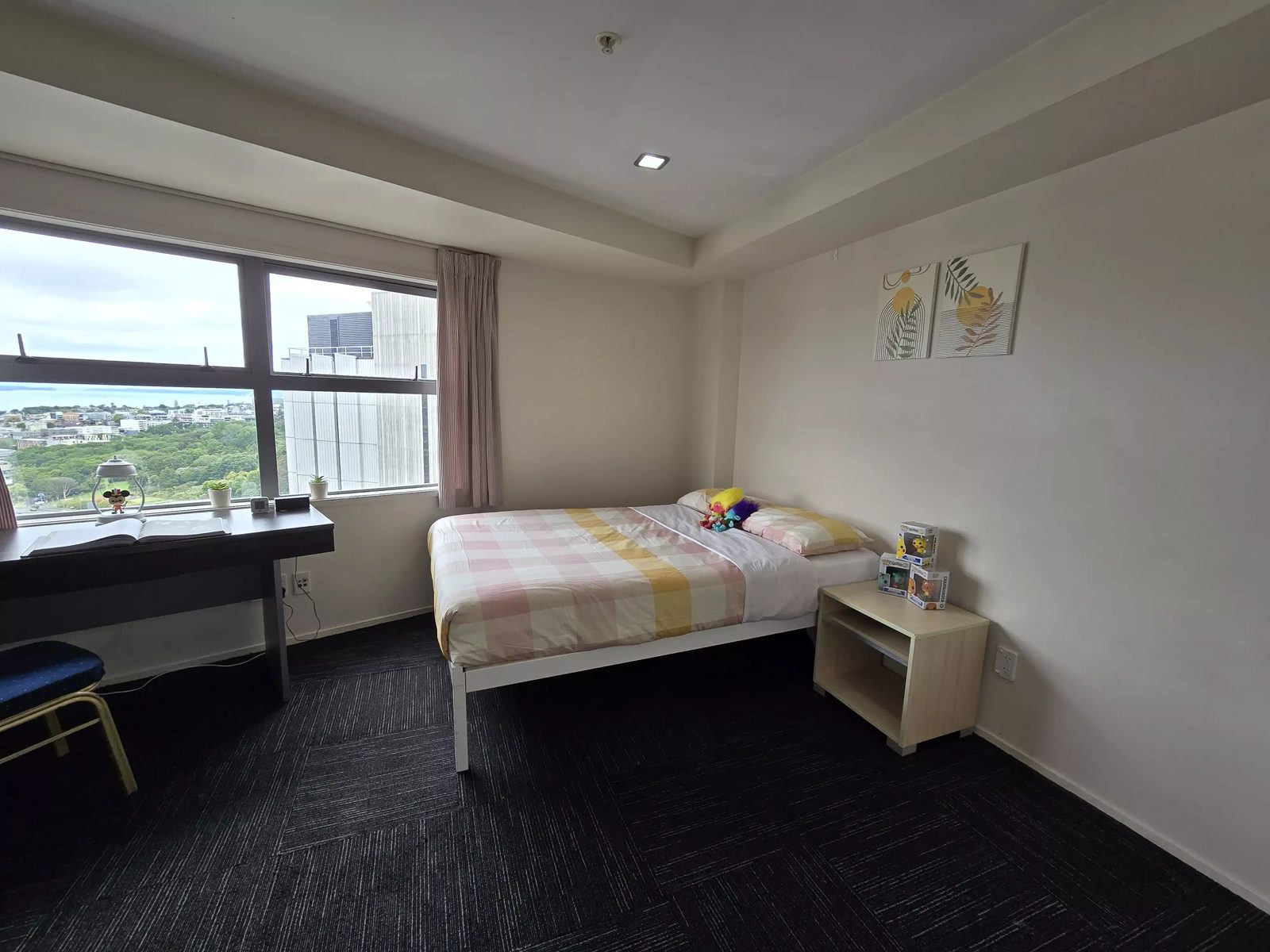
- Pack essentials – most student rooms provide a bed, desk, chair, and wardrobe. Bring bed linen, kitchenware, and adaptors for NZ power sockets (type I).
- Plan your arrival. If you arrive before the contract start date, book a temporary stay (hostel or AirBnB).
Frequently Asked Questions
Q1: Do I need to pay a deposit for student accommodation in New Zealand?
Yes, in most cases. For residential tenancies, the deposit is typically 4 weeks’ rent and must be held by Tenancy Services. For license agreements, the operator may hold the deposit themselves. Always get a receipt and a condition report. The deposit is refundable if the property is left in good condition and all rent is paid.
Q2: How early should I book accommodation for the 2027 academic year?
For a February 2027 start, we recommend beginning your search in October 2026 and confirming a booking by December 2026. Early booking gives you a wider choice of room types and locations, and some operators offer reduced rates or waived fees. For a July 2027 start, start looking in April 2027.
Q3: Are utilities usually included in the rent?
It depends on the accommodation type. Purpose‑built student accommodation (PBSA) often includes water, electricity, and internet in the weekly rent. Private rentals usually require you to arrange and pay for utilities separately. Always check the contract and ask the operator to confirm what is included.
Q4: Can I break my contract if my study plans change?
Fixed‑term tenancy contracts are legally binding. Breaking them early may result in penalties – typically 4–6 weeks’ rent. Some PBSA operators include a “break clause” for health or course‑withdrawal reasons. Read the terms carefully before signing. If you need flexibility, look for a periodic tenancy or a short‑term license.
See also: listing details · browse more