Introduction
Cologne is a medium-sized German city with a strong student population, home to the University of Cologne, TH Köln (University of Applied Sciences), and several other higher education institutions. While the platform currently lists 1 property for student housing in Cologne, with an indicative price of €1,380 per month (subject to unit type and operator confirmation), this guide provides a framework for making a housing decision in the city. The limited listing reflects the platform’s coverage rather than the entire market — local supply includes university dormitories, private student residences, and shared flats (WGs).
This decision guide covers neighbourhood logic by commute, price expectations based on available data, how the main universities map to areas, three common pitfalls, and a booking calendar to help you plan ahead. All price references are indicative — confirm directly with the operator before committing.
Neighbourhoods and Commute Logic
Cologne’s student areas are shaped by proximity to the city centre (Dom Cathedral / Hauptbahnhof), the university campuses, and the public transport network (KVB light rail, buses, and trains). The city is compact — a 20–25 minute journey by bike or tram can take you from the southern suburbs to the northern university district.
Core student districts (based on general knowledge — not derived from platform data)
- Zülpicher Viertel (near University of Cologne): A lively area southeast of the city centre, packed with student bars, cafés, and WG flats. Commute to the main university campus (pocket park area) is under 10 minutes on foot or by bike. Tram lines 7, 9, 13, and 18 serve the area.
- Südstadt (Bayenthal, Arnoldshöhe): Quieter residential neighbourhood south of the centre, popular with students who want affordable green spaces and a relaxed vibe. Tram 16 and bus routes connect to the university in ~20 minutes.
- Belgisches Viertel (northwest of the centre): Trendy, slightly more expensive area with independent shops and galleries. Good for students at TH Köln’s Cologne Campus (north of the cathedral). Light rail lines 5, 16, and 18 pass through.
- Ehrenfeld (northwest): An up-and-coming district with diverse dining, cheap rents (often below the city average), and direct tram lines to both universities (lines 3, 4, 13). Commute time 15–25 minutes.
- Nippes (north): Family-friendly but affordable for WGs. Good access to TH Köln’s Deutz campus and the main train station via tram 12 and 15.
- Deutz / Kalk (east of the Rhine): Mixed industrial and residential. Lower rents, but the commute across the Hohenzollernbrücke can be longer. Tram lines 1, 9, 12 serve these areas.
The platform’s single property (indicative price €1,380) is likely a private student residence with high standards and short contracts. If you are budget-constrained, shared apartments (WG) in areas like Ehrenfeld or Nippes typically cost €400–€700 per month for a room — far below the listed figure. Always compare offers across multiple channels.
Price Bands and Property Types
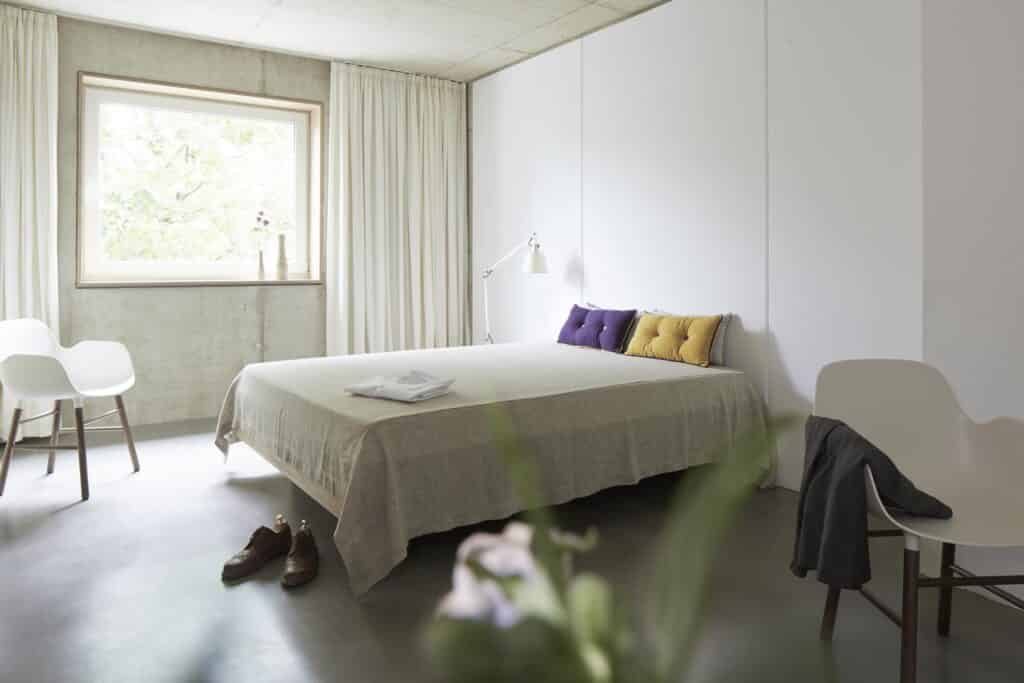
Based on the platform data, the only reference point is:
- Property count: 1
- Minimum price: €1,380 per month
This price is indicative — confirm with the operator before making any payment. At this level, the property is likely a fully furnished studio or one-bedroom apartment in a central or semi-central location, possibly with all-inclusive utilities (electricity, water, internet) and building amenities. Private student residence operators in Cologne charge between €700 and €1,500 per month, depending on location and unit size.
For students seeking lower-cost options, typical monthly rents in Cologne (outside platform listings) are:
- Shared flat (WG) room: €400–€700 (including utilities)
- One-bedroom private apartment: €700–€1,100 (cold rent)
- Student dormitory (Studentenwerk): €250–€500 (if you secure a place)
- Private residential hall: €800–€1,500 (as above)
Your budget and preferences should drive the search. The platform’s listing represents the high end of the market. For mid-range or budget options, you will need to consult local portals or the university’s housing office.
Mapping Universities to Areas
Although the platform data lists no universities (empty array), Cologne’s main institutions are well known and guide housing decisions:
- University of Cologne (Universität zu Köln): Main campus is located directly south of the city centre in the Lindenthal district, bordered by the Zülpicher Viertel. Students often choose Zülpicher, Südstadt, or Ehrenfeld for quick access. The student cafeteria (Mensa) and central lecture halls are a 5-minute walk from the tram stop “Universität”.
- TH Köln (Technische Hochschule Köln): Has two main campuses – one in Deutz (Rheinpark) and one in Gummersbach (outside Cologne). The Deutz campus is easily reachable from Deutz, Kalk, and the city centre via tram 1, 9, or the S-Bahn. The Gummersbach campus requires housing near Cologne’s main train station for a 40-minute regional train ride.
- Cologne University of Applied Sciences (other locations): Some departments are located in the north (Chorweiler) or Mülheim. Students assigned to those campuses should look at Nippes or Mülheim to minimise commute.
When comparing the platform’s single property to these areas, check the exact street address to see which campus it serves. Since the property is priced at €1,380, it is likely within a 15-minute tram ride to one of the central campuses.
Three Common Pitfalls for Student Renters in Cologne
1. Underestimating the moving-in process: Anmeldung and Nachmieter
In Germany, you must register your address (Anmeldung) at the local Bürgeramt within 14 days of moving in. Some landlords or subletters may not provide the required “Wohnungsgeberbestätigung” (landlord confirmation form) — without it you cannot register, and that can affect your bank account, student enrolment, and health insurance. Always confirm in writing that the operator will issue this document.
Another local custom: “Nachmieter suchen” (finding a replacement tenant). Many WG contracts require you to find a successor when you move out, or you remain liable for rent. Read your contract carefully — some private residences handle this, but others do not.
2. Overpaying for short-stay “student residences” that lack utilities transparency
The €1,380 listing likely includes all utilities, but not all operators break down the cost. In Germany, heating costs (Heizkosten) have risen sharply. A price that seems all-inclusive could still have a cap on heating consumption, and you may face a large bill at the year-end (Nebenkostenabrechnung). Ask the operator explicitly: What is the heating cost allowance per month? Are there any extra charges for electricity, internet, or waste disposal? Request a sample utility statement.
3. Ignoring the budget impact of the “Kaution” (security deposit)
The legal maximum deposit is three months’ cold rent. For a €1,380 apartment (all-inclusive), the cold rent portion may be around €900–€1,000, meaning a deposit of up to €3,000. Some operators demand the full three months upfront. If you have limited funds, ask whether a deposit guarantee (Mietkautionsversicherung) is accepted. Also note that the deposit must be held in a separate interest-bearing account; reputable operators follow this rule.
Booking Calendar and Timing
The student housing market in Cologne is most active from April to October for the winter semester intake (October start) and from May to November for the summer semester (April start). Based on general patterns:
- January–March: Availability for summer semester (April start) begins. The platform’s single listing may be available now.
- April–June: Peak for winter semester searches. Many private residences open booking for rooms starting October.
- July–August: Late bookings — the best offers are usually taken. You may find few remaining options or higher prices.
- September–October: Last-minute surge. Students who didn’t plan early scramble for rooms. The €1,380 listing (if still available) could be one of the few centrally located options.
- November–December: Low season for new arrivals. Good for exchanging rooms, but new stock is limited.
Recommendation: Start your search at least 4–5 months before your intended move-in date. For the October semester, begin looking in May. For an April move-in, start in January. Contact the operator of the platform-listed property early to understand booking deadlines, cancellation policies, and whether a waiting list exists.
Data date: March 2026 — prices and availability are indicative; confirm with the operator.
Frequently Asked Questions
1. Do I need to register my address in Cologne?
Yes. Every resident in Germany must complete the Bürgeramt registration (Residence Registration) within 14 days of moving in. The landlord or operator must provide a signed confirmation (Wohnungsgeberbestätigung). If the operator fails to issue this, you may face fines or delays with student enrolment and bank account opening.
2. What is the difference between a “private student residence” and a German university dormitory?
A private student residence (often managed by companies like The Fizz, YouniQ, or others) offers fully furnished apartments with flexible contracts but higher rents (€800–€1,500). A university dormitory (Studentenwerk) charges far less (€250–€500), but you may wait months or years for a room and have strict termination rules. The platform’s single listing at €1,380 is clearly a private residence.
3. How early should I book to secure the property shown on the platform?
Given that only one property is listed, competition is likely high. For the winter semester, we recommend contacting the operator at least 6 months in advance — i.e., around March or April for an October move-in. Confirm whether the operator holds a waiting list and whether a reservation fee is required.
4. Which area is best for a student who needs to reach both the University of Cologne and TH Köln’s Deutz campus?
Ehrenfeld offers a good balance: it has tram lines 3, 4, and 13 that connect to the University of Cologne (~12 minutes) and to Deutz (~20 minutes). Rents in Ehrenfeld are generally below the central areas, and it has plenty of shops, cinemas, and student hangouts. Alternatively, the Südstadt is close to the university and the main train station (for a quick trip to Deutz). Check your specific campus locations before deciding.
All prices and property references in this guide are based on the platform data (1 property, €1,380 minimum price) and are indicative — confirm directly with the operator or consult the university housing office for comprehensive options.
See also: listing details · browse more