Understanding Toronto’s Student Housing Landscape
Toronto is Canada’s largest city and home to the University of Toronto, ranked 29th globally. The platform lists 75 student properties across the city, with weekly rents starting from CAD 150 (indicative — confirm with the operator). This guide helps you compare neighbourhoods by commute, understand price bands, and avoid common mistakes when booking for the 2026 or 2027 academic year.
The University of Toronto’s main campus (St. George) sits in the downtown core, surrounded by residential neighbourhoods that cater to students. Other university campuses (Scarborough, Mississauga) are not covered by the given data, so this guide focuses on the St. George area. Commute logic combines walking, public transit (TTC subway, streetcar, bus), and cycling times.
Neighbourhoods by Commute to University of Toronto
When choosing a neighbourhood, consider your daily travel time to the St. George campus. The following list groups areas by typical commute duration and housing character.
Walking distance (10–15 minutes)
- The Annex — Directly north of campus. Predominantly Victorian houses converted into multi‑bedroom rentals. Many graduate students and upper‑year undergraduates live here. Convenience stores, cafes, and the university athletic centre are within a few blocks.
- Kensington Market / Chinatown — West of campus. A vibrant, walkable area with affordable restaurants and grocery stores. Most rentals are in older walk‑up apartments or shared houses. Walking time to lecture halls is about 10–12 minutes.
- Harbord Village — South of Bloor Street, east of Spadina. Quiet residential streets mixed with student housing. Close to libraries and the downtown Yonge–Bloor shopping corridor. Walking distance to campus is 10–15 minutes.
Short transit ride (15–25 minutes)
- Yorkville / Bay Street Corridor — East of campus. High‑rise apartments and purpose‑built student residences. The TTC subway’s Bay and St. George stations are a 5‑minute walk away. Total door‑to‑door commute: 15–20 minutes.
- Queen West / West Queen West — Southwest of campus. A trendy area with galleries, boutiques, and diverse dining. Streetcars on Queen Street connect to Spadina or Dundas, then a short walk to campus. Average commute: 20–25 minutes.
- Little Italy / College Street West — West of Bathurst. Popular among students for its restaurants and bars. The College streetcar takes about 15 minutes to Spadina station, plus a 5‑minute walk. Total: 20–25 minutes.
Longer transit ride (30–45 minutes)
- Parkdale / Liberty Village — Further west. More affordable rents for private rooms and shared apartments. Use the King or Queen streetcar to reach downtown, then transfer to the subway. Commute time: 30–40 minutes depending on traffic.
- The Danforth (East End) — East of the Don Valley. Rental options include older apartments and basement units. Take the subway from Pape or Chester station to St. George station (about 25 minutes). Total commute: 30–35 minutes.
- North York Centre — North of downtown. High‑rise towers near Sheppard–Yonge subway station. The subway ride to St. George is 35–40 minutes. Lower rent per square foot compared to downtown.
All commute times are approximate and vary by exact building location and time of day. Use TTC trip planner for individual addresses.
Price Bands and Property Types
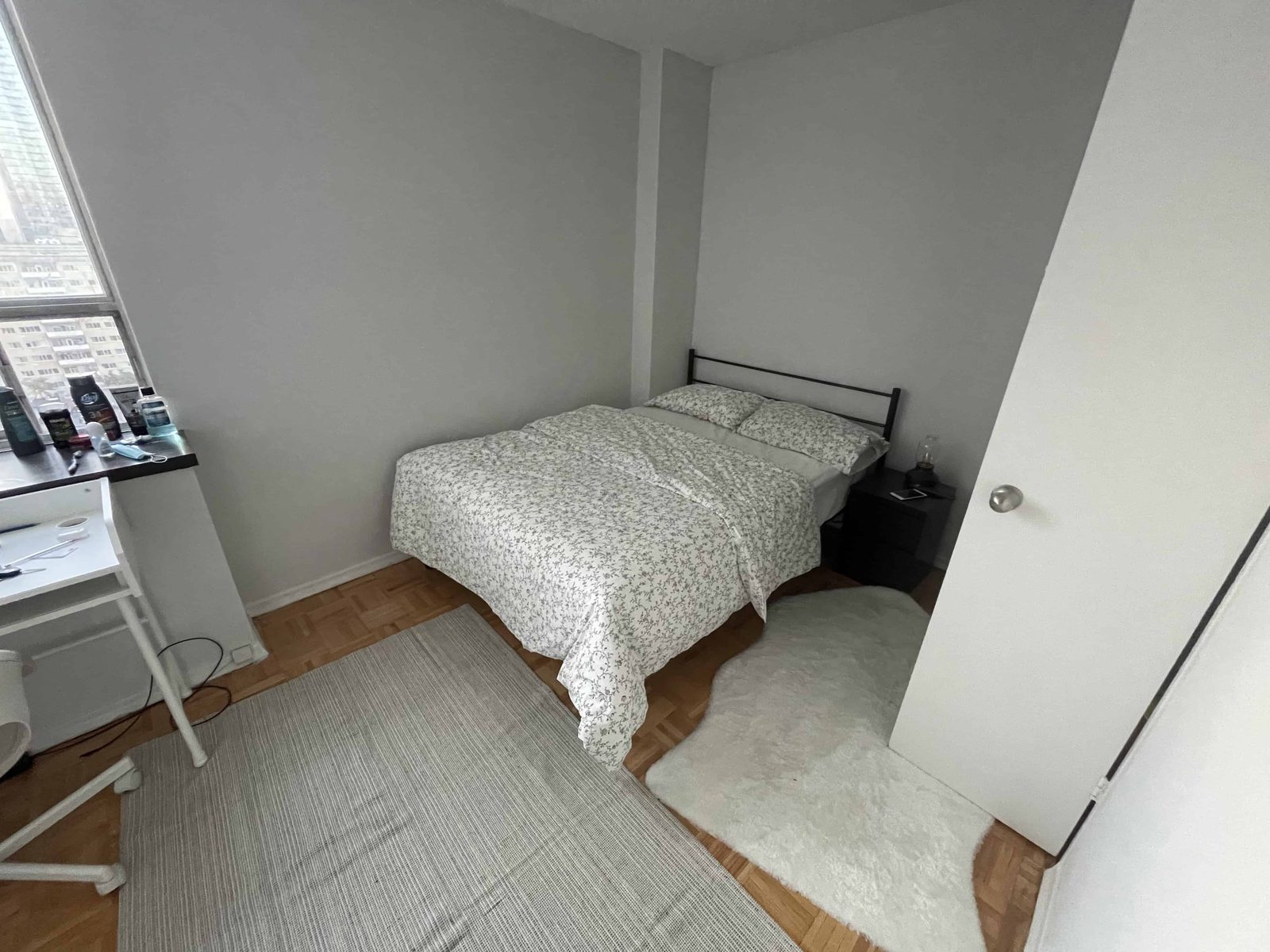
The platform lists 75 student properties in Toronto. Weekly rents start from CAD 150 (indicative — confirm with the operator). Because only a minimum price and total count are provided, the table below is replaced by a narrative description of typical price bands observed in the market for 2026 and 2027 bookings.
Indicative weekly price brackets (all prices subject to confirmation with the operator):
- CAD 150–250 — Shared rooms or basement units in older houses, often located in Parkdale, The Danforth, or North York. Utilities may not be included. Most contracts are 8–12 months.
- CAD 250–350 — Private rooms in shared apartments or houses in neighbourhoods like Little Italy, Queen West, or Harbord Village. Some purpose‑built student residences near campus fall in this range if they are older or have shared bathrooms.
- CAD 350–450 — Studio or one‑bedroom apartments in purpose‑built student housing within walking distance of campus (Yorkville, Annex). Usually includes internet and electricity. Furnished units are more common at this price.
- CAD 450+ — Premium studios or one‑bedroom units in new developments near St. George station or at the Bloor–Yonge intersection. Features may include gym, study lounges, and 24/7 security.
Most properties highlighted on the platform are designed for students, meaning they often include utilities, basic furnishings, and lease terms aligned with the academic calendar (September–April or September–August). Always confirm the exact inclusions with the operator before signing.
How the University of Toronto Maps to Neighbourhoods
The University of Toronto’s St. George campus is located within a 2‑kilometre radius of the city centre. The campus itself spans from Bloor Street (north) to College Street (south), and from Spadina Avenue (west) to Yonge Street (east). This geography directly influences which neighbourhoods are most convenient.
- Central core (Annex, Harbord Village, Kensington Market) — Most undergraduates live here because classes, libraries, and social spaces are within a 10‑minute walk. Rent is higher, but commuting costs (and time) are minimal.
- Immediate periphery (Yorkville, Queen West, Little Italy) — Reachable by a single transit line in under 20 minutes. These areas offer a balance of proximity and slightly lower rent than the central core. Many graduate students and fourth‑year students choose these.
- Outer areas (Parkdale, Danforth, North York) — Attract students who prioritise lower rent or who need specific amenities (larger living space, parking). Commute times are longer but predictable on the subway or streetcar network.
Because the University of Toronto operates multiple campuses, students enrolled at St. George should confirm that any property they consider is actually near that campus. Some purpose‑built student residences are marketed broadly for “Toronto” but may be located close to the Scarborough campus, which is a one‑hour drive away.
Three Common Pitfalls
1. Scams and fake listings
During peak booking season (March–August), fraudulent listings appear on online marketplaces. Scammers often ask for a deposit before you view the property, or claim the landlord is out of town.
How to avoid: Only book through verified platforms. Never wire money directly to an individual. If a deal seems too good (e.g., a CAD 150 per week private room in the Annex), verify the property’s existence via a virtual tour or a local contact.
2. Lease terms misaligned with the academic year
Many Toronto leases run from September 1 to August 31. However, some landlords offer 12‑month contracts starting in January or May, which may force you to pay rent during summer months when you are not in the city. Others require a full year’s commitment even if you graduate in April.
How to avoid: Read the lease duration carefully. Ask if a sublease is permitted. Many purpose‑built student residences offer 8‑month contracts (September–April). Confirm this with the operator in writing.
3. Hidden costs and utility exclusions
The advertised price (e.g., CAD 150 weekly) may exclude electricity, heating, water, or internet. In older buildings, heating costs can add CAD 50–100 per month in winter. Some landlords also charge a separate “maintenance fee” or “parking fee.”
How to avoid: Request a full breakdown of what is included. Get it as part of the lease. For the listed minimum price of CAD 150, ask specifically whether utilities are included and whether there are any move‑in fees (key deposit, cleaning fee).
Booking Calendar for 2026/2027
The booking cycle for Toronto student housing typically follows this timeline. Note that all references below are to 2026 and 2027 only.
- November 2025 – January 2026 — Early‑bird bookings open for September 2026 move‑in. Some purpose‑built student residences release inventory and offer early‑booking benefits (e.g., no security deposit). This is the best time for international students to secure a place near campus.
- February – April 2026 — High demand period. Most listings from local landlords appear. Properties in the Annex and Kensington Market often get booked within weeks. Prices remain stable but choice decreases.
- May – July 2026 — Late booking surge. Renovated units and cancellations may appear, but the selection becomes limited. Some properties may increase rent for late reservations. Students who are flexible about neighbourhoods can still find options at the CAD 150–250 range (indicative).
- July – August 2026 — Last‑minute rush. Only a handful of units remain in the 75‑property portfolio. Short‑term leases (August–April) are sometimes available for students arriving for the winter term.
- January 2027 move‑in — A smaller booking cycle opens around September 2026. Fewer properties are available (typically 15–20 of the 75). Start looking from October 2026.
Always confirm exact move‑in dates and lease lengths with the operator. Some residences require 12‑month commitments even for January starts.
Frequently Asked Questions
Q1: Is CAD 150 per week a realistic price for student housing in Toronto?
Yes, but it typically applies to a shared room or a basement unit in an outer neighbourhood like Parkdale or North York, and may not include utilities. This is an indicative starting price — confirm with the operator. Most central neighbourhoods cost more.
Q2: Can I book a property without visiting Toronto?
Yes, many operators offer virtual tours and online booking. The platform lists 75 properties; contact them directly to arrange a video tour. Ensure the operator provides a lease agreement that can be signed electronically.
Q3: What is the typical lease length for student housing?
Most properties offer 8‑month (September–April) or 12‑month (September–August) leases. Short‑term leases (6 months) are less common. Ask about early termination and subletting policies before signing.
Q4: Are the 75 properties only located near the University of Toronto St. George campus?
Not necessarily. While many are near downtown, some may be in other parts of Toronto. Use the property address and map tool on the platform to check the commute to your specific campus. The data does not specify distribution by neighbourhood.
Data based on platform listings as of January 2026. Prices are indicative — confirm with the operator before booking. All commute times are estimates and may vary.
See also: listing details · browse more